




Practical tips: How to manage kids’ daily gaming screen time effectively?

Understanding the Digital Playground
In today’s digital age, video games are an undeniable part of many children’s lives. While gaming can offer benefits like problem-solving skills, hand-eye coordination, and social interaction, excessive screen time can negatively impact academics, sleep, physical activity, and social development. The key for parents lies not in outright banning but in effective management and fostering a balanced lifestyle.

Establish Clear Rules and Boundaries
The first step to effective management is setting clear, consistent, and age-appropriate rules. Involve your children in the discussion so they understand the ‘why’ behind the ‘what’.
- Time Limits: Decide on a daily or weekly maximum for gaming. For younger children, this might be 30-60 minutes; for older kids, it could be 1-2 hours. Use timers or built-in device controls to help enforce this.
- No-Gaming Zones/Times: Designate certain times (e.g., during meals, homework, an hour before bedtime) and places (e.g., bedrooms overnight) as screen-free.
- Consequences & Rewards: Clearly outline what happens if rules are broken (e.g., reduced screen time the next day) and acknowledge when they are followed responsibly.

Utilize Parental Control Tools
Many gaming consoles, mobile devices, and internet routers offer robust parental control features. These can help you:
- Set specific time limits for gaming sessions.
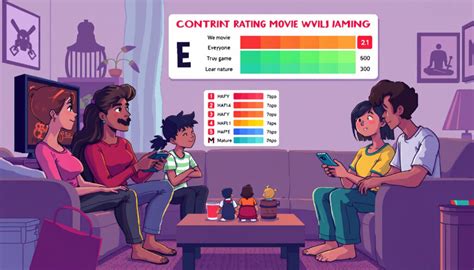
- Restrict access to certain games or content based on age ratings.
- Monitor usage patterns.
While these tools are helpful, remember they are supplementary to open communication and trust, not a replacement for them.
Encourage Alternative Activities
One of the most effective ways to reduce gaming time is to make other activities more appealing and accessible. Provide plenty of opportunities for:
- Outdoor Play: Sports, cycling, hiking, or simply playing in the park.
- Creative Hobbies: Drawing, painting, playing musical instruments, building models, or writing stories.
- Reading: Encourage a love for books and regular reading time.
- Family Time: Board games, cooking together, or family outings.
Presenting these as exciting alternatives rather than punishments for gaming can shift your child’s perspective.

Lead by Example and Communicate Openly
Children are keen observers. Be mindful of your own screen habits. If you’re constantly on your phone or watching TV, it sends mixed messages. Engage in conversations about gaming, showing interest in what they play, discussing online safety, and helping them understand the difference between virtual and real-world interactions. Regularly check in with them about how they’re feeling about their screen time.

Be Flexible and Consistent
While consistency is crucial for effective management, there’s also room for flexibility. Special occasions, holidays, or a challenging week at school might warrant a temporary relaxation of rules. Discuss these exceptions beforehand. As children grow and mature, their needs and interests change, so be prepared to revisit and adjust your screen time rules accordingly. The goal is to teach them self-regulation and healthy digital citizenship, not just to impose limits.

Conclusion
Managing kids’ daily gaming screen time effectively is an ongoing process that requires patience, clear communication, and a balanced approach. By setting boundaries, offering engaging alternatives, utilizing available tools, and leading by example, parents can guide their children towards a healthy relationship with technology, ensuring that gaming remains a source of fun and learning, rather than a point of contention.