



Actionable strategies to curb excessive gaming & promote diverse play?

Understanding the Appeal and the Challenge of Excessive Gaming
In today’s digital age, video games are an integral part of many children’s lives. While offering numerous benefits like problem-solving skills, social interaction, and creativity, the allure of gaming can sometimes lead to excessive screen time, impacting academics, physical health, and social development. For parents, striking a balance between allowing healthy engagement and preventing overindulgence is a common and often complex challenge.
The key lies not in outright banning games, which can be counterproductive, but in implementing thoughtful, actionable strategies that foster responsible digital citizenship and promote a rich tapestry of experiences beyond the screen.
Establishing Clear Boundaries and Expectations
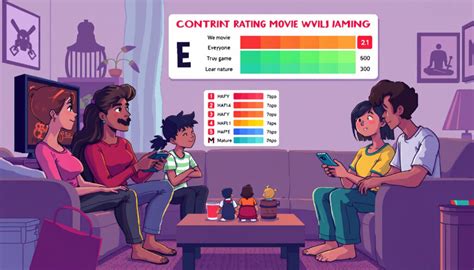
One of the most effective first steps is to set clear, consistent rules regarding gaming time and content. Define specific daily or weekly limits for gaming sessions, taking into account your child’s age and other commitments. Utilize parental control features on consoles, PCs, and mobile devices to manage access and monitor content ratings (e.g., ESRB, PEGI) to ensure games are age-appropriate.
Involve your children in the rule-making process where appropriate. When they have a say, they are more likely to internalize and adhere to the guidelines. Consistency is paramount; stick to the agreed-upon rules even when met with resistance, as this reinforces boundaries and teaches self-regulation.

Fostering a Balanced Digital Diet
Beyond setting time limits, it’s crucial to integrate gaming into a broader, balanced schedule. Ensure that gaming time doesn’t displace essential activities like homework, chores, family time, or sleep. Create a daily routine that allocates specific windows for gaming, ensuring these are followed by breaks or transitions to other activities.
Consider implementing ‘tech-free’ zones or times, such as during meals or an hour before bedtime. These practices help children understand that digital entertainment is one part of life, not the whole, and encourage engagement with the real world around them. Using visual timers can also help children manage their own screen time more effectively.
Promoting Diverse Interests and Offline Play
To reduce reliance on gaming, actively encourage and provide opportunities for a wide array of non-gaming activities. Introduce your children to new hobbies like drawing, playing a musical instrument, coding, or building models. Enroll them in sports teams, dance classes, scouting, or other extracurricular clubs that align with their interests.
Prioritize outdoor play and physical activity. Spending time outdoors has immense benefits for physical health, mental well-being, and cognitive development. Encourage reading by visiting the library together, reading aloud, or creating a cozy reading nook. Facilitate social interactions with friends and family that don’t involve screens, such as board games, imaginative play, or simply conversation.

Leading by Example and Engaging Actively
Children are keen observers, and parents’ own media habits significantly influence theirs. Model healthy screen time behavior by limiting your own excessive use of phones, tablets, or TVs, especially during family time. Demonstrate that there’s a rich world of activities beyond digital devices.
Furthermore, show interest in your child’s gaming world. Ask them about the games they play, who they play with, and what they enjoy about them. Occasionally joining them for a game can provide valuable insight into their digital environment and open lines of communication. This engagement can help you guide their choices and discuss game content, rather than simply dictating rules.

Open Communication and Empathy
Rather than just imposing rules, take the time to talk with your children about why these strategies are important. Explain the benefits of diverse play, physical activity, and social interaction, and discuss the potential downsides of excessive gaming, such as eye strain, sleep disruption, or neglecting responsibilities. Listen to their perspectives and acknowledge their enjoyment of games.
Approach these conversations with empathy and understanding, not judgment. If a child is struggling to adhere to limits, try to understand the underlying reasons. Are they seeking connection? Escapism? Mastery? Addressing these needs in healthy ways can be more effective than simply restricting access.

The Path to Digital Wellness and Thriving Development
Curbing excessive gaming and promoting diverse play is an ongoing process that requires patience, consistency, and a willingness to adapt. The goal isn’t to demonize video games but to cultivate a balanced environment where digital entertainment coexists harmoniously with a rich array of real-world experiences. By implementing these actionable strategies, parents can empower their children to develop healthy habits, explore varied interests, and thrive both on and offline.