


How to choose age-appropriate games & set healthy screen time limits?

In today’s digitally saturated world, navigating the landscape of video games and screen time can be one of the biggest challenges for modern parents. While digital entertainment offers educational benefits and opportunities for connection, excessive or inappropriate exposure can lead to negative consequences. The key lies in striking a healthy balance, guided by informed choices and clear boundaries. This article will equip you with practical strategies to select games that align with your child’s developmental stage and establish screen time limits that promote overall well-being.

Understanding Age-Appropriate Game Selection
Choosing the right games for your child is crucial for their mental and emotional development. It’s not just about violence; it’s also about complexity, themes, and emotional intensity. Here’s how to make informed decisions:
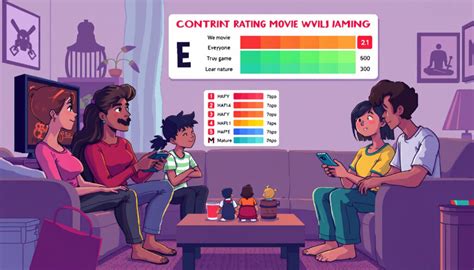
Utilize Rating Systems
- ESRB (Entertainment Software Rating Board) in North America: Look for ratings like E (Everyone), E10+ (Everyone 10+), T (Teen), and M (Mature). These ratings provide a quick guide to content appropriateness.
- PEGI (Pan European Game Information) in Europe: Similar to ESRB, PEGI ratings (3, 7, 12, 16, 18) indicate age suitability.
- Content Descriptors: Both systems also feature descriptors (e.g., “Fantasy Violence,” “Mild Language,” “Suggestive Themes”) that offer more detail about specific content elements. Always check these descriptors as they provide valuable context.

Research Beyond the Ratings
Ratings are a good starting point, but they don’t tell the whole story. Do your homework:
- Read Reviews: Consult reputable gaming review sites and parenting resources like Common Sense Media, which offers in-depth reviews from a parent’s perspective.
- Watch Gameplay Videos: YouTube and Twitch allow you to see actual gameplay before your child plays it. This is an excellent way to gauge mechanics, difficulty, and overall tone.
- Talk to Other Parents: Word-of-mouth recommendations can be highly valuable.
- Consider Your Child’s Maturity: Even if a game is rated for their age group, assess your child’s individual maturity level. Some children are more sensitive to certain themes than others.
Setting Healthy Screen Time Limits
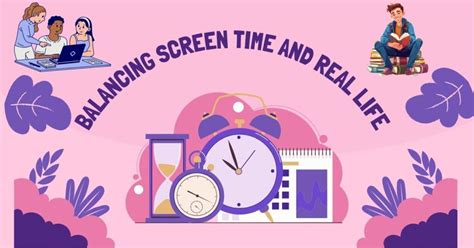
Once you’ve chosen appropriate games, establishing clear and consistent screen time limits is the next vital step. This isn’t about restriction for restriction’s sake, but about ensuring balance in your child’s life.

Understand Recommendations
The American Academy of Pediatrics (AAP) and other health organizations offer guidelines:
- For Children 18-24 Months: Limited screen time, ideally video-chatting with family.
- For Children 2-5 Years: Limit to 1 hour per day of high-quality programming, co-viewed with a parent.
- For Children 6 and Older: Consistent limits on time and types of media. Prioritize healthy habits like adequate sleep, physical activity, and family time.
Create a Family Media Plan
Involve your children in creating a plan. This fosters ownership and understanding. Your plan should address:
- Time Limits: How much screen time is allowed per day or week? Be specific (e.g., “30 minutes after homework on weekdays,” “1 hour on weekends”).
- Device-Free Zones/Times: Designate areas (e.g., bedrooms, dinner table) and times (e.g., an hour before bedtime) when screens are off-limits.
- Content Rules: What types of games/apps are allowed?
- Consequences: What happens if rules are broken?
Balance with Other Activities
Screen time should not displace essential activities. Actively encourage and facilitate:
- Physical Play: Time outdoors, sports, active games.
- Reading: Books, magazines, storytelling.
- Creative Pursuits: Art, music, building, imaginative play.
- Social Interaction: Face-to-face playdates, family conversations.
- Adequate Sleep: Ensure screens don’t interfere with bedtime routines.

Tips for Successful Implementation
- Be Consistent: Children thrive on routine. Stick to the limits you set.
- Lead by Example: Your own screen habits are powerful influencers. Model balanced media use.
- Use Parental Controls: Many devices and platforms offer built-in parental controls to manage access, time, and purchases.
- Communicate Openly: Talk to your children about why these rules exist. Explain the benefits of balanced screen use and the potential downsides of overuse.
- Flexibility and Review: As children grow, their needs and interests change. Periodically review and adjust your family media plan.

Mastering the digital world for your children involves a dual approach: careful selection of content and thoughtful management of consumption. By choosing age-appropriate games and setting healthy, consistent screen time limits, you empower your children to enjoy the benefits of technology while safeguarding their development and fostering a balanced lifestyle. Remember, the goal isn’t to eliminate screens, but to integrate them wisely into a rich and varied childhood.