


Practical tips to balance kids’ gaming screen time with other activities?

Navigating the Digital Playground: Finding Balance for Your Kids
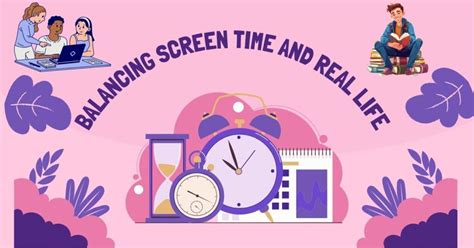
In today’s digital age, video games are an undeniable part of many children’s lives. While they offer entertainment and can even provide educational benefits, excessive gaming can lead to an imbalance, displacing crucial time for physical activity, creative play, homework, and social interaction. Striking the right balance isn’t about eliminating gaming entirely, but rather integrating it thoughtfully into a well-rounded routine. Here are practical tips to help parents achieve this harmony.
1. Establish Clear Rules and Schedules
Consistency is key. Work with your children to establish clear, age-appropriate rules regarding screen time. This includes not just gaming, but all digital entertainment. Define daily or weekly time limits and specific times when gaming is allowed (e.g., after homework, before dinner, on weekends). Using a visual schedule can be helpful for younger children to understand expectations.
- Daily Limits: Agree on a reasonable amount of time per day or week.
- Screen-Free Zones: Designate areas (like the dining table or bedrooms at night) as no-screen zones.
- Time Blocks: Allocate specific time slots for gaming rather than allowing continuous play.

2. Offer Engaging Alternatives
The best way to reduce gaming time is to provide appealing alternatives. Actively encourage and participate in a diverse range of activities that appeal to your child’s interests. This might require a little creativity and effort on your part to introduce new hobbies or re-engage with old ones.
- Outdoor Adventures: Plan trips to parks, bike rides, nature walks, or backyard games.
- Creative Pursuits: Encourage drawing, painting, building with LEGOs, crafts, or playing musical instruments.
- Reading Time: Make reading a fun and regular activity, perhaps with trips to the library.
- Board Games & Puzzles: Classic games can offer great family bonding and cognitive benefits.
3. Lead by Example and Involve Your Kids
Children are keen observers. Your own screen habits significantly influence theirs. Model healthy screen use by limiting your personal device time, especially when interacting with your children. Furthermore, involve your kids in the decision-making process for screen time rules. When they feel like they have a say, they are more likely to adhere to the limits.
- Family Tech-Free Time: Designate specific times for the whole family to be screen-free.
- Joint Rule-Setting: Discuss and agree upon rules together, explaining the ‘why’ behind them.
- Demonstrate Balance: Show them how you balance your work, hobbies, and digital life.

4. Utilize Parental Control Tools Wisely
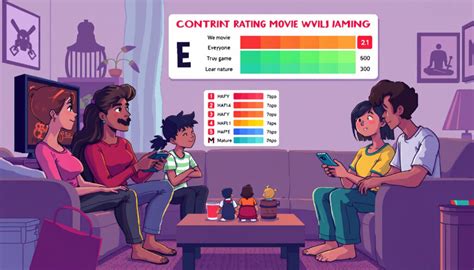
Many gaming consoles, devices, and operating systems offer robust parental control features. These tools can help enforce time limits, restrict access to certain content, and monitor activity. Use them as a supportive measure, not just a punitive one. Explain to your child why these controls are in place – for their safety and well-being.
- Time Limits: Set automatic cut-offs for gaming sessions.
- Content Filters: Block inappropriate games or websites.
- Activity Reports: Understand what games your child is playing and for how long.
5. Prioritize Sleep, Homework, and Chores
Make it clear that gaming is a privilege that comes after responsibilities. Ensure that homework is completed, chores are done, and bedtime routines are followed before any screen time is allowed. Gaming should never interfere with adequate sleep, as this can negatively impact mood, concentration, and overall health.
- Conditional Screen Time: Gaming can only start after essential tasks are completed.
- No Screens Before Bed: Implement a screen-free hour before bedtime to improve sleep quality.

6. Encourage Physical Activity and Hobbies
Physical activity is crucial for a child’s health and development. Encourage participation in sports, dancing, or simply playing outdoors. Help your child discover hobbies that don’t involve screens, fostering skills, creativity, and real-world connections. These activities build confidence and provide a sense of accomplishment that gaming alone cannot offer.

Conclusion
Balancing kids’ gaming screen time with other activities is an ongoing process that requires patience, communication, and adaptability. By setting clear boundaries, offering engaging alternatives, modeling healthy habits, and utilizing available tools, parents can guide their children towards a well-rounded lifestyle that embraces both digital enjoyment and the richness of the real world. The goal is not to demonize technology, but to teach responsible and balanced engagement.