




What small, cozy family games best transition to bigger experiences for new players?

Starting new players on their board game journey can be a delightful experience, but choosing the right stepping stones is crucial. Small, cozy family games are the perfect gateway, offering simple rules, engaging mechanics, and low-pressure environments. But which of these gentle introductions truly lay the groundwork for bigger, more complex gaming adventures?
The Power of Gateway Games
Gateway games excel at teaching fundamental board game concepts without overwhelming new players. They emphasize intuitive mechanics, quick playtime, and often feature cooperative or low-conflict interactions. The goal isn’t just to have fun (though that’s paramount!), but also to subtly introduce ideas like resource management, strategic planning, spatial reasoning, and tactical decision-making – all skills that will be invaluable as players venture into more intricate titles.

Ticket to Ride: Routing Towards Strategy
Perhaps one of the most celebrated gateway games, Ticket to Ride is a masterclass in elegant design. Players collect colored train car cards to claim railway routes connecting cities across a map. Its appeal lies in its straightforward “collect sets and claim” mechanic, combined with a subtle layer of strategic route planning and tactical blocking. New players quickly grasp the goal, but soon discover the depth in balancing personal objectives with preventing opponents from completing theirs. This game naturally prepares players for games involving set collection, area control, and strategic path optimization.
Carcassonne: Building Worlds, One Tile at a Time
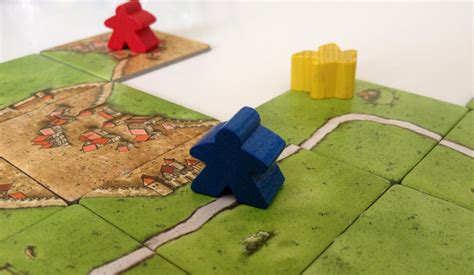
Carcassonne introduces players to the satisfying world of tile-laying games. Each turn, a player draws and places a single land tile, expanding a medieval landscape of cities, roads, monasteries, and fields. The deceptively simple act of placing a tile quickly evolves into strategic decisions about where to place meeples (followers) to score points, often leading to clever blocking or cooperative expansion. Carcassonne is excellent for developing spatial reasoning, understanding modular board design, and introducing the concept of area majority scoring, making the transition to games like Isle of Skye or even more complex worker placement games smoother.
Sushi Go!: A Taste of Drafting Delights
For a quicker, lighter, and incredibly charming experience, Sushi Go! is a fantastic choice. This card-drafting game has players quickly passing hands of sushi-themed cards, selecting one to keep and passing the rest. The aim is to collect the best combination of sushi dishes to score the most points. Sushi Go! perfectly encapsulates the core mechanic of card drafting – making a choice from a limited selection, anticipating what others might take, and understanding set collection bonuses. It’s an ideal primer for more involved drafting games like 7 Wonders or even engine-building games where players select components to build a scoring machine.
King of Tokyo: Rolling into Light Conflict
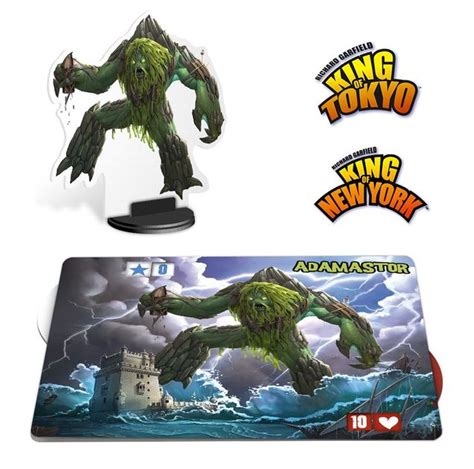
King of Tokyo offers a different flavor – a light-hearted, monster-themed dice-rolling game of “push your luck” and direct (but not mean) player conflict. Players take on the roles of giant monsters battling for control of Tokyo. The rules are easy to learn: roll dice, decide which ones to keep and which to reroll, then resolve effects to attack, heal, or gain energy. This game teaches risk assessment, strategic dice manipulation, and managing special powers. It’s a great stepping stone for players interested in games with dice combat, variable player powers, or even more involved area control games with unique character abilities.
Beyond the Basics: How These Games Pave the Way
The beauty of these cozy gateway games lies not just in their immediate fun, but in how they subtly equip players with a foundational understanding of common board game mechanics and strategic thinking. They teach the importance of reading rules, understanding victory conditions, and adapting to changing game states. More importantly, they foster a positive attitude towards learning new games, building confidence that the next, slightly more complex challenge is entirely surmountable.
From set collection in Ticket to Ride to spatial reasoning in Carcassonne, from card drafting in Sushi Go! to dice manipulation in King of Tokyo, these games build a robust mental toolkit. Players learn to think several steps ahead, weigh probabilities, and understand how individual actions contribute to an overarching strategy. This intellectual scaffolding makes the leap to medium-weight Eurogames like Catan, Splendor, or even Wingspan feel less daunting and far more exciting.
Conclusion: The Journey Awaits
Selecting the right small, cozy family game is the first, crucial step in introducing new players to the vast and rewarding world of modern board gaming. By choosing titles that are engaging, accessible, and strategically rich, you’re not just playing a game; you’re building a bridge to countless future adventures. So gather your family, pick a game from this list, and prepare to watch as new players confidently transition from cozy evenings to epic gaming sagas.