




How to choose age-appropriate games & manage screen time effectively?

In today’s digital age, navigating the world of video games and managing screen time effectively has become a paramount concern for parents. With an ever-expanding universe of games and devices, ensuring children engage with content that is both safe and beneficial while maintaining a healthy balance in their lives is a constant challenge. This guide offers practical strategies to help parents make informed choices about games and implement sensible screen time rules that support their children’s development and well-being.
Understanding Age-Appropriate Games
Choosing the right games for your child goes beyond just what looks fun; it’s about understanding content, developmental stages, and potential impacts. The first crucial step is familiarizing yourself with rating systems designed to help parents.

Leveraging Rating Systems
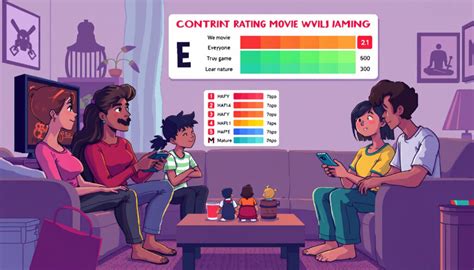
In many regions, systems like the Entertainment Software Rating Board (ESRB) in North America, PEGI in Europe, and CERO in Japan provide age and content ratings for video games. These ratings are invaluable tools, offering insights into recommended age ranges and describing specific content descriptors such as violence, language, and suggestive themes. Always check these ratings before allowing your child to play a new game.
Considering Developmental Stages
Beyond formal ratings, consider your child’s individual maturity, temperament, and developmental stage. A game rated E (Everyone) might still be too complex or overwhelming for a very young child. Look for games that foster creativity, problem-solving, collaboration, or learning, aligning with their current cognitive and emotional growth. Interactive story games, educational puzzles, and constructive sandbox games often provide enriching experiences.
What to Watch Out For
Be wary of games that promote excessive violence, gambling mechanics (like loot boxes), or overly competitive and addictive gameplay loops that might lead to frustration or unhealthy obsessions. Pay attention to online multiplayer games, which can expose children to unregulated communication with strangers. Research games online, read reviews, and even try them yourself if possible, to get a firsthand understanding.
Strategies for Effective Screen Time Management
Once you’ve chosen appropriate games, the next challenge is managing how much time your child spends on screens. Effective screen time management isn’t about eliminating digital entertainment entirely, but about finding a healthy balance that prioritizes other essential activities like schoolwork, physical play, social interaction, and sleep.

Setting Clear Boundaries and Rules
Establish clear, consistent rules for screen time with your children. Discuss these rules together, explaining the reasons behind them, which can foster greater understanding and cooperation. Define specific times of day for screen use, maximum daily or weekly limits, and which devices are allowed in which areas of the house. For example, “No screens during meals” or “No devices in bedrooms after bedtime.”
Utilizing Timers and Schedules
Visual timers or digital parental control apps can be incredibly useful tools. These can help children understand when their screen time is nearly up, reducing arguments and making transitions smoother. Creating a daily schedule that allocates specific slots for screen time alongside other activities like homework, outdoor play, and chores can help integrate digital use into a balanced routine.
The “Tech-Free Zones” Concept
Designate certain areas or times as tech-free zones. This might include the dinner table, bedrooms after a certain hour, or during family outings. These zones encourage face-to-face interaction, restful sleep, and engagement with the physical world, reinforcing the idea that screens are not constant companions.

Balancing Screen Time with Other Activities
Actively encourage and facilitate alternative activities. Provide opportunities for creative play, reading, sports, hobbies, and social interactions with friends and family. When children have engaging alternatives, they are less likely to gravitate solely towards screens. Lead by example by putting your own devices away and participating in these activities with them.
Fostering Healthy Digital Habits
Ultimately, the goal is to equip your children with the skills to navigate the digital world responsibly and independently. This involves ongoing communication, setting a good example, and evolving your approach as they grow.

Leading by Example
Children are keen observers. Your own relationship with screens significantly influences theirs. Model responsible device use by limiting your own recreational screen time, putting your phone away during family meals, and demonstrating digital etiquette. Show them that there’s a world beyond the screen.
Open Communication and Review
Regularly talk to your children about their online experiences and the games they play. Ask them what they enjoy, what challenges they face, and if anything makes them uncomfortable. This open dialogue builds trust and allows you to address issues proactively. Periodically review game choices and screen time rules as your child matures and their needs change.
Co-Playing and Shared Experiences
Engage with your children in their digital world. Playing games together or watching them play can provide valuable insights into the content they’re consuming and offer opportunities for shared enjoyment and bonding. It also allows you to model good sportsmanship and critical thinking about game content.

Conclusion
Choosing age-appropriate games and managing screen time effectively are ongoing parenting tasks that require patience, consistency, and adaptability. By staying informed about game content, establishing clear boundaries, encouraging a variety of activities, and fostering open communication, parents can guide their children towards a healthy and balanced relationship with technology, ensuring they reap its benefits without falling prey to its potential pitfalls. Remember, the goal is not to eliminate screens, but to integrate them thoughtfully into a fulfilling life.