




How to manage kids’ screen time for age-appropriate games?

In today’s digital age, navigating children’s screen time has become one of the most significant challenges for parents. While games offer entertainment and even educational benefits, ensuring kids engage with age-appropriate content and maintaining a healthy balance is crucial for their development. This guide offers practical strategies to help parents effectively manage their children’s screen time for games.
Understanding Age-Appropriate Games
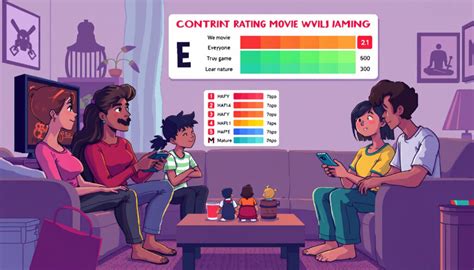
The first step in effective screen time management is understanding what ‘age-appropriate’ truly means. Games designed for a particular age group consider cognitive ability, developmental stages, and exposure to certain themes. Rely on official rating systems like ESRB (Entertainment Software Rating Board) in North America or PEGI (Pan European Game Information) in Europe. These ratings provide clear guidelines on content, language, violence, and other factors.
- ESRB Ratings: E (Everyone), E10+ (Everyone 10+), T (Teen), M (Mature).
- PEGI Ratings: 3, 7, 12, 16, 18.
Beyond official ratings, consider the game’s overall message, complexity, and whether it aligns with your family’s values. A game might be rated E, but if it promotes excessive competition over cooperation, it might not be the best fit for your child’s personality or developmental stage.

Setting Clear Boundaries and Rules
Consistency is key when it comes to screen time. Establish clear, consistent rules and communicate them effectively to your children. Involve them in the discussion where appropriate to foster a sense of ownership and understanding.
Daily Limits
Determine a reasonable daily or weekly screen time limit based on your child’s age and individual needs. For younger children, 30-60 minutes might be sufficient, while older children could have up to 1-2 hours. Remember that this includes all screen-based activities, not just games.
Screen-Free Zones and Times
Designate specific screen-free zones, such as bedrooms (especially at night) and dining areas. Establish screen-free times, like during meals, family outings, or an hour before bedtime to promote better sleep.
Consequences for Non-Compliance
Clearly define the consequences for not adhering to the rules. These should be fair, logical, and consistently applied, such as reduced screen time the following day or temporary restriction from gaming.

Active Engagement and Co-Playing
Don’t just monitor their screen time; engage with it. Playing games with your children offers numerous benefits:
- Understand Their World: It gives you insight into the games they enjoy, helping you better assess their appropriateness and content.
- Bonding Opportunity: Shared gaming can be a fun way to connect and spend quality time together.
- Teaching Moments: You can guide them on good sportsmanship, problem-solving, and critical thinking within the game context.
- Modeling Behavior: Show them how to manage screen time responsibly by setting your own good examples.

Utilizing Technology for Management
Many devices and platforms offer built-in parental control features that can be incredibly helpful:
- Console Controls: PlayStation, Xbox, Nintendo Switch all have robust parental settings to limit play time, restrict content, and manage purchases.
- Device Settings: Smartphones and tablets (iOS Screen Time, Android Digital Wellbeing) allow you to set app limits, schedule downtime, and block inappropriate content.
- Router Controls: Some home Wi-Fi routers allow parents to pause internet access for specific devices at certain times.
- Third-Party Apps: Numerous apps like Qustodio or Family Link offer comprehensive control over multiple devices.
Regularly review and adjust these settings as your children grow and their needs change.

Balancing Digital with Real-World Activities
Screen time should never replace essential real-world activities. Encourage a rich and varied daily routine that includes:
- Outdoor Play: Physical activity is vital for physical health and mental well-being.
- Reading: Foster a love for books and literacy.
- Creative Arts: Encourage drawing, painting, music, or other creative outlets.
- Social Interaction: Arrange playdates and family time to develop social skills.
- Chores and Responsibilities: Teach responsibility through age-appropriate tasks around the house.
Frame screen time as a privilege earned after completing other responsibilities, rather than an automatic right.

Conclusion
Managing kids’ screen time for age-appropriate games is an ongoing process that requires vigilance, flexibility, and open communication. By understanding age ratings, setting clear boundaries, engaging with your children’s digital world, utilizing technological tools, and promoting a balanced lifestyle, you can help your children develop healthy digital habits that will serve them well into adulthood. Remember, the goal isn’t to eliminate screens entirely, but to ensure they are used mindfully and beneficially.