




Managing in-game purchases: strategies for setting clear boundaries?

Navigating the World of In-Game Purchases with Your Child
In today’s digital age, video games are more than just entertainment; they’re often dynamic ecosystems filled with opportunities for in-game purchases. From cosmetic skins and character upgrades to loot boxes and power-ups, these microtransactions can quickly add up, posing a significant challenge for parents trying to manage household budgets and teach their children financial responsibility. Establishing clear boundaries is not just about saving money; it’s about fostering healthy digital habits and open communication.

Understanding the Appeal of In-Game Transactions
To effectively manage in-game purchases, it’s crucial for parents to understand why children are drawn to them. Many purchases offer immediate gratification, a sense of progression, or a way to stand out among peers. Games are designed to be engaging and sometimes subtly encourage spending, making it difficult for children to resist. Understanding this psychological aspect helps parents approach the conversation with empathy and a clearer strategy.
The Potential Pitfalls for Families
Unchecked in-game spending can lead to several problems. Financially, it can result in unexpected credit card bills and strain family budgets. Emotionally, it can foster impulsive buying habits, lead to arguments, and obscure the real value of money for children. There’s also the risk of children feeling pressured by peers to make purchases to keep up, or spending excessive time trying to earn in-game currency.

Strategies for Setting Clear Boundaries
Establishing a framework for in-game purchases requires a multi-faceted approach combining communication, technological controls, and financial education.
1. Open Communication and Family Rules
- Discuss expectations: Before any purchases are made, sit down with your child to discuss what is and isn’t allowed. Explain the family’s stance on spending real money in games.
- Explain value: Help your child understand that in-game items, while virtual, still cost real money. Discuss how that money could be used for other things.
- “No surprises” rule: Implement a rule that absolutely no purchases can be made without explicit parental permission for each transaction.
2. Utilize Parental Controls and Account Settings
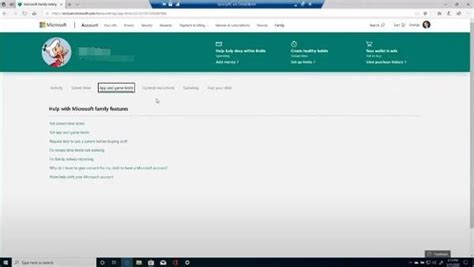
Most gaming platforms (consoles, PC launchers, mobile app stores) offer robust parental control features. These are your most powerful tools:
- Password protection: Ensure all purchase options require a password only you know. Never save payment information directly to the console or device if children have access.
- Spending limits: Set monthly or weekly spending limits on accounts.
- Disable in-app purchases: For younger children, consider disabling in-app purchases entirely on their devices.
3. Implement an Allowance or Earning System
This strategy connects in-game spending to real-world financial literacy:
- Fixed allowance: Give your child a set amount of money each week or month. If they want to make an in-game purchase, it must come from their allowance. This teaches budgeting and decision-making.
- Earned purchases: Allow children to earn money for chores or good grades, which they can then use for in-game purchases. This links effort to reward.
- Gift cards: Purchase gaming-specific gift cards (e.g., Xbox, PlayStation, Steam, Google Play, Apple App Store) as gifts or as a way to provide pre-approved funds. Once the gift card is used up, there’s no more spending.

4. Educate on Marketing Tactics and Impulse Buying
Help your child become a savvy consumer. Discuss how games use countdown timers, limited-time offers, and loot box mechanics to encourage impulse buying. Explain the difference between needs and wants, and the importance of thinking before spending.
5. Regularly Review and Adjust
As your child grows and their gaming habits evolve, so should your strategies. Periodically review the rules and parental control settings. Have ongoing conversations about their experiences with in-game purchases and whether the current boundaries are working for everyone.

Conclusion
Managing in-game purchases is an ongoing process that requires active parental involvement, clear communication, and consistent application of rules. By combining technological safeguards with robust financial education and open dialogue, parents can empower their children to enjoy gaming responsibly, understand the value of money, and make informed choices in the digital world and beyond.