




How to balance kids’ screen time with engaging, age-appropriate family games?

Navigating the Digital Age: Finding Balance with Family Play
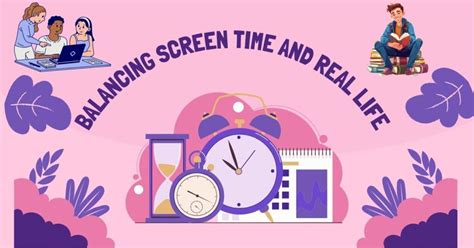
In an era dominated by screens, many parents grapple with the challenge of managing their children’s digital consumption. While screens offer educational content and entertainment, excessive use can impact development, attention spans, and family connection. The good news is that balancing screen time with enriching, age-appropriate family games isn’t just possible; it’s a powerful way to foster stronger bonds, cognitive skills, and healthy habits.
The Power of Play: Beyond the Screen
Traditional games, whether board games, card games, or active outdoor pursuits, offer a wealth of benefits that screens often can’t replicate. They encourage face-to-face interaction, problem-solving, critical thinking, patience, and emotional regulation. More importantly, they create shared experiences and lasting memories that strengthen family relationships.

Strategies for a Balanced Play Diet
1. Establish Clear Boundaries and Routines
- Screen Time Limits: Work with your children to set realistic daily or weekly screen time limits. Use timers and stick to them consistently.
- Screen-Free Zones/Times: Designate certain times (e.g., mealtimes, an hour before bed) or areas (e.g., bedrooms, dining table) as screen-free.
- Schedule Game Time: Integrate dedicated ‘family game time’ into your weekly routine, just like any other important appointment.
2. Lead by Example
Children are keen observers. If you’re constantly glued to your phone or tablet, it sends a mixed message. Model healthy screen habits by putting your devices away during family time and actively participating in games.

Choosing Age-Appropriate Games for Maximum Engagement
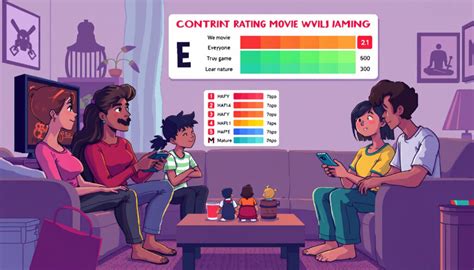
The key to success lies in selecting games that match your child’s developmental stage and interests. A game that’s too simple will bore them, while one that’s too complex will frustrate them.
Toddlers & Preschoolers (Ages 2-5): Simple Fun & Sensory Exploration
- Games: Candyland, Chutes and Ladders, matching games, simple puzzles, ‘memory’ games with large cards.
- Benefits: Teaches color recognition, counting, turn-taking, and basic rule-following.
- Activities: Sensory bins, building blocks, play-doh, simple hide-and-seek.
Early Elementary (Ages 6-8): Strategy & Cooperation
- Games: Zingo!, Ticket to Ride: First Journey, Uno, Jenga, Guess Who?, cooperative games like Hoot Owl Hoot!
- Benefits: Develops early strategy, number and letter recognition, reading skills, and social interaction.
- Activities: Charades, Pictionary, simple card games (Go Fish).

Older Kids & Pre-Teens (Ages 9-12): Deeper Strategy & Social Interaction
- Games: Catan Junior, Ticket to Ride, Sushi Go!, Exploding Kittens, Rummikub, classic Chess or Checkers.
- Benefits: Enhances critical thinking, negotiation skills, long-term planning, and strategic foresight.
- Activities: Escape room style board games, more complex outdoor sports, Dungeons & Dragons (or similar RPGs).

Making Game Time a Cherished Experience
- Involve Kids in Selection: Let your children help choose the games. When they have a say, they’re more invested.
- Focus on Fun, Not Just Winning: Emphasize participation, good sportsmanship, and the joy of playing together, rather than solely on who wins.
- Create an Atmosphere: Add snacks, fun music (if appropriate), or a special ‘game night’ theme to make it an event.
- Be Flexible: Some nights, a quick card game might be all you have time for. That’s perfectly fine! The consistency of connection is what matters.
- Introduce New Games Gradually: Don’t overwhelm them with too many new rules at once.

Conclusion: Cultivating Connection and Growth
Balancing screen time with engaging family games is an ongoing process, but a rewarding one. By proactively setting boundaries, choosing appropriate activities, and making game time enjoyable, you’re not just reducing screen dependency; you’re actively building a foundation for essential life skills, creating cherished family traditions, and nurturing genuine connection in an increasingly digital world. So, unplug, gather your loved ones, and let the games begin!