




Practical advice for parents to ensure kids’ gaming is balanced with school & play?

Navigating the Digital Playground: Balancing Gaming with Real-Life Responsibilities
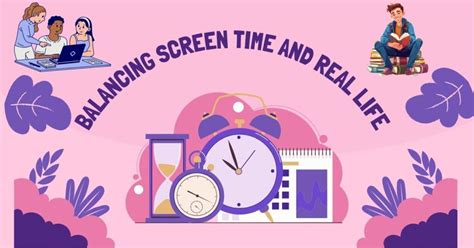
In today’s digital age, video games are an undeniable part of many children’s lives. While they offer entertainment, problem-solving opportunities, and social connections, ensuring they don’t overshadow schoolwork, physical activity, and family time can be a significant challenge for parents. The key isn’t elimination, but rather fostering a healthy balance. Here’s some practical advice to help you guide your children toward responsible gaming habits.
Set Clear Boundaries and Expectations Early On
One of the most effective strategies is to establish clear rules and expectations from the outset. This includes setting specific time limits for gaming, designating game-free zones (like bedrooms during study hours), and establishing a schedule that prioritizes homework and chores. Involve your children in creating these rules; they are more likely to adhere to guidelines they’ve helped formulate. Consistency is crucial – stick to the agreed-upon limits, even when faced with protests.
Consider using timers or parental control settings on devices to help enforce these limits. Discuss the ‘why’ behind the rules, explaining how balance helps them succeed in school, develop other interests, and stay healthy. This open communication fosters understanding rather than resentment.

Prioritize Schoolwork and Responsibilities Above Gaming
A non-negotiable rule in many households should be: schoolwork and essential chores come first. Gaming should be treated as a privilege, not a right, earned after responsibilities are met. This teaches valuable lessons about priorities and time management. You might also use gaming time as a reward for completing homework, excelling in a subject, or contributing positively to household tasks.
Help your child create a daily or weekly schedule that allocates specific times for studying, playing, and gaming. This visual aid can empower them to manage their time independently and see how all aspects of their lives fit together.
Encourage and Facilitate Offline Play and Activities
Balanced development requires more than just screen time. Actively encourage and facilitate engagement in a variety of offline activities. This could include sports, art classes, music lessons, reading, outdoor play, or simply unstructured creative play. Physical activity is vital for health and cognitive development, while creative pursuits foster imagination and problem-solving skills different from those honed in games.
Schedule family outings to parks, museums, or local events. Plan family game nights (board games, not video games) or designate time for reading together. The more engaging and appealing the offline alternatives are, the less dependent your child will be on their digital devices for entertainment.

Communicate Openly and Engage with Their Gaming World
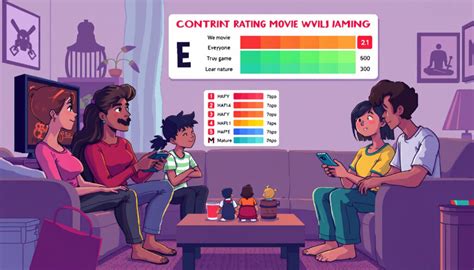
Instead of viewing gaming as a mysterious activity to be controlled, try to understand it. Ask your children about the games they play, who they play with, and what they enjoy about them. Even better, play a game with them occasionally. This shows you’re interested in their world, opens lines of communication, and allows you to observe content and interactions firsthand.
This engagement can also provide opportunities to discuss concepts like good sportsmanship, online safety, and how to handle frustrations or conflicts that might arise in multi-player games. Being connected to their gaming life makes it easier to guide them effectively.
Lead by Example with Your Own Screen Habits
Children are excellent imitators. If they see you constantly on your phone, tablet, or in front of the TV, it sends a mixed message when you try to limit their screen time. Model the balanced behavior you want to see. Set aside your own devices during family meals, conversations, and designated family time. Show them the joy of reading a book, engaging in a hobby, or simply being present without digital distractions.

Utilize Educational and Beneficial Games
Not all screen time is created equal. Some games offer genuine educational value, improve cognitive skills, or foster creativity. Do some research to identify games that can actually benefit your child’s development. Discussing the difference between purely entertainment-focused games and those with learning potential can help your child make more informed choices.
This approach isn’t about replacing all fun games with educational ones, but about incorporating a variety and recognizing that ‘screen time’ itself isn’t a monolithic block of negative activity.

Monitor and Adapt as Needed
Parenting is an ongoing journey, and what works for one child or at one age might not work for another, or as they grow. Regularly check in with your child about their gaming habits and their overall well-being. Look for signs of imbalance, such as declining grades, irritability when not gaming, withdrawal from other activities, or sleep problems. Be prepared to adjust rules and strategies as circumstances change.
Flexibility, combined with consistent underlying principles, is key to navigating the evolving digital landscape of childhood.

Conclusion
Achieving a healthy balance between gaming, school, and play is a continuous effort, but it’s a vital one for your child’s holistic development. By setting clear boundaries, prioritizing responsibilities, encouraging offline activities, communicating openly, leading by example, and adapting your approach, you can help your children enjoy the benefits of gaming without letting it consume their lives. The goal is to raise well-rounded individuals who can thrive both online and off.