



How do I spot predatory gacha mechanics & play F2P games safely?

The Allure and Peril of Free-to-Play Games
Free-to-play (F2P) games have revolutionized the gaming landscape, offering accessible entertainment to millions. From mobile hits to PC giants, these titles invite players in without an upfront cost, relying instead on in-game purchases for revenue. A significant portion of this revenue often comes from ‘gacha’ mechanics – randomized draws that promise rare and powerful items, characters, or cosmetics.
While gacha can be an exciting part of the game for many, it also harbors potential for exploitation. Predatory gacha mechanics can lead to excessive spending, player burnout, and a feeling of being manipulated. Understanding these tactics is the first step towards a safer and more enjoyable F2P experience.

Unmasking Predatory Gacha Mechanics
Predatory mechanics are designed to encourage continuous spending, often by leveraging psychological triggers. Here’s what to look out for:
Understanding Gacha: A Digital Slot Machine
At its core, gacha is a loot box system where players spend premium currency (often bought with real money) for a chance to win a desirable item from a randomized pool. The odds of winning the rarest items are typically very low, mimicking casino slot machines or Japanese capsule toy vending machines (from which the term ‘gacha’ originates).
Key Red Flags of Predatory Design
- Low Odds, High Value Targets: Extremely rare drops (e.g., <1%) for essential or highly desired items, forcing many pulls.
- Fear of Missing Out (FOMO): Limited-time banners, exclusive characters, or seasonal events that create urgency to spend before an item is gone forever.
- Sunk Cost Fallacy: Encouraging continued spending because a player has already invested money or time, making them feel like they’re ‘too deep to quit.’
- Pay-to-Win (P2W): Gating significant power advantages or progression behind gacha pulls, making it difficult or impossible for F2P players to compete.
- Manipulative UI/UX: Deceptive packaging of bundles, hard-to-find odds disclosures, or ‘near-miss’ animations that simulate closeness to a win.
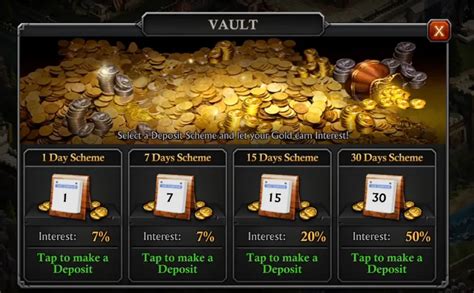
- Artificial Scarcity & Resource Gates: Making crucial in-game resources or currencies incredibly difficult to obtain without spending money, thus funneling players towards purchases.
- Whale Hunting: The game’s economy is designed to be unsustainable for average players, relying instead on a small percentage of ‘whales’ (high-spenders) for the bulk of its revenue.
- Progressive Pity/Spark Systems: While a ‘pity’ system (guaranteed rare item after a set number of pulls) can be player-friendly, predatory versions might reset after any rare pull (not just the desired one) or require an astronomical number of pulls to activate.
How to Spot Manipulative Tactics in F2P Games
Beyond knowing the mechanics, recognizing their practical application is vital. Here are observable signs:
- Constant ‘Sales’ and ‘Limited-Time Offers’: If everything is always on sale, nothing truly is. These are often designed to create a false sense of value and urgency.
- Aggressive Pop-ups and Notifications: Frequent interruptions pushing purchases, especially after failing a level or running low on resources.
- Unclear or Hidden Odds: If the gacha odds are not easily accessible or are presented in a confusing way, be wary. Transparency is key to fairness.
- Unbalanced Gameplay: If the game feels overtly difficult or slow for non-spenders, requiring massive grinding or specific gacha pulls to progress, it’s a red flag.
- Community Sentiment: Check reviews, forums, and social media. If a significant portion of the player base complains about monetization, it’s a strong indicator.
- Character Power Creep: Continuously releasing new characters that render older ones obsolete, compelling players to pull for the latest ‘must-have.’

Playing Smart: Strategies for a Safe F2P Experience
Enjoying F2P games without falling into predatory traps is entirely possible with mindful play.
Set Clear Boundaries and Budgets
Before you even start, decide how much money (if any) you are willing to spend and stick to it. Better yet, consider being completely F2P. Also, set time limits to avoid excessive grinding or compulsive play.
Research and Stay Informed
Before investing significant time or money, look up reviews, watch gameplay, and read community discussions. See if the game is known for fair monetization or if it has a reputation for being exploitative. Understand the gacha odds before you pull.
Prioritize Fun Over Perfection
Play the game for the core experience, the story, the gameplay mechanics, or the social interaction, not just for obtaining the rarest items. Many F2P games can be enjoyed without ever spending a dime, provided you’re not aiming for the absolute top of the leaderboards.
Leverage Free Resources Wisely
Take advantage of daily logins, event rewards, free pulls, and in-game achievements. These are designed to keep you engaged and can often provide enough resources to progress comfortably.
Avoid the Chase
If you don’t get the desired item after a few pulls, don’t keep spending. The odds haven’t changed. Walk away, save your currency, or accept that not every item is necessary. Don’t fall prey to the sunk cost fallacy.
Conclusion: Empowering Your F2P Journey
F2P and gacha games can be incredibly rewarding and fun. However, an informed player is an empowered player. By understanding the common predatory mechanics and adopting smart playing habits, you can navigate the complex world of F2P monetization safely, protect your wallet, and truly enjoy the entertainment these games offer without succumbing to manipulative design.
Your gaming experience should be about enjoyment, not about feeling pressured to spend. Stay vigilant, play smart, and happy gaming!