




Parents Corner: Top tips for toddler tantrums?
Understanding and Taming the Toddler Tantrum
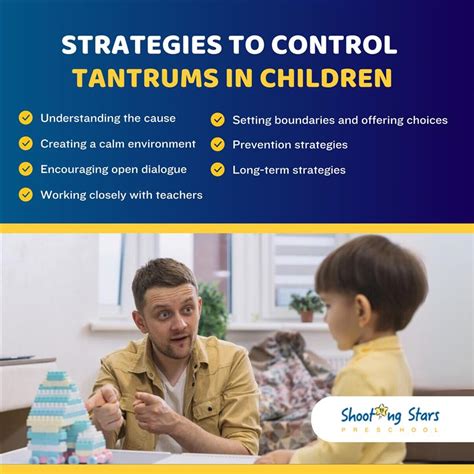
Ah, the toddler tantrum. It’s a rite of passage for parents and children alike, a dramatic display of frustration, anger, or despair that can erupt anywhere, anytime. While exhausting, tantrums are a normal part of a toddler’s development. Understanding the ‘why’ behind these emotional explosions is the first step towards managing them effectively.
Why Do Toddlers Have Tantrums?
Toddlers are experiencing a rapid period of growth, but their brains are still developing, especially the parts responsible for emotional regulation and language. They often lack the words to express their big feelings, leading to an outburst. Common triggers include:
- Frustration: Inability to do something, or not being understood.
- Fatigue or Hunger: Over-tired or under-fueled children have shorter fuses.
- Overstimulation: Too much noise, too many people, or too many choices.
- Desire for Independence: Wanting to do things themselves but lacking the skills.
- Seeking Attention: Sometimes, a tantrum is a cry for your focus.

Prevention is Key: Setting the Stage for Calm
While you can’t prevent every tantrum, many can be avoided or minimized with proactive strategies.
1. Stick to Routines
Predictability helps toddlers feel secure. Consistent sleep schedules, meal times, and daily activities can reduce fatigue and anxiety, common tantrum triggers.
2. Offer Limited Choices
Give your child a sense of control. Instead of ‘What do you want to wear?’, try ‘Do you want the blue shirt or the red one?’ This empowers them without overwhelming them.
3. Communicate and Prepare
Tell your toddler what’s coming next. ‘In five minutes, we’re going to clean up’ gives them time to adjust. Use simple, clear language.
4. Ensure Basic Needs Are Met
A fed and well-rested toddler is a happier toddler. Carry snacks and plan outings around nap times.

During the Storm: Navigating a Tantrum in Progress
When a tantrum hits, your response is crucial. The goal isn’t to ‘win’ but to help your child regain control and feel understood.
1. Stay Calm
It’s challenging, but your calm demeanor can help de-escalate the situation. Take a deep breath. Yelling only adds fuel to the fire.
2. Acknowledge Feelings
Validate their emotions without giving in to unreasonable demands. ‘I see you’re very angry right now because you can’t have another cookie. It’s okay to be angry.’ This helps them feel heard.
3. Redirect or Distract
For younger toddlers, a change of scenery or a new toy can sometimes work wonders. ‘Look! A bird outside the window!’ or ‘Let’s read this book instead.’
4. Ignore if Safe (for attention-seeking tantrums)
If the tantrum is clearly for attention and not due to distress, and your child is safe, sometimes ignoring the behavior can be effective. Remain nearby but don’t engage. Once they calm, you can reconnect.
5. Create a Safe Space/Time-In
Sometimes, a child needs to ‘time-out’ from the situation, or you can offer a ‘time-in’ – a quiet cuddle in a designated calm spot where you can help them regulate their emotions.

After the Tantrum: Reconnection & Learning
The post-tantrum period is an important opportunity for connection and teaching.
1. Reconnect and Cuddle
Once the storm passes, offer comfort. A hug and reassurance can repair any emotional distance created by the tantrum.
2. Talk About It (Briefly)
When your child is calm, you can briefly discuss what happened, using simple words. ‘You were very sad earlier because you couldn’t have the toy. Next time, you can ask for a turn.’ Focus on feelings and alternative behaviors.
3. Praise Positive Behavior
Catch them being good! When they use their words, share, or handle a disappointment calmly, make sure to acknowledge and praise it. This reinforces the behaviors you want to see more of.

When to Seek Help
Most toddler tantrums are normal. However, if tantrums are extremely frequent, last a very long time, involve self-harm or harm to others, or seem to hinder your child’s development, it might be beneficial to consult your pediatrician or a child development specialist.

Conclusion
Toddler tantrums are a challenging but temporary phase. With a combination of understanding, prevention, calm responses, and consistent nurturing, you can help your child navigate their big emotions and develop crucial self-regulation skills. Remember, you’re not alone, and every tantrum is an opportunity for both you and your child to learn and grow.