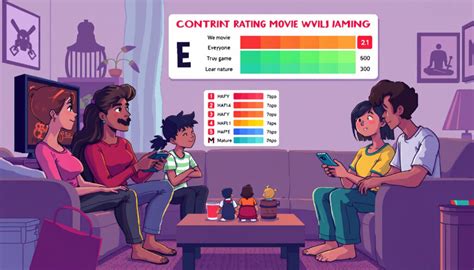

What are key tips for choosing age-appropriate games and managing screen time?

Navigating the Digital Playground: A Parent’s Guide
In today’s hyper-connected world, video games and digital entertainment are integral parts of many children’s lives. While these platforms offer educational opportunities and foster creativity, parents often grapple with the dual challenge of selecting games that are truly age-appropriate and effectively managing screen time. Striking the right balance is crucial for a child’s holistic development, ensuring they reap the benefits of technology without succumbing to its potential downsides.

Understanding Age-Appropriateness: More Than Just a Number
Age-appropriateness goes beyond a simple number on a game box; it encompasses content, complexity, and developmental suitability. Games designed for older children might feature intense themes, complex narratives, or advanced problem-solving skills that can overwhelm or even disturb younger minds. Conversely, games too simplistic for an older child might lead to disengagement.
Key considerations include:
- Content: Evaluate themes like violence, language, sexual content, substance abuse, and discriminatory depictions. Look for ratings from organizations like ESRB (Entertainment Software Rating Board) in North America or PEGI (Pan European Game Information) in Europe.
- Cognitive Demands: Ensure the game’s puzzles, strategies, and learning curves match your child’s cognitive abilities to prevent frustration or boredom.
- Emotional Impact: Consider how a game’s themes or intensity might affect your child’s emotional state, especially if they are sensitive or prone to anxiety.

Tips for Choosing the Right Games
Becoming an informed digital curator for your child requires a proactive approach. Here’s how to make wise choices:
- Do Your Research: Before purchasing or allowing a download, check game ratings thoroughly. Read reviews from other parents and reputable gaming sites. Watch gameplay videos on platforms like YouTube to get a sense of the actual content and mechanics.
- Play Together: The best way to understand a game is to experience it. Play alongside your child, especially when they first start a new game. This allows you to assess its suitability firsthand and provides an opportunity for shared bonding.
- Consider Your Child’s Personality: While a game might be rated appropriate for their age, consider your child’s individual maturity, sensitivities, and interests. A game with mild fantasy violence might be fine for one 8-year-old but too intense for another.
- Balance Genres: Encourage a variety of games, including educational titles, creative builders, puzzles, and active games that promote physical movement. This broadens their skills and prevents over-specialization.

Mastering Screen Time Management
Once appropriate games are chosen, managing when and how much they play becomes the next critical step. This isn’t about outright banning, but about creating healthy boundaries.
- Establish Clear Rules: Work with your child to set clear, consistent rules about screen time limits (e.g., “30 minutes after homework,” “no screens an hour before bed”). Post these rules visibly.
- Use Parental Controls: Leverage the parental control features available on gaming consoles, computers, tablets, and smartphones. These tools can help enforce time limits, block inappropriate content, and manage purchases.
- Create “Screen-Free” Zones and Times: Designate certain areas (e.g., dining table, bedrooms at night) or times (e.g., family meals, homework time) as screen-free.
- Offer Engaging Alternatives: Children are less likely to gravitate towards screens if compelling alternatives are readily available. Encourage outdoor play, reading, board games, creative arts, and social interactions with friends.
- Model Healthy Habits: Children learn by example. Be mindful of your own screen habits. Put away your phone during family time and demonstrate the importance of balancing digital and real-world activities.

Fostering a Balanced Digital Diet
The ultimate goal is to integrate technology thoughtfully into your child’s life, not to eliminate it. This means fostering a “balanced digital diet” where screens are one component among many healthy activities. Ensure your child gets adequate sleep, physical activity, and face-to-face social interaction. Regular family conversations about their digital experiences can also help them develop critical thinking skills and navigate online challenges safely. Remember, active parental involvement is key to turning potential digital pitfalls into pathways for growth and learning.