

How to balance gaming screen time with other essential family activities?
Navigating the Digital Playground: Finding Harmony Between Games and Family
In today’s digitally saturated world, video games have become an undeniable part of many children’s lives. While they offer entertainment, social connection, and even educational benefits, the challenge for parents often lies in striking a healthy balance between screen time and the equally crucial family activities that foster connection, learning, and physical development. It’s a tightrope walk that requires thoughtful strategies, clear communication, and consistent effort.

Understanding the Challenge
The allure of gaming is powerful. Immersive worlds, competitive play, and social interaction can make it difficult for children to disengage. This can lead to conflicts, neglected chores, and reduced participation in other activities. Parents often worry about the impact on school performance, sleep patterns, social skills, and the erosion of precious family time. Recognizing these potential pitfalls is the first step towards creating a more balanced environment.
Strategies for a Balanced Household
1. Establish Clear Rules and Schedules
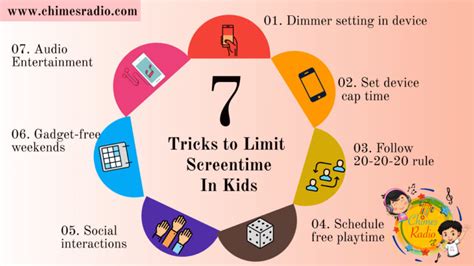
Consistency is key. Work with your children to set clear, reasonable limits for gaming time. This could involve daily allowances, weekly totals, or specific times of day when gaming is permitted (e.g., after homework, before dinner). Use timers, and stick to the agreement. A visual schedule can be incredibly helpful for younger children.

2. Designate Screen-Free Zones and Times
Identify specific times or areas in your home where screens are not allowed. This could be the dinner table, during family meals, in bedrooms after a certain hour, or during dedicated family outings. This creates natural breaks and encourages engagement with the present moment and each other.
3. Prioritize Engaging Family Activities
The best way to reduce screen time isn’t just to take screens away, but to replace them with compelling alternatives. Plan activities that genuinely excite your children and promote family bonding:
- Outdoor Adventures: Hiking, biking, playing at the park, gardening.
- Creative Play: Board games, puzzles, art projects, building with LEGOs.
- Shared Hobbies: Cooking together, reading aloud, playing music.
- Community Engagement: Volunteering, visiting museums, attending local events.

4. Foster Open Communication and Involve Your Child
Don’t just dictate rules; explain the ‘why’ behind them. Discuss the benefits of balance, the importance of family time, and the potential downsides of excessive screen use. Involve your children in creating the family’s screen time plan. When they feel heard and have a say, they are more likely to adhere to the rules.

5. Lead by Example
Children are keen observers. If you’re constantly on your phone or glued to a screen, it’s harder to enforce screen limits for them. Model the behavior you want to see. Put your own devices away during family meals, conversations, and playtime. Show them the joy of being present and engaged without a screen.
6. Utilize Parental Controls and Tech Tools
Many gaming consoles, devices, and internet providers offer robust parental control features. These can help enforce time limits, block inappropriate content, and monitor usage. Use these tools as an aid, but remember they are a supplement to, not a replacement for, open communication and active parenting.
The Goal: Connection, Not Control
Ultimately, balancing gaming screen time isn’t about eliminating technology; it’s about fostering a healthy relationship with it. It’s about ensuring that screens enhance life rather than detract from essential family connections, physical activity, and personal growth. By being proactive, consistent, and empathetic, parents can guide their children towards a balanced digital life, rich with both virtual adventures and real-world experiences.