




How can cozy family games keep diverse ages engaged without skill gaps causing frustration?

Gathering the family for a cozy game night is a cherished tradition, but it often comes with a common challenge: how do you keep everyone, from toddlers to grandparents, engaged and happy when skill levels vary wildly? The dread of a skilled teenager dominating a younger sibling or an adult feeling bored by a simple game can quickly turn a fun evening into frustration. The secret lies in selecting and adapting games that naturally bridge these skill gaps, fostering an environment where shared experience trumps competitive victory.
The Challenge of Diverse Ages and Skills
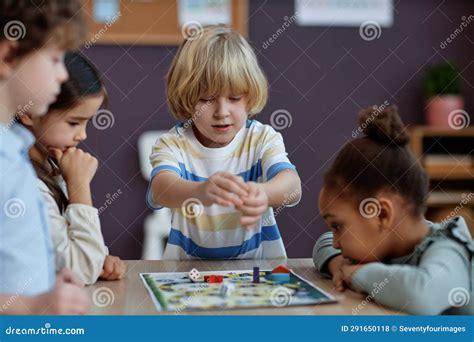
Families are wonderfully diverse, and so are their gaming abilities. A 5-year-old’s understanding of rules and strategy is vastly different from a 15-year-old’s, let alone an experienced adult. Traditional competitive games often highlight these disparities, leading to scenarios where younger players feel discouraged, older players feel unchallenged, or the entire group experiences friction rather than fun. The goal is to find games and approaches that celebrate participation and connection over individual triumphs.

Strategies for Game Selection
Choosing the right game is the first and most crucial step in ensuring inclusivity and minimizing frustration. Look for games designed with built-in mechanisms that level the playing field.
Cooperative Games: Playing Together, Winning Together
Cooperative games are perhaps the most effective solution. In these games, all players work as a team towards a common goal against the game itself. There’s no single winner, only a collective victory or defeat. This fosters communication, shared problem-solving, and mutual support, as experienced players can naturally guide and mentor younger ones without making them feel inadequate. Everyone contributes to the best of their ability, and success feels like a shared achievement.
Luck-Based or Simple Mechanics: Leveling the Playing Field
Games heavily reliant on luck, like many dice-rolling or card-drawing games, inherently reduce the impact of strategic skill. While they might not satisfy hardcore strategists, their simplicity and unpredictable outcomes can be highly engaging for all ages. Similarly, games with very straightforward rules that don’t require complex planning allow younger players to grasp concepts quickly and feel like active participants.
Games with Variable Difficulty or Asymmetrical Roles
Some games ingeniously incorporate mechanisms that allow for different levels of engagement or provide unique roles. Variable difficulty can mean optional advanced rules for older players, or ‘catch-up’ mechanics that help those falling behind. Asymmetrical roles might assign different tasks or powers to players, making each contribution unique and valuable, regardless of age or skill.
Cultivating a Positive Play Environment
Beyond game choice, the atmosphere you create during game night is paramount. A positive mindset can transform even a slightly competitive game into a joyous family experience.
Prioritizing Fun Over Winning
Emphasize that the goal isn’t necessarily to win, but to spend quality time together, laugh, and connect. Frame mistakes as learning opportunities and celebrate clever moves, regardless of who makes them. Discourage gloating and excessive competitiveness, especially from older players.
Encouraging Collaboration and Mentorship
Encourage older family members to gently guide younger ones, explaining rules, offering suggestions, and helping them make decisions. This mentorship transforms potential skill gaps into opportunities for teaching and bonding. Even simple acts like reading cards aloud or helping count spaces can make a huge difference in a child’s engagement.

Adapting Games for Inclusivity
Sometimes, your favorite games just need a little tweak to become more inclusive. Don’t be afraid to experiment with house rules.
House Rules and Modifications
Simple house rules can dramatically alter a game’s dynamics. For instance, in a game requiring reading, an adult might be the designated ‘reader’ for younger players. In a scoring game, you might give younger players a head start or bonus points for participation. You can simplify complex rules, remove certain components, or even introduce a ‘group veto’ on a particularly challenging decision.
Team Play and Handicapping
Team play is an excellent way to balance skills. Pair an experienced player with a novice, or create multi-generational teams to pool knowledge and strategy. Handicapping, like giving a less experienced player extra resources or a special ability, can also level the playing field without altering the core game too much. The key is to make these adjustments feel natural and fun, not patronizing.

Popular Game Types to Consider
Beyond specific titles, certain categories of games lend themselves well to multi-generational play. Look for drawing games (like Pictionary), storytelling games (like Rory’s Story Cubes), simple dexterity games (like Jenga), light card games (like Uno or Sushi Go!), or ‘legacy’ style games that evolve over time, allowing everyone to contribute to an ongoing narrative.
Conclusion: The Joy of Shared Experience
Ultimately, the most successful cozy family games are not about who wins or loses, but about the joy of spending time together. By thoughtfully choosing games with inclusive mechanics, fostering a supportive environment, and being open to adapting rules, you can transform potential skill gaps into opportunities for connection, learning, and laughter. These shared moments, free from frustration, build lasting memories and strengthen family bonds, proving that a little intentionality can lead to a lot of cozy fun for everyone.