




Best age-appropriate games that boost skills and family fun?

The Power of Play: Boosting Skills and Family Bonds Through Games
In a world increasingly dominated by screens, the simple act of playing a game together remains one of the most powerful ways to foster connection, develop essential skills, and create lasting family memories. But with countless options available, how do you choose games that are both engaging and genuinely beneficial for your child’s age and stage of development? The key lies in selecting age-appropriate games that naturally blend fun with learning, helping children grow while strengthening family ties.
From fine motor skills and early literacy to strategic thinking and social negotiation, the right game can be a potent educational tool. Beyond academics, games teach invaluable life lessons like patience, sportsmanship, problem-solving, and communication. This guide will walk you through age-appropriate game selections designed to maximize skill development and ensure enjoyable family time for every age group.

Early Childhood (Ages 2-5): Building Foundations Through Play
For toddlers and preschoolers, games are all about sensory exploration, basic concept recognition, and developing fundamental motor skills. Look for games that are simple, colorful, and highly interactive, often involving manipulation of physical objects.
- Puzzles & Stacking Games: Develop fine motor skills, hand-eye coordination, and spatial reasoning.
- Matching & Memory Games: Enhance cognitive recognition, memory, and concentration (e.g., ‘Picture Bingo’ or basic ‘Memory’ games with large cards).
- Simple Board Games: Introduce turn-taking, counting, and color recognition (e.g., ‘Candyland,’ ‘Chutes and Ladders’).
- Imaginative Play Kits: Boost creativity, language development, and social-emotional skills through role-playing.
At this age, the focus should be on the process of playing, not winning. Encourage exploration and celebrate participation.
Elementary School (Ages 6-10): Strategic Thinking and Social Skills Flourish
As children enter elementary school, their cognitive abilities expand, allowing for more complex rules and basic strategic thinking. Games at this stage can help reinforce academic skills like reading and math, alongside crucial social-emotional development.
- Strategic Board Games: Introduce basic planning and decision-making (e.g., ‘Ticket to Ride: First Journey,’ ‘Sushi Go!,’ ‘Carcassonne: Junior’).
- Card Games: Improve numeracy, pattern recognition, and quick thinking (e.g., ‘Uno,’ ‘Crazy Eights,’ ‘Set’).
- Cooperative Games: Foster teamwork, communication, and problem-solving as players work together towards a common goal (e.g., ‘Outfoxed!’, ‘Forbidden Island’).
- Word Games: Enhance vocabulary, spelling, and language skills (e.g., ‘Boggle Junior,’ ‘Scrabble Junior’).

Pre-Teens (Ages 11-13): Developing Deeper Strategy and Logic
Pre-teens are ready for games that challenge their analytical skills, encourage long-term planning, and introduce more nuanced social interaction. This age group often enjoys games with multiple pathways to victory and opportunities for negotiation.
- Advanced Strategy Board Games: Engage in resource management, area control, and complex decision-making (e.g., ‘Catan,’ ‘Ticket to Ride,’ ‘Exploding Kittens’).
- Deduction & Mystery Games: Sharpen critical thinking and logical reasoning skills (e.g., ‘Clue,’ ‘CodeNames’).
- Role-Playing Games (RPGs) Lite: Introduce storytelling, imaginative play, and collaborative problem-solving in a structured environment (e.g., ‘Kids on Bikes,’ simpler D&D editions).
These games are excellent for developing patience, understanding consequences, and adapting strategies mid-game.
Teenagers (Ages 14+): Mastering Complex Thinking and Social Dynamics
Teenagers can handle sophisticated rule sets, intricate strategies, and games that involve significant social deduction and negotiation. Games at this level can prepare them for real-world critical thinking and complex problem-solving.
- Intense Strategy Board Games: Offer deep strategic layers, economic management, and competitive interaction (e.g., ‘Terraforming Mars,’ ‘Wingspan,’ ‘Gloomhaven’).
- Social Deduction Games: Hone observational skills, bluffing, and understanding social cues (e.g., ‘The Resistance: Avalon,’ ‘Werewolf,’ ‘Secret Hitler’).
- Escape Room Games (at home): Promote collaborative problem-solving, logical deduction, and teamwork under pressure.
- Story-Driven RPGs: Encourage creative writing, complex decision-making, and immersive storytelling (e.g., ‘Dungeons & Dragons,’ ‘Call of Cthulhu’).

Tips for Maximizing Fun and Skill Development
Choosing the right game is just the first step. Here are some tips to ensure a positive and enriching gaming experience:
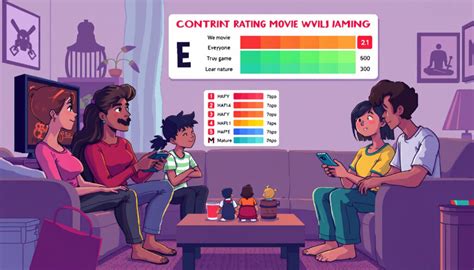
- Follow Age Recommendations (but be flexible): Age guides are a good starting point, but consider your child’s individual maturity and interests.
- Read Reviews & Watch Playthroughs: Get a sense of the game’s complexity and theme before investing.
- Prioritize Fun Over Winning: Emphasize good sportsmanship, learning from mistakes, and the joy of shared experience.
- Be Present & Engaged: Put away distractions and actively participate. Your enthusiasm is contagious.
- Vary Game Types: A mix of strategic, cooperative, and creative games offers a broader range of skill development.
- Set a Positive Tone: Even when competition is involved, keep the atmosphere light and encouraging.

Conclusion: Play Your Way to Stronger Skills and Family Bonds
From the simplest stacking blocks to the most intricate strategy games, age-appropriate play is a cornerstone of child development and family well-being. By thoughtfully selecting games that align with your child’s age and interests, you’re not just providing entertainment; you’re investing in their cognitive, social, and emotional growth. So, gather around the table, roll the dice, shuffle the cards, and embark on a journey of discovery, laughter, and invaluable shared experiences that will strengthen your family for years to come.