

Best easy-to-learn cozy family games for mixed ages (5-12) to prevent boredom & conflict?

Transforming Family Time with Cozy Games
Finding activities that genuinely engage a diverse age range, from a lively five-year-old to a pre-teen on the cusp of adolescence, can feel like a quest for the holy grail. The goal? To prevent the dreaded “I’m bored” chorus and, more importantly, sidestep potential conflicts that can arise when interests clash. Enter the world of easy-to-learn, cozy family games – a magical realm where laughter triumphs over squabbles, and shared experiences build lasting memories.
These aren’t just games; they’re tools for connection, cooperation, and gentle competition. They offer a safe space for everyone to participate, learn, and succeed, making family game night an eagerly anticipated event rather than a dreaded obligation.

What Makes a Game Perfect for Mixed Ages (5-12)?
For a game to truly shine across a 5-12 age bracket, it needs to hit a few key notes. Firstly, simplicity is paramount. Rules should be straightforward enough for a five-year-old to grasp quickly, but with enough strategic depth to keep a twelve-year-old interested. Quick setup and playtime are also essential to maintain attention spans and allow for multiple rounds or different games.
Secondly, “cozy” implies a low-conflict, high-interaction environment. Games that encourage cooperation, light strategy, and shared discovery often work best. Direct player elimination or overly aggressive mechanics can lead to frustration for younger players, while older children might find highly repetitive, luck-based games tedious. The sweet spot lies in games that blend luck with simple decision-making, ensuring everyone feels like they have a chance.
Our Top Picks for Easy-to-Learn Cozy Family Games
1. Ticket to Ride: First Journey (Ages 6+)
This simplified version of the classic Ticket to Ride series is perfect for younger players, yet still engaging for older siblings. Players collect train cars and claim railway routes to connect cities on a map. The rules are streamlined, turns are quick, and the goal is clear: complete your tickets. It introduces basic strategy and geography without overwhelming complexity.

2. Sushi Go! (Ages 8+)
A fast-paced card drafting game where players try to grab the best combination of sushi dishes as they whiz by. Sushi Go! is incredibly easy to learn, typically taking just one round to understand. It teaches basic set collection, probability, and quick decision-making in a fun, adorable package. Short rounds mean quick wins and less time for anyone to get frustrated.
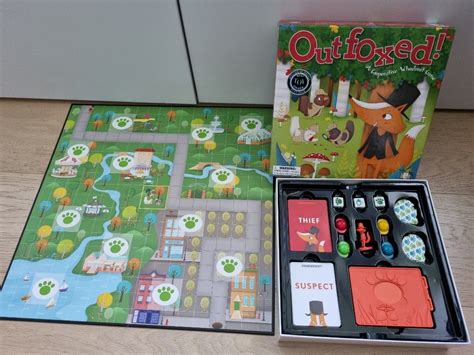
3. Outfoxed! (Ages 7+)
A brilliant cooperative deduction game where players work together to figure out which fox stole the pie. Using clue cards and a special decoder, children learn logical reasoning and teamwork. There’s no competitive element against each other, only against the sneaky fox, making it a fantastic game for fostering collaboration and problem-solving skills across ages.
4. King Domino (Ages 8+)
King Domino is a beautiful and elegant tile-laying game where players expand their kingdom by connecting domino-like tiles. The goal is to create the most valuable kingdom by matching terrain types and crowns. It’s simple enough for younger players to grasp the matching concept, but offers satisfying spatial reasoning and planning challenges for older kids and adults.
5. Hoot Owl Hoot! (Ages 4+)
Designed for even younger children but still fun for mixed groups, Hoot Owl Hoot! is another excellent cooperative game. Players work together to get all the owls back to their nest before the sun rises. It involves color matching and strategic movement, teaching teamwork and basic planning without any direct competition. It’s a truly cozy experience for all involved.

Tips for a Smooth Family Game Night
- Set the Stage: Create a cozy atmosphere with snacks, comfortable seating, and minimal distractions.
- Focus on Fun, Not Winning: Remind everyone that the goal is to enjoy time together, not just to win. Celebrate good moves and effort.
- Rotate Game Choices: Let different family members pick the game occasionally, ensuring everyone feels their preferences are valued.
- Be Patient: Especially with younger players, be ready to offer gentle guidance and explanations without taking over their turn.
- Know When to Stop: It’s better to end a game night on a high note, even if it’s earlier than planned, than to push through till frustration sets in.

Conclusion: Building Bonds, One Game at a Time
Investing in a few well-chosen, easy-to-learn cozy family games can profoundly impact your family dynamics. They offer a structured way to spend quality time together, foster valuable skills like cooperation and critical thinking, and most importantly, fill your home with laughter and shared joy. Say goodbye to boredom and conflict, and hello to unforgettable family game nights!