




How to simplify complex game mechanics for absolute beginners effectively?
The Importance of Simplified Onboarding
For absolute beginners, a game’s initial experience can be make-or-break. Overwhelming them with a deluge of complex mechanics, intricate systems, and obscure terminology is a surefire way to drive them away. The art of effectively simplifying complex game mechanics isn’t just about reducing information; it’s about structuring the learning process in an intuitive, engaging, and progressive manner. This guide will explore proven strategies to help new players grasp even the most daunting aspects of your game with ease.
Start with the Core Concept
Before diving into the intricate details, identify the single most fundamental mechanic or goal of your game. What’s the absolute minimum a player needs to understand to take their first meaningful action? Focus on teaching this core concept first, isolating it from all other secondary systems. This provides a solid foundation upon which all other knowledge can be built, preventing cognitive overload and establishing a sense of immediate accomplishment.

Use Analogies and Real-World Comparisons
One of the most powerful tools for simplifying complexity is relating abstract game mechanics to familiar real-world concepts. Is your crafting system similar to cooking? Does your combat system mirror a game of rock-paper-scissors with added layers? By drawing parallels, you tap into existing player knowledge, making the learning curve feel less steep and more intuitive. This cognitive shortcut allows beginners to quickly grasp the ‘why’ and ‘how’ without getting lost in game-specific jargon.
Gradual Revelation (Layering)
Resist the urge to dump all information at once. Instead, adopt a strategy of gradual revelation, also known as ‘layering.’ Introduce mechanics one by one, allowing players to practice and master each concept before the next one is presented. Think of it like building blocks: start with the base, add the next layer only when the previous one is stable. This might mean disabling certain UI elements or abilities initially, only unlocking them as the player progresses through guided tutorials or early game stages.
Visual Aids and Interactive Tutorials
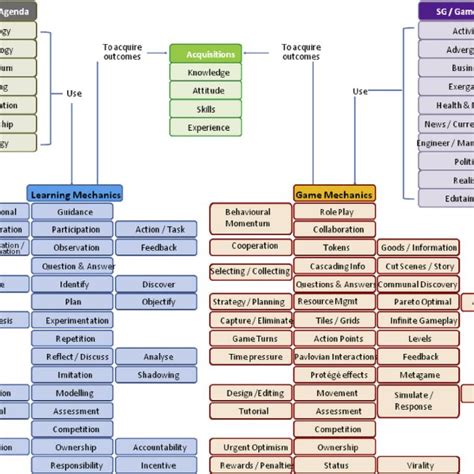
Show, don’t just tell. Visual learning is incredibly effective for beginners. Utilize clear, concise visual aids such as highlighted UI elements, animated arrows pointing to relevant information, and short, focused video clips if applicable. Beyond visuals, interactive tutorials where players immediately apply newly learned mechanics in a safe, guided environment are crucial. Contextual prompts that appear as players encounter new situations can also be highly effective, offering assistance exactly when it’s needed.
Break Down Complex Systems into Sub-Components
If a mechanic is inherently complex, such as a deep crafting system or a multifaceted combat engine, break it down into its smallest, most digestible sub-components. Explain each part individually before showing how they interact as a whole. For instance, instead of explaining ‘crafting’ all at once, explain ‘gathering resources,’ then ‘using a workbench,’ then ‘combining ingredients,’ and finally ‘understanding item stats.’ This modular approach makes the overall system less intimidating.

Offer Practice and Feedback
Learning is solidified through practice. Provide dedicated tutorial zones, sandboxes, or early-game scenarios where players can experiment with new mechanics without fear of failure or significant penalty. Crucially, offer immediate, clear, and constructive feedback on their actions. Did they succeed? Great! Did they make a mistake? Explain why and guide them towards the correct approach. This iterative learning loop builds confidence and reinforces understanding.
Emphasize “Why” Over Just “How”
While explaining ‘how’ to perform an action is important, understanding ‘why’ it’s beneficial or necessary is often more motivating for a beginner. Instead of just stating “Press X to use a health potion,” explain “Press X to use a health potion and survive this tough fight.” Connecting the mechanic to a tangible benefit or strategic advantage makes it more meaningful and encourages players to master it.
Conclusion
Simplifying complex game mechanics for absolute beginners is not about dumbing down your game; it’s about crafting an intelligent and empathetic onboarding experience. By focusing on core concepts, using relatable analogies, gradually introducing complexity, leveraging visual and interactive tools, breaking down systems, and providing ample practice with feedback, you can transform potential frustration into genuine enjoyment. A well-designed beginner experience ensures that more players stick around to discover the depth and richness your game truly offers.