




Best ways to balance kids’ digital game screen time with physical play?

Navigating the Digital-Physical Divide: A Parent’s Guide
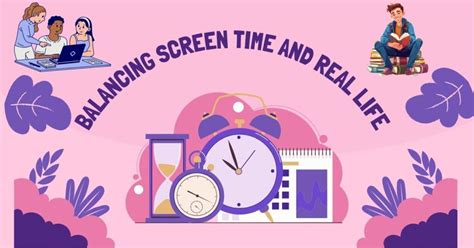
In today’s digitally saturated world, striking a healthy balance between children’s digital game screen time and essential physical play has become a paramount challenge for parents. While digital games offer engaging entertainment and can even foster certain cognitive skills, an over-reliance on screens can detract from crucial physical development, social interaction, and overall well-being. This guide offers practical strategies to help parents create a harmonious environment where both worlds coexist beneficially.

Understanding the Importance of Physical Play
Physical activity is not just about burning energy; it’s fundamental to a child’s holistic development. It strengthens muscles and bones, improves cardiovascular health, enhances coordination, and boosts cognitive function. Furthermore, outdoor play exposes children to natural light, which is vital for sleep regulation and mood, and offers opportunities for imaginative play and problem-solving in a real-world context. Conversely, excessive screen time has been linked to issues like obesity, sleep disturbances, attention problems, and reduced social skills.
Setting Clear Boundaries and Expectations
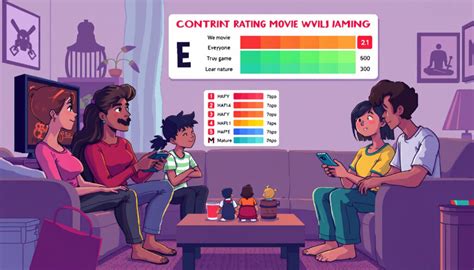
The first step in achieving balance is establishing clear, consistent rules for screen time. This might involve setting daily limits (e.g., 1-2 hours for older children, less for younger ones, per pediatric guidelines), designating ‘screen-free’ times (e.g., during meals, an hour before bedtime), or creating ‘screen-free’ zones in the house. Involve your children in creating these rules, explaining the ‘why’ behind them, so they feel a sense of ownership and are more likely to comply.

Making Physical Play Irresistible
Simply cutting down on screen time isn’t enough; you need to offer compelling alternatives. Make physical activity appealing and accessible. This could mean:
- Structured Activities: Enroll them in sports, dance, martial arts, or swimming lessons.
- Outdoor Adventures: Plan family hikes, bike rides, trips to the park, or even just backyard play.
- Creative Movement: Encourage fort-building, obstacle courses, or imaginative role-playing games that require movement.
- Leading by Example: Be an active role model. When children see their parents engaging in physical activity, they are more likely to participate themselves.

Implementing ‘Screen Time Earned’ Systems
Consider a system where screen time is earned through physical activity or other responsibilities. For example, for every 30 minutes of outdoor play, a child earns 15 minutes of screen time. This method teaches valuable lessons about effort, reward, and self-regulation. Visual charts or token systems can be very effective in tracking progress and reinforcing positive behavior.
Creating Tech-Free Zones and Times
Designate specific periods or areas in your home as completely tech-free. Meal times are an excellent opportunity for family conversation without digital distractions. Similarly, bedrooms can be kept screen-free to promote better sleep hygiene. Encourage reading, board games, or creative play during these times.

Monitoring, Adapting, and Open Communication
Balancing screen time and physical play is an ongoing process that requires flexibility. Regularly monitor your child’s screen use and physical activity levels. Be prepared to adapt rules as your children grow and their needs change. Most importantly, maintain open lines of communication. Talk to your kids about their digital experiences and listen to their perspectives. Understanding their interests can help you find physical activities that genuinely excite them.

Conclusion
Achieving a healthy balance between digital engagement and physical activity is crucial for raising well-rounded, resilient children. By setting clear boundaries, offering engaging alternatives, leading by example, and fostering open communication, parents can navigate the complexities of the digital age and ensure their children benefit from both the virtual and real worlds.