




Easy ways to find engaging, age-appropriate family games for all skill levels?
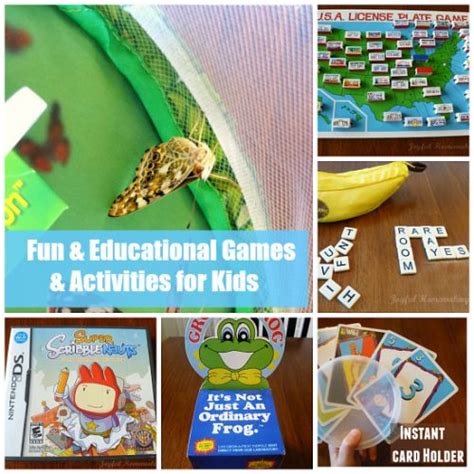
Finding the perfect family game can sometimes feel like a quest, balancing the desires of a wide age range and varied skill levels. The goal is to create memorable moments of laughter and challenge, not frustration. But how do you navigate the vast world of games to pick ones that truly engage everyone, from the youngest strategist to the most seasoned player?
Understand Your Family’s Game Dynamics
Before diving into game selections, take stock of your family’s unique dynamics. Consider the age range of players, their typical interests, and the amount of time you usually have for a game session. Are you looking for quick, energetic rounds, or something that spans an hour or more? Does your family prefer cooperative challenges, competitive showdowns, or a mix of both? Understanding these preferences is the first step towards narrowing down the infinite choices.
Also, think about the environment. Will you be playing at a kitchen table, on the floor, or even outdoors? This helps determine game size, component durability, and complexity. A game that’s perfect for a quiet afternoon might not be suitable for a lively family gathering.

Leverage Online Resources and Reviews
The internet is an invaluable tool for game discovery. Websites like BoardGameGeek.com (BGG) offer comprehensive databases with user-submitted age recommendations, player counts, complexity ratings, and in-depth reviews. YouTube channels dedicated to board games provide visual explanations and playthroughs, giving you a better feel for gameplay than just reading a description.
When reviewing games online, pay close attention to comments about player interaction, learning curve, and replayability. Look for games specifically praised for their ability to engage mixed groups or for having variable difficulty settings. Don’t just rely on the publisher’s age range; often, user reviews will give a more realistic assessment.
Explore Diverse Game Categories
Games come in a myriad of categories, each offering a different type of engagement. Don’t limit yourself to traditional board games. Consider:
- Cooperative Games: Everyone works together towards a common goal. These are excellent for avoiding conflict and ensuring younger players feel valued. Examples include Pandemic, Forbidden Island, or The Crew.
- Dexterity Games: Require physical skill, often leveling the playing field between ages. Jenga, Suspend, or Rhino Hero are great examples.
- Card Games: Portable and often quick to learn, many card games offer surprising depth. Uno, Sleeping Queens, or Skip-Bo are classics, while newer options like The Mind or Sushi Go! offer fresh twists.
- Party Games: Designed for larger groups and often focus on laughter and interaction rather more than strategy. Codenames, Telestrations, or Wavelength are popular choices.

Seek Games with Adjustable Skill Levels
The key to engaging everyone is finding games that can adapt. Many modern games incorporate mechanics that allow for varying skill levels:
- Scalable Rules: Some games offer simpler rulesets for beginners or younger players, with advanced rules or modules that can be added as proficiency grows.
- Handicap Systems: Certain games include ways to balance play, giving a slight advantage to less experienced players without making it obvious.
- Strategic Depth vs. Complexity: Look for games that are easy to learn but difficult to master. This allows novices to jump in quickly while offering veteran players layers of strategic thought. Ticket to Ride or Catan are good examples.
Don’t be afraid to house-rule minor adjustments to make a game more enjoyable for your specific family, as long as it doesn’t break the core experience. The goal is fun, after all!

Don’t Forget Local Resources and Community
Your local game store can be a treasure trove of information. Staff are often passionate and knowledgeable, able to recommend games based on your family’s specific needs. Many stores also have demo copies you can try out or host open game nights where you can see games in action.
Libraries are increasingly stocking board games for checkout, offering a fantastic, low-cost way to experiment. Ask friends and family for recommendations; a game that’s a hit with another family might be perfect for yours. Word-of-mouth is still one of the best ways to find hidden gems.

Finding the right family games doesn’t have to be a daunting task. By understanding your family’s preferences, utilizing online resources, exploring diverse categories, and seeking out adaptable games, you can confidently build a collection that guarantees engaging, age-appropriate fun for all skill levels. The most important rule is to have fun and make lasting memories together!