




What are practical tips to set healthy screen time limits for kids’ gaming without constant arguments?
Navigating the Digital Playground: Setting Screen Limits Without the Drama
In today’s digital age, video games are an integral part of many children’s lives. While gaming can offer numerous benefits, from problem-solving skills to social interaction, finding the sweet spot for screen time often feels like an uphill battle for parents. The goal isn’t to eliminate gaming but to cultivate healthy habits and ensure a balanced lifestyle, all while avoiding the dreaded “just five more minutes!” arguments that can strain family relationships. This article provides practical, argument-free strategies for setting healthy screen time limits for your kids’ gaming.

Why Screen Time Limits Are Essential (and Why They’re So Challenging)
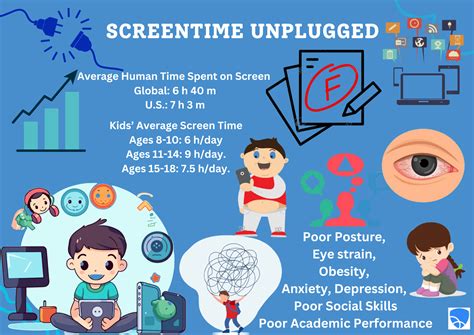
Establishing boundaries for screen time is crucial for a child’s overall well-being. Excessive gaming can impact sleep, academic performance, physical activity, and social development. However, the challenge lies in the captivating nature of games – they’re designed to be engaging and addictive. Kids often perceive limits as arbitrary restrictions on their fun, leading to frustration and pushback. Understanding this perspective is the first step toward a more empathetic and effective approach.
Strategy 1: Involve Your Child in the Process
The most effective way to reduce arguments is to empower your child by involving them in the decision-making. Instead of dictating rules, initiate a family discussion about screen time. Ask questions like: “How much time do you think is fair for gaming each day/week?” or “What responsibilities do you need to complete before you can play?” When children have a voice, they are more likely to internalize and adhere to the rules. This fosters a sense of ownership and responsibility rather than resentment.
- Hold Family Meetings: Regularly discuss screen time, expectations, and any emerging issues.
- Collaborate on Rules: Draft a “Family Media Plan” together, outlining agreed-upon times, game types, and conditions for playing.
- Explain the “Why”: Help them understand the benefits of balanced screen time for their health, school, and other activities.

Strategy 2: Establish Clear and Consistent Rules
Ambiguity is the enemy of consistency. Once limits are discussed and agreed upon, make them crystal clear. This means specific times, not vague promises. “You can play for 60 minutes after homework and chores are done” is far more effective than “Don’t play too much.”
Consistency is equally vital. If rules are sometimes enforced and sometimes not, children quickly learn that pushing boundaries can pay off. Stick to the agreed-upon schedule, even on weekends, with allowances for special occasions. Use timers to help kids visualize the remaining time, giving them a heads-up before their session ends.
- Use Visual Timers: A physical timer or app can help kids track their time independently.
- Create a Schedule: Integrate gaming time into a broader daily or weekly schedule that includes homework, outdoor play, and family time.
- Pre-Game Checklist: Require completion of homework, chores, and perhaps some physical activity before gaming.

Strategy 3: Leverage Technology Smartly
Parental control apps and console/device settings can be powerful allies. Many gaming platforms, smartphones, and tablets offer built-in features to set time limits, monitor activity, and even schedule downtime. Using these tools removes you from the role of the “bad cop” and shifts the enforcement to an impartial system.
Explore features like:
- Time Limits: Automatically cut off gaming after a set duration.
- Scheduled Downtime: Prevent access during school hours or bedtime.
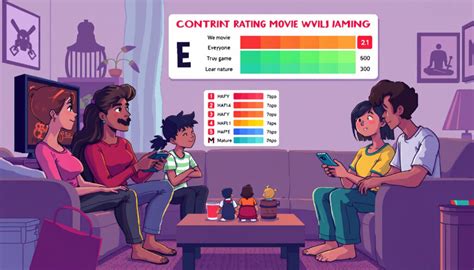
- Content Filters: Ensure age-appropriate games are being played.
Communicate to your child that these tools are being used as part of the family’s agreed-upon media plan, not as a punishment.
Strategy 4: Offer Engaging Alternatives and Rewards
Children need appealing alternatives to gaming. If they transition from an exciting virtual world to “nothing to do,” frustration is inevitable. Encourage and facilitate other activities:
- Outdoor Play: Organize trips to the park, bike rides, or simply backyard games.
- Creative Pursuits: Drawing, building, crafts, or playing musical instruments.
- Reading: Introduce them to captivating books or audiobooks.
- Family Activities: Board games, cooking together, or movie nights.
Also, consider a reward system for adherence to screen time limits. Earning extra minutes, a special outing, or a new non-gaming toy can be a powerful motivator.

Strategy 5: Model Healthy Screen Habits Yourself
Children are keen observers. If you’re constantly glued to your phone or laptop, your words about screen limits might ring hollow. Demonstrate healthy digital habits by:
- Designating Tech-Free Zones: The dinner table, bedrooms, or during family activities.
- Scheduling Your Own Downtime: Show them you also step away from screens.
- Engaging in Other Activities: Let them see you reading, exercising, or pursuing hobbies.
Leading by example is one of the most powerful tools in your parenting arsenal.

Conclusion: Cultivating a Balanced Digital Life
Setting healthy screen time limits for gaming doesn’t have to be a source of constant conflict. By involving your children in the process, establishing clear and consistent rules, utilizing technology, offering engaging alternatives, and modeling good habits, you can transform a potential battleground into a cooperative effort. The ultimate goal is to equip your children with the skills to manage their digital lives responsibly, fostering a balanced and healthy relationship with technology long after the console is turned off.