




How can parents use game guides to pick truly age-appropriate titles?

Navigating the Digital Playground: Your Guide to Age-Appropriate Gaming
In an age where video games are a staple of childhood, parents face the increasingly complex task of sifting through thousands of titles to find ones that are truly age-appropriate and beneficial for their children. The sheer volume and diversity of games can be overwhelming, making informed decisions difficult. Fortunately, a wealth of resources, from official rating systems to detailed game guides, are available to help parents confidently pick titles that align with their family values and a child’s developmental stage.
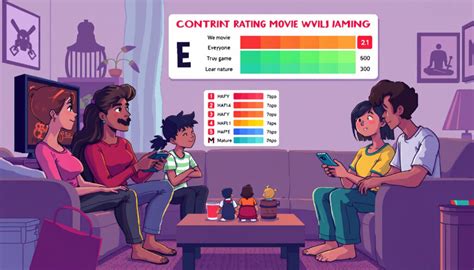
Understanding Official Game Rating Systems
The first line of defense for parents is always the official game rating system prevalent in their region. These systems provide a quick, at-a-glance overview of a game’s intended audience and content:
- ESRB (Entertainment Software Rating Board – North America): Provides age ratings (e.g., E for Everyone, T for Teen, M for Mature) and detailed content descriptors (e.g., Fantasy Violence, Strong Language, Use of Alcohol). These descriptors are crucial for understanding the specific elements that contributed to the rating.
- PEGI (Pan European Game Information – Europe): Similar to ESRB, PEGI offers age recommendations (e.g., 3, 7, 12, 16, 18) and content descriptors using universally recognizable icons for violence, bad language, fear, sex, drugs, discrimination, and gambling.
- Other Regional Systems: Countries like Japan (CERO), Australia (ACB), and Germany (USK) have their own robust rating systems. Familiarizing yourself with your local system is paramount.
While these systems are excellent starting points, they offer general guidelines. A “Teen” rating might still contain elements a particular parent finds unsuitable, or a “Everyone” game might be too complex for a very young child. This is where comprehensive game guides become invaluable.

Leveraging Comprehensive Game Guides for Deeper Insights
Beyond the official ratings, several independent organizations and platforms offer more in-depth analyses tailored for parents:
Common Sense Media: A Parent’s Best Friend
Common Sense Media is arguably one of the most comprehensive and trusted resources for parents. It doesn’t just provide an age rating; it offers:
- Kid-Friendly Ratings: A recommended age range from Common Sense Media itself, often differing from official ratings based on broader factors.
- Detailed Reviews: Breakdowns of educational value, positive messages, positive role models, violence, sex, language, consumerism, and more.
- Discussion Starters: Prompts to help parents talk to their children about the game’s content.
- User Reviews: Feedback from other parents and kids, offering diverse perspectives.
Parent-Focused Gaming Websites and Blogs
Many websites and blogs specialize in reviewing games from a parental perspective. These often offer subjective but relatable insights into gameplay, educational potential, potential pitfalls, and overall family-friendliness. Look for sites that align with your family’s values.
Key Factors to Consider When Evaluating Game Guides
When you’re looking at a game through the lens of a guide, keep these critical factors in mind:
- Your Child’s Individual Maturity Level: An official “7+” game might be too scary for a highly sensitive 8-year-old, while a mature 6-year-old might handle “E for Everyone” content meant for slightly older kids. You know your child best.
- Specific Content Descriptors: Don’t just look at the age rating. Dig into why it received that rating. “Fantasy Violence” in a cartoon game is very different from “Realistic Violence” in a first-person shooter.
- Gameplay Mechanics and Learning Curve: Is the game overly complex or frustrating? Does it promote problem-solving, creativity, or teamwork? Or does it encourage repetitive, mindless tasks?
- Online Interaction and Monetization: If the game has online multiplayer, does the guide address communication features, potential for stranger interaction, or in-game purchases (microtransactions, loot boxes)? These can have significant implications for child safety and spending.

Practical Steps for Parents Using Game Guides
Here’s a step-by-step approach to make the most of game guides:
- Start with the Official Rating: Always check the ESRB, PEGI, or local rating first. It’s your initial filter.
- Consult a Comprehensive Guide: Dive deeper with resources like Common Sense Media. Read their full review and note their recommended age.
- Watch Gameplay Videos: YouTube and Twitch are excellent for seeing actual gameplay. This gives you a true feel for the graphics, tone, and action, which text reviews can’t always convey.
- Talk to Other Parents: Word-of-mouth recommendations from parents whose parenting styles you trust can be incredibly valuable.
- Play Together (If Possible): The best way to understand a game is to experience it. Play the game with your child or even play it yourself for a short while to get a personal perspective.

The Importance of Ongoing Dialogue and Flexibility
Choosing age-appropriate games isn’t a one-time decision. As children grow, their interests, maturity, and capacity to handle different content evolve. Regularly discuss their gaming experiences with them, asking what they like, what they find challenging, and how they feel about the game’s content. Be open to revisiting your decisions and adapting your guidelines as your child develops.
By actively using game guides, official ratings, and open communication, parents can transform the often-daunting task of game selection into an empowering opportunity to guide their children toward enriching and appropriate digital entertainment.