



What F2P gacha red flags indicate predatory design or poor value?
Understanding the Allure and the Trap of F2P Gacha
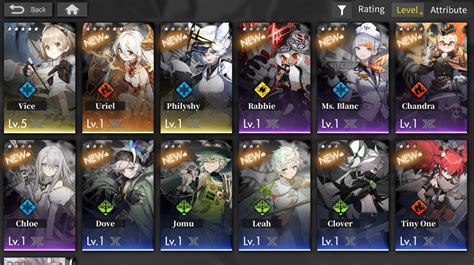
Free-to-play (F2P) gacha games have become a dominant force in the mobile gaming landscape, drawing millions with their accessible entry points and engaging mechanics. Inspired by Japanese gashapon vending machines, these games allow players to spend in-game currency (often bought with real money) for a chance to acquire powerful characters, rare items, or valuable resources. While many gacha games offer legitimate entertainment and value, a significant number employ design choices that verge on predatory, exploiting player psychology and creating a poor value proposition. Recognizing these “red flags” is crucial for players to protect their wallets and their enjoyment.

Opaque Rates and Unforgiving Pity Systems
One of the most immediate indicators of a potentially predatory gacha system lies in its transparency and generosity. Games that hide or obscure drop rates for rare items are a major warning sign. Players should always be able to easily find the exact percentage chance of pulling specific units. Beyond transparency, the actual rates matter. Abysmally low base rates (e.g., less than 1% for top-tier units) coupled with an absent or extremely high “pity” counter (a system guaranteeing a rare pull after a certain number of attempts) suggest a game designed to extract maximum spending. A healthy gacha system will usually have a transparent pity counter that resets, but also an “unconditional” or “soft” pity that gradually increases rates as you near the limit, making pulls more predictable.
Furthermore, look out for games where acquiring multiple copies of a single unit is essential for its viability. While duplicates for minor stat boosts can be acceptable, needing many identical pulls just to unlock core abilities or make a character competitive is a classic “whale trap,” forcing players to spend hundreds or even thousands to fully utilize a single unit.

Aggressive Monetization Beyond the Gacha
A game’s monetization strategy extends beyond just its gacha banners. Red flags include a constant barrage of limited-time pop-up offers that feel designed to pressure immediate purchases, rather than offering genuine value. Battle passes are common, but predatory ones often don’t provide enough premium currency to buy the next pass, creating a continuous spending loop. Games that heavily gate progression behind “energy” or “stamina” systems that recharge too slowly or cost exorbitant amounts of premium currency to refill can severely hamper a free player’s ability to engage with content.
Be wary of games that introduce “pay-to-skip” mechanics for essential grinding, making the free-to-play experience feel deliberately tedious and frustrating. When basic quality-of-life features like increased inventory space, extra team slots, or even critical daily resource resets are locked behind premium currency, it signals a design intent to nickel-and-dime players at every turn, turning necessities into additional revenue streams.

Power Creep, FOMO, and Artificial Scarcity
Rapid power creep is a significant red flag. This occurs when newly released gacha units consistently and quickly outclass existing ones, rendering previous investments obsolete. This design tactic forces players to continuously pull for the latest characters to remain competitive, undermining the value of their past spending. Coupled with this, Fear Of Missing Out (FOMO) is a powerful psychological tool. Limited-time banners, exclusive event characters that are disproportionately powerful, and daily login bonuses that expire quickly all pressure players into immediate engagement and spending. If a game constantly pushes “must-have” units or items that are only available for a short window, it’s likely trying to capitalize on impulse decisions.
Artificial difficulty spikes, especially those that appear after a tutorial phase, can be another sign. If progression suddenly grinds to a halt unless you pull specific new units or spend heavily on resources, the game is likely designed to push players towards the gacha rather than offering organic challenge. PVP modes heavily skewed towards players who spend the most, rather than those with skill or strategic play, also indicate a “pay-to-win” rather than a “pay-for-advantage” model.
Lack of Free-to-Play Content and Poor Communication
A healthy F2P gacha game offers substantial content and meaningful progression paths for players who choose not to spend, or spend minimally. Red flags include a severe lack of premium currency from in-game activities, infrequent or unrewarding events, and a general feeling that the game is designed exclusively for big spenders. If the developers rarely communicate with their player base, ignore feedback, or consistently make changes that benefit monetization over player experience, it suggests a lack of commitment to their community and a focus purely on revenue.
Ultimately, a game should be enjoyable, fair, and offer reasonable value for any money spent. When a game consistently employs tactics that feel exploitative, frustrating, or devalues past effort and investment, it’s time to re-evaluate whether it’s worth your time or money.
Protecting Your Wallet and Your Fun
Navigating the F2P gacha landscape requires a discerning eye. By being aware of these common red flags—opaque gacha rates, aggressive monetization, rapid power creep, FOMO tactics, and a lack of F2P-friendly content—players can make more informed decisions. Prioritize games that offer transparent systems, a clear path to progress without excessive spending, and developers who demonstrate a commitment to their player base. Your gaming experience should be fun and rewarding, not a constant battle against predatory design.