


How to choose age-appropriate games and set effective screen time limits?

In today’s digitally saturated world, navigating the vast array of video games and managing children’s screen time presents a significant challenge for parents. While games can offer educational benefits and foster creativity, ensuring they are suitable for a child’s age and developmental stage, alongside establishing healthy boundaries, is crucial for their overall well-being. This guide aims to equip parents with practical strategies for making informed choices about digital entertainment and setting effective limits.
Understanding Age-Appropriate Games
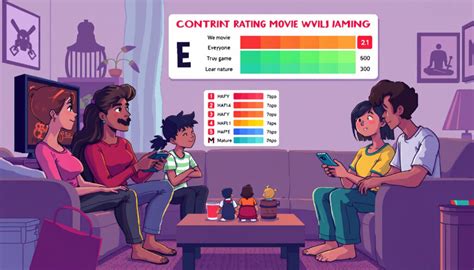
The first step in choosing games involves understanding what “age-appropriate” truly means. It’s not just about what other kids are playing; it’s about content, themes, complexity, and potential impact on your child’s development. Rating systems like the ESRB (Entertainment Software Rating Board) in North America or PEGI (Pan European Game Information) are invaluable tools. These ratings provide clear guidelines on suggested age ranges and often detail specific content descriptors such as violence, language, drug reference, or simulated gambling.

Beyond the official ratings, consider the game’s overall message and themes. Does it promote positive values, problem-solving, or creativity? Or does it rely heavily on repetitive, mindless tasks or gratuitous conflict? Take into account your child’s individual maturity level and sensitivity. What might be acceptable for one child at a certain age could be overwhelming for another.
Practical Tips for Choosing Games
Selecting the right games requires a proactive approach. Start by researching games that interest your child. Read reviews from reputable sources (e.g., Common Sense Media) that often offer a parent’s perspective. Don’t hesitate to watch gameplay videos on platforms like YouTube to get a firsthand look at the game’s mechanics and content before committing to a purchase. Engaging in these steps allows you to pre-screen and make an informed decision.
Whenever possible, play games with your child. This not only allows you to assess the game’s suitability but also creates a shared experience and opens lines of communication. Pay attention to games that offer co-operative play, which can enhance teamwork and social skills. Be vigilant about games that heavily feature in-app purchases, loot boxes, or aggressive monetization strategies, as these can lead to unexpected costs and potentially foster unhealthy spending habits.

Setting Effective Screen Time Limits
Once appropriate games are chosen, establishing clear and consistent screen time limits is paramount. The “why” behind these limits is crucial: excessive screen time has been linked to issues such as disrupted sleep, decreased physical activity, impaired social skills, and academic difficulties. These limits aren’t about punishment; they’re about promoting a balanced lifestyle.
Involve your children in the discussion about screen time. When children feel like they have a voice in creating the rules, they are more likely to adhere to them. Discuss what constitutes “screen time” (is it just gaming, or does it include educational apps and TV?) and agree on specific daily or weekly allocations. Be consistent with these rules, as predictability helps children understand expectations. While consistency is key, also be prepared to be flexible for special occasions or specific educational tasks.

Utilize technology to help enforce limits. Most gaming consoles, tablets, and smartphones have built-in parental controls that allow you to set time limits, restrict content, and monitor usage. Consider using timers or visual cues to signal when screen time is nearing its end, giving children time to transition away from their activity without abrupt frustration.
Fostering Healthy Digital Habits Beyond Limits
Effective screen time management extends beyond just setting limits; it’s about cultivating a healthy relationship with technology. Designate screen-free zones in your home, such as the dining table or bedrooms, and establish screen-free times, like during meals or an hour before bedtime. These practices encourage family interaction and better sleep hygiene.

Actively encourage alternative activities. Provide opportunities for outdoor play, reading, creative arts, board games, and social interactions. When children have a rich variety of engaging options, they are less likely to default to screens out of boredom. Most importantly, lead by example. Children observe their parents’ technology habits. Model balanced screen usage, put your phone away during family time, and show interest in non-digital activities.

Conclusion
Choosing age-appropriate games and setting effective screen time limits are ongoing processes that require open communication, consistent effort, and a willingness to adapt. By taking an active role in your children’s digital lives, understanding the content they consume, and establishing healthy boundaries, you can empower them to enjoy the benefits of technology while safeguarding their development and well-being. Remember, the goal is not to eliminate screens but to integrate them mindfully and constructively into a balanced childhood.