




For new players, what core game mechanics should a beginner guide prioritize?

Stepping into a new game world can be exhilarating, but for many new players, it can also be overwhelming. A well-crafted beginner guide is essential for a positive first impression, and its success hinges on prioritizing the right core game mechanics. Instead of bombarding players with every detail, a guide should focus on the foundational elements that empower them to play, understand, and enjoy the game.
The Absolute Fundamentals: Movement and Navigation
Before anything else, new players need to know how to move. This seems obvious, but nuances exist. A beginner guide must clearly explain:
- Basic Locomotion: How to walk, run, jump, or crouch. Which keys or joystick inputs control these actions.
- Camera Control: How to look around, target enemies, or adjust the viewpoint. This is crucial for spatial awareness.
- Environmental Interaction: How to open doors, climb ladders, or navigate different terrains.
Mastering movement is the player’s first step towards agency within the game world, allowing them to explore and reach objectives without frustration.

Basic Interaction and Combat (Where Applicable)
Once players can move, they need to interact. This section covers the fundamental ways players engage with the game world and its inhabitants.
Engaging with the Environment:
- Picking Up Items: How to collect resources, loot, or quest items.
- Using Objects: How to activate switches, equip gear, or consume consumables.
Fundamentals of Combat:
For games with combat, this is a critical priority. The guide should break down:
- Primary Attack/Ability: How to perform the most basic offensive action.
- Targeting: How to select enemies or targets.
- Defense: Simple defensive actions like blocking, dodging, or using cover.
- Basic Ability Usage: Introducing one or two core abilities that are key to early gameplay.
Simplifying these initial interactions prevents early frustration and builds confidence.
Demystifying the User Interface (UI) and Heads-Up Display (HUD)
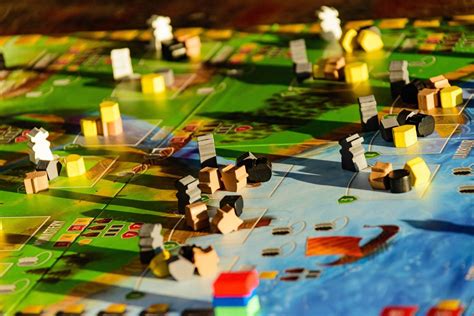
The UI and HUD are the game’s communication channels with the player. A beginner guide must teach players how to read and interpret these vital elements.
- Health and Resource Bars: What they represent and how to replenish them.
- Mini-map/Compass: How to navigate and locate objectives.
- Inventory/Equipment Screen: How to access, manage, and equip items.
- Quest Log/Objectives Tracker: How to view current tasks and understand their goals.
- Settings Menu: Where to adjust basic options like volume or controls.
Understanding the UI reduces confusion and empowers players to make informed decisions.
Core Objectives and Progression Systems
Beyond the “how,” players need to understand the “why.” A beginner guide should introduce the game’s core loop and progression.
- Main Goals: What is the primary objective of the game or the current segment?
- Questing/Mission System: How to accept, track, and complete quests.
- Basic Progression: How players become stronger or advance (e.g., gaining experience, leveling up, unlocking new areas).
- Saving the Game: Crucial information on how and when progress is saved.
This provides direction and a sense of purpose, encouraging players to continue playing.
Resource Management: Staying Alive and Effective
Most games involve managing various resources. A beginner guide should highlight the most critical ones early on.
- Health/Stamina: How to monitor and recover them.
- Ammunition/Mana: If applicable, how to track and replenish these vital resources.
- Currency: How to earn and spend the in-game money for essential items or upgrades.
- Consumables: Explaining basic healing potions or buffs and how to use them.
Teaching effective resource management early helps players avoid unnecessary deaths and setbacks, fostering self-sufficiency.
Conclusion: Building a Solid Foundation
A beginner guide’s primary role is to provide a solid, digestible foundation. By prioritizing movement, basic interaction, UI comprehension, core objectives, and resource management, guides can effectively onboard new players. This focused approach reduces cognitive load, builds confidence, and ensures that the initial hours spent in a new game are enjoyable and lead to continued engagement rather than frustration and abandonment.