




How to set healthy game screen time limits for kids without battles?

Navigating the Digital Playground: Setting Healthy Boundaries
In today’s digital age, video games are an undeniable part of many children’s lives. While they can offer entertainment, social connection, and even educational benefits, managing screen time often becomes a source of tension between parents and kids. The good news is that setting healthy game screen time limits doesn’t have to be a constant battle. With the right approach, you can foster cooperation, teach valuable self-regulation skills, and create a more harmonious home environment.
The key lies in shifting from a confrontational mindset to a collaborative one, focusing on understanding, communication, and consistent boundaries. Let’s explore practical strategies to achieve this.
1. Collaborate, Don’t Dictate: Involve Them in the Process
Children are far more likely to adhere to rules they’ve helped create. Instead of imposing limits, sit down with your child and discuss screen time together. Ask them what they think is a reasonable amount of time, what games they enjoy, and why. Explain your concerns about excessive screen time – perhaps linking it to sleep, homework, or outdoor play – in an age-appropriate way. This open dialogue validates their feelings and makes them feel respected, leading to greater buy-in.
2. Create a Family Media Plan
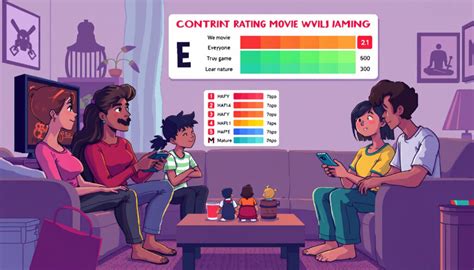
Once you’ve had an initial discussion, formalize your agreements. A written family media plan can be incredibly effective. This plan should outline not just how much screen time is allowed, but also when (e.g., after homework, before dinner), where (e.g., not in bedrooms), and what types of content are appropriate. Include consequences for breaking rules and rewards for following them. Display the plan prominently, perhaps on the fridge, as a constant visual reminder for everyone.

3. Focus on What They Gain, Not Just What They Lose
Instead of framing screen time limits as a punishment, highlight the benefits of other activities. “When you finish your screen time, you’ll have more time for building that Lego castle,” or “Let’s go to the park after your game to get some fresh air.” Offer appealing alternatives that genuinely interest your child. Encourage hobbies, sports, reading, creative play, and family activities. The goal isn’t just to reduce screen time, but to enrich their lives with diverse experiences.

4. Utilize Tools and Timers Wisely
Many gaming consoles, devices, and internet routers offer built-in parental controls to set time limits automatically. These tools can be incredibly helpful for consistent enforcement, taking the “bad cop” role away from you. For younger children, a simple kitchen timer can work wonders. When the timer goes off, the game stops. This external cue helps children understand the boundary without endless nagging.

5. Be a Role Model: Practice What You Preach
Children are keen observers. If you’re constantly on your phone or glued to a screen, your arguments about their screen time will lose credibility. Make an effort to put your own devices away during family meals, conversations, and dedicated family time. Show them that there’s a world of engagement beyond screens. Your actions speak louder than your words when it comes to healthy digital habits.
6. Consistency is Key, with Room for Flexibility
Once limits are set, stick to them. Inconsistency sends mixed messages and makes children push boundaries more often. However, life happens. There might be special occasions, long car rides, or sick days where flexibility is warranted. Communicate these exceptions clearly in advance, so they understand it’s not a permanent shift. Discussing “flexibility days” as part of your media plan can also be beneficial.

Conclusion: Fostering a Balanced Digital Life
Setting healthy game screen time limits for kids is an ongoing process that requires patience, clear communication, and a unified family approach. By involving your children, creating a clear plan, offering engaging alternatives, using practical tools, and modeling good habits, you can transform a potential source of conflict into an opportunity for growth. The ultimate goal is not just to limit screens, but to teach children self-control, balance, and an appreciation for a diverse, fulfilling life both online and off.