




What are realistic screen time limits for gaming, and how do I enforce them effectively?

In today’s digital age, video games are an undeniable part of many children’s lives. While they can offer entertainment, social connection, and even cognitive benefits, the question of “how much is too much?” often weighs heavily on parents’ minds. Setting realistic screen time limits for gaming and ensuring they are followed can feel like an uphill battle, but it’s a critical step in fostering healthy digital habits and overall well-being.
Why Screen Time Limits Are Essential
Beyond the common fear of addiction, excessive gaming can impact a child’s physical health (sedentary lifestyle, eye strain, poor sleep), mental health (anxiety, irritability), academic performance (distraction, reduced study time), and social development (less face-to-face interaction). Establishing boundaries helps children develop self-regulation, prioritize other important activities like schoolwork, physical play, and family time, and understand the value of moderation.

Defining “Realistic” Screen Time Limits
What constitutes a realistic limit isn’t a one-size-fits-all answer. It largely depends on the child’s age, individual temperament, academic responsibilities, and involvement in other activities. Pediatric organizations often recommend:
- Ages 6 and Older: Up to 1-2 hours of screen time per day, though this often encompasses all screen use, not just gaming. For gaming specifically, many families find 30-90 minutes on weekdays and 1-2 hours on weekends to be a manageable starting point.
- Prioritize Quality: It’s not just about the duration but also the content. Educational or interactive games might be viewed differently than purely recreational ones.
- Individual Needs: A child excelling in school, active in sports, and with a strong social life might handle more screen time than one struggling in these areas.
The key is balance. Gaming should not displace sleep, homework, physical activity, or real-world social interactions.
Strategies for Effective Enforcement
1. Open Communication and Collaboration
Involve your child in the discussion. Explain why limits are important (e.g., for better sleep, more time for friends, brain health) rather than simply dictating rules. When children understand the rationale, they are more likely to buy in. Collaborate on setting the rules, within reasonable parental guidance.
2. Create a Clear Screen Time Plan
Document the agreed-upon rules. This could be a physical chart or a written agreement. Specify:
- Daily/weekly time limits for gaming.
- “No-gaming” zones (e.g., bedrooms, dinner table).
- “No-gaming” times (e.g., an hour before bedtime, during homework).
- Consequences for breaking rules.
3. Utilize Parental Control Tools
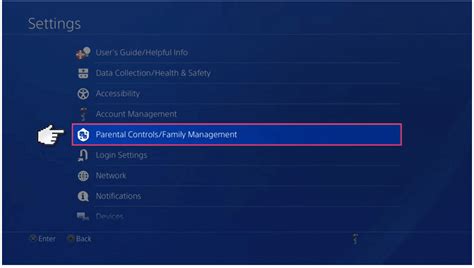
Modern gaming consoles, PCs, and mobile devices offer robust parental control features. These allow you to set daily time limits, restrict access to certain games or content, and even schedule downtime. Don’t be afraid to use them – they are a powerful aid in consistent enforcement, especially when you can’t always be physically present.
4. Be Consistent and Follow Through
This is perhaps the most challenging but crucial aspect. If limits are set, they must be enforced consistently. Inconsistency sends mixed signals and undermines your authority. When a rule is broken, apply the agreed-upon consequences calmly and firmly. Avoid lengthy lectures or emotional responses.

5. Offer Engaging Alternatives
Children are less likely to resist limits if they have other exciting activities to fill their time. Encourage hobbies, sports, reading, creative play, board games, or spending time outdoors. Lead by example by engaging in non-screen activities yourself.

6. Model Good Screen Habits
Children learn by observing. If parents are constantly glued to their phones or TVs, it’s harder to enforce limits on gaming. Demonstrate healthy screen habits by having screen-free family meals, putting devices away during conversations, and setting your own tech boundaries.

Conclusion
Setting and enforcing realistic screen time limits for gaming is an ongoing process that requires patience, consistency, and a flexible approach. It’s about finding a healthy balance that allows children to enjoy digital entertainment while prioritizing their physical health, mental well-being, and overall development. By communicating openly, setting clear boundaries, utilizing available tools, and offering engaging alternatives, parents can successfully guide their children toward a balanced digital life.