




Spotting predatory F2P/Gacha: What red flags should players watch for?
The Allure and The Trap of Free-to-Play
Free-to-Play (F2P) and Gacha games have become a dominant force in the gaming industry, offering seemingly endless entertainment without an upfront cost. However, beneath the surface of many of these titles lies a complex web of monetization strategies, some of which can be exploitative or predatory. For the uninitiated, these tactics can lead to significant financial outlays and even addiction. Knowing what red flags to look for is crucial for any player looking to enjoy these games responsibly.
Aggressive Monetization & Constant Pressure
One of the most immediate indicators of a potentially predatory game is an overwhelming push towards spending. This isn’t just about having an in-game shop; it’s about the relentless nature of its presentation.
- Constant Pop-ups and Offers: Does the game bombard you with multiple limited-time bundles, daily deals, or new character promotions every time you log in, complete a task, or even just navigate menus?
- Artificial Scarcity & FOMO: Creating a sense of urgency by offering ‘limited-time’ deals that expire quickly or unique items that might never return, leveraging ‘Fear Of Missing Out’.
- Multiple Currencies: Games with numerous premium currencies, often requiring complex conversion rates, make it harder for players to track their real-world spending.

Opaque Odds and Unfair Gacha Systems
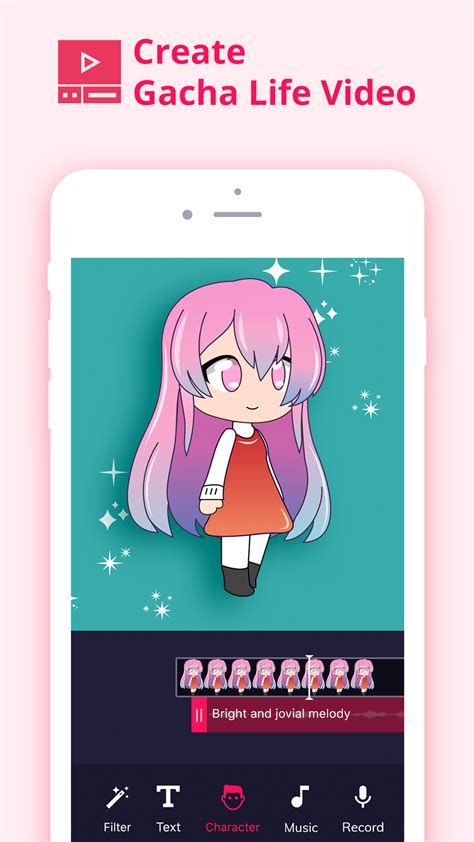
Gacha mechanics, derived from Japanese capsule toy machines, involve spending premium currency for a random chance at desirable items or characters. While not inherently bad, the way these systems are implemented can be highly manipulative.
- Extremely Low Drop Rates: If the odds of obtaining highly sought-after items are infinitesimally small (e.g., below 1%), especially for characters or equipment essential for progression.
- Unclear or Misleading Odds: Some games obscure the exact probabilities, or present them in a way that is difficult to understand. Transparency is key.
- Lack of ‘Pity’ Timers or High Thresholds: A ‘pity’ timer guarantees a rare item after a certain number of pulls. Predatory games either lack this or set the threshold so high that it still requires immense spending.
- No Meaningful ‘Bad Luck’ Protection: Continually pulling low-value items without any compensatory mechanism to mitigate frustration and loss.
Pay-to-Win (P2W) Mechanics
While many F2P games offer paid shortcuts, a true ‘pay-to-win’ game makes spending money almost mandatory to progress meaningfully or compete effectively.
- Essential Progression Gated: If hitting significant roadblocks in the main story or core gameplay requires purchasing specific items, characters, or resources.
- Dominance in PvP: Players who spend significantly have an undeniable, overwhelming advantage in player-versus-player modes, making it impossible for free players to compete.
- Aggressive Power Creep: A constant cycle where new, stronger units or gear are introduced regularly, making previous purchases obsolete and pressuring players to spend more to keep up.
Exploiting Psychological Biases
Predatory games are expertly designed to tap into psychological vulnerabilities, making it harder for players to stop spending.
- Sunk Cost Fallacy: Once a player has invested time and/or money, the game subtly pressures them to spend more to ‘protect’ that investment, arguing that stopping now would make their previous efforts worthless.
- Variable Reinforcement: The unpredictable nature of gacha pulls (like a slot machine) can be highly addictive, releasing dopamine spikes that encourage repeated attempts.
- Social Pressure & Leaderboards: Seeing friends or top players with powerful units or high ranks can create a desire to spend to keep pace or achieve similar status.
- Energy Systems & Time Gates: Systems that limit play time (e.g., energy that depletes and slowly regenerates) or force long waits (e.g., build timers) often offer a ‘skip’ option for a price, turning patience into a premium.
Lack of Meaningful Free Content & Engagement
A healthy F2P game offers a substantial, enjoyable experience even for those who choose not to spend. Predatory titles often lack this core value.
- Shallow Core Gameplay: If the game’s core loop becomes tedious or repetitive quickly without new characters, items, or levels obtained through spending.
- Limited Free Events: Few or unrewarding in-game events for non-spenders, making the game feel stale and pushing towards paid content for novelty.
- Artificial Walls: Encountering content that feels arbitrarily difficult or tedious without specific premium items, forcing players to either grind excessively or pay.

Conclusion: Play Smart, Spend Wisely
The F2P and Gacha landscape is vast, with many developers creating ethical and enjoyable experiences. However, the presence of predatory practices means players must be vigilant. By recognizing these red flags – aggressive monetization, opaque gacha odds, pay-to-win structures, psychological manipulation, and a lack of free-to-play value – you can make informed decisions, protect your wallet, and ensure your gaming remains a source of fun, not financial stress. Always remember: if a game feels like it’s pressuring you to spend more than you’re comfortable with, it’s probably time to step back, or step away entirely.