




How do F2P players identify gacha’s predatory traps to avoid spending?
Navigating the Gacha Landscape as a Free-to-Play Player
Gacha games have become a dominant force in the mobile gaming industry, offering seemingly endless entertainment without an upfront cost. For free-to-play (F2P) players, the allure of collecting powerful characters, rare items, and engaging in compelling stories is strong. However, lurking beneath the surface of engaging gameplay are sophisticated monetization strategies designed to convert free players into spenders. Understanding these “predatory traps” is the first and most crucial step for F2P players committed to enjoying gacha games without opening their wallets.
The Core Mechanics: Why Gacha is So Effective
At its heart, gacha is a gambling mechanism, pulling inspiration from Japanese toy vending machines. Players spend in-game currency (often premium, purchasable with real money) for a random chance at desirable items. The “free” aspect comes from the generous initial allowance of this currency and the ability to earn more through gameplay. However, this generosity often serves as a gateway.
Scarcity and FOMO (Fear Of Missing Out)
One of the most potent traps is the creation of artificial scarcity. Limited-time banners, seasonal events, and exclusive characters or weapons create a sense of urgency. Players are made to believe that if they don’t pull now, they might never get another chance at a highly sought-after unit. This triggers FOMO, compelling players to spend their accumulated free currency, and when that runs out, to consider spending real money to acquire what they desire before it vanishes.
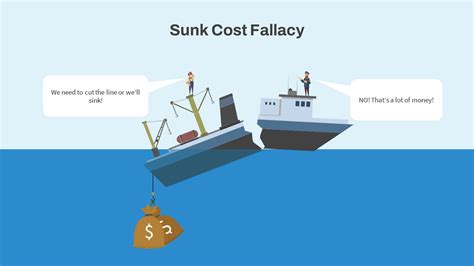
The Sunk Cost Fallacy
F2P players invest significant time and effort into their accounts – grinding stages, leveling characters, and building a roster. This investment represents a “sunk cost.” Game developers leverage this by making players feel that spending a little money to get a key character will make all their past efforts “worth it.” The thought of all that invested time going to waste without securing a desired unit can be a powerful motivator for spending, even if the unit isn’t strictly necessary.
Variable Ratio Reinforcement (The Slot Machine Effect)
The unpredictable nature of gacha pulls is a classic psychological conditioning tool, similar to a slot machine. Players don’t know exactly when they’ll get a rare item, but they know they *might* with the next pull. This variable reinforcement schedule is incredibly addictive, as the brain releases dopamine with each pull, especially on a near miss or a small reward, keeping players engaged and hoping for the big win.
Psychological Pricing and “Good Deals”
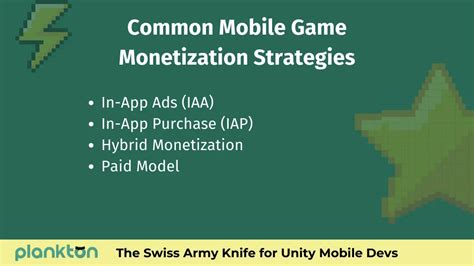
Gacha games often employ complex pricing structures for their premium currency. Players might buy a large pack of gems at a “discount,” but the sheer volume makes it hard to calculate the true value per pull. Limited-time “starter packs” or “monthly passes” are designed to be extremely attractive low-cost entry points, converting non-spenders into spenders. Once a player makes that initial purchase, the psychological barrier to future spending is significantly lowered.

Pity Systems and “Guaranteed” Pulls
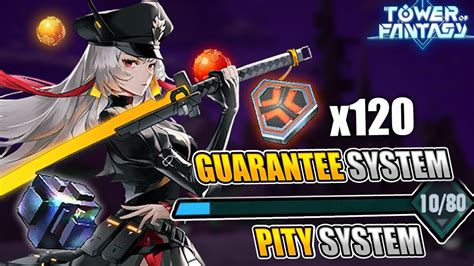
Many gacha games implement a “pity” system, guaranteeing a rare pull after a certain number of failed attempts. While this seems beneficial, it often serves as another trap. Knowing there’s a “guaranteed” unit coming at, say, 90 pulls can make players spend money to reach that threshold if they’re close, rationalizing that they’re not gambling but simply “securing” an item. The cost to reach that pity, however, can be substantial.
Power Creep and the Endless Grind
To keep the meta fresh and encourage spending, developers frequently introduce new characters or equipment that are more powerful than existing ones. This “power creep” makes older units feel obsolete, pressuring players to pull for the latest and greatest to stay competitive or tackle new content. F2P players must learn to adapt older units or accept not always having the absolute top tier.
F2P Strategies for Avoiding the Traps
Staying truly F2P in a gacha game requires discipline, awareness, and strategic planning.
- Set Clear Goals: Don’t try to collect everything. Decide on a few characters or teams you genuinely want and save all your resources for them. Research future banners to plan accordingly.
- Master Resource Management: Treat premium currency as precious. Resist impulse pulls. Only spend when there’s a banner that aligns with your specific goals and has favorable rates.
- Accept Limitations: Understand that as an F2P player, you won’t get every new unit or top the leaderboards. Focus on enjoying the story, core gameplay, and the units you do acquire.
- Research and Community Knowledge: Follow game communities, content creators, and guides. They often provide insights into meta shifts, future content, and the true value of certain banners, helping you make informed decisions.
- Take Breaks: If you feel the pressure to spend, step away from the game for a day or two. Distance often provides perspective and helps break the cycle of impulsive desire.
- Value Your Time: While F2P often means more grinding, understand when the grind becomes excessive or stops being fun. Your time is valuable, and it’s okay to put a game down if it demands too much without sufficient reward.
Conclusion
Gacha games are masterfully designed to encourage spending, employing a cocktail of psychological tricks that appeal to desire, fear, and habit. For F2P players, the key to avoiding these predatory traps lies in education and self-discipline. By understanding how scarcity, sunk costs, variable rewards, clever pricing, and power creep function, players can build a mental shield against spending temptations. With strategic planning and a clear understanding of personal boundaries, it is entirely possible to enjoy the rich worlds and engaging gameplay of gacha titles without ever spending a dime.