




Effective ways to set healthy game time limits and understand game ratings?
Navigating the Digital Playground: Setting Limits and Understanding Ratings
For many parents, video games represent a significant part of their children’s leisure time. While gaming can offer numerous benefits, from problem-solving skills to social interaction, it’s crucial to establish healthy boundaries. This article will guide you through understanding game ratings and implementing effective strategies for setting time limits, ensuring a balanced and safe gaming environment for your family.

Understanding Game Ratings: Your First Line of Defense
Before any game enters your home, understanding its rating is paramount. Game rating systems are designed to provide parents with objective information about the content of a game, helping them make informed choices. The most prominent systems include:
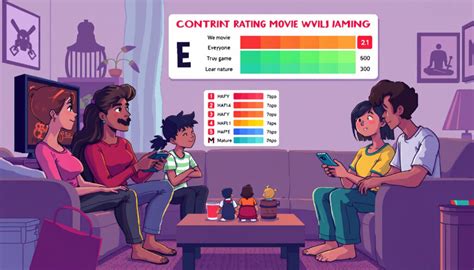
- ESRB (Entertainment Software Rating Board) in North America: Provides age ratings (e.g., E for Everyone, T for Teen, M for Mature) and content descriptors (e.g., Violence, Language, Sexual Themes).
- PEGI (Pan European Game Information) across Europe: Offers age recommendations (e.g., 3, 7, 12, 16, 18) and content descriptors (e.g., Violence, Bad Language, Drugs).
- CERO (Computer Entertainment Rating Organization) in Japan and others globally.
How to Interpret Ratings Effectively:
- Look Beyond the Age Rating: An age rating is a recommendation, not a strict guideline for suitability. A “Teen” rated game might contain elements you’re uncomfortable with, even if your child is a teen.
- Read the Content Descriptors: These are the most valuable part of the rating. They explain why a game received its rating, detailing specific content like “Fantasy Violence,” “Suggestive Themes,” or “Use of Alcohol.”
- Do Your Research: Supplement rating information with reviews, gameplay videos, or discussions with other parents. Sometimes, context is key.
Setting Healthy Game Time Limits: Practical Strategies
Once you’ve ensured the games are age-appropriate, the next step is managing the time spent playing. Consistency and communication are vital here.
1. Collaborate and Communicate
Involve your children in the discussion about game time limits. When they feel heard and part of the decision-making process, they are more likely to respect the rules. Explain the reasons behind the limits – for eye health, physical activity, schoolwork, and family time.
2. Establish Clear and Consistent Rules
Define specific gaming times and durations. For example, “30 minutes on weekdays after homework, 1 hour on weekends.” Write these rules down and display them prominently. Consistency is key; wavering sends mixed messages.

3. Use Timers and Parental Controls
- Physical Timers: An egg timer or kitchen timer can be a neutral, objective way to signal the end of game time.
- In-Game/Console Controls: Most modern consoles and PC gaming platforms offer built-in parental controls that allow you to set daily limits, block specific content, or schedule playtimes automatically. Familiarize yourself with these features.
- Third-Party Apps: Various apps can help manage screen time across multiple devices.
4. Designate Screen-Free Zones and Times
Implement rules like “no screens at the dinner table” or “no gaming in bedrooms.” Create specific screen-free hours before bedtime to ensure adequate sleep, as gaming can be stimulating.

5. Encourage Alternative Activities
Provide plenty of appealing alternatives to gaming. This could include sports, reading, board games, creative arts, outdoor play, or spending time with friends. When children have other engaging options, they are less likely to gravitate solely towards screens.
6. Monitor and Be Flexible
Regularly check in with your children about their gaming habits. Are the limits working? Do they feel too restrictive or not restrictive enough? As children grow and their needs change, be prepared to adjust the rules. What works for a 7-year-old might not work for a 14-year-old.
Leading by Example
Children are keen observers. Your own screen habits significantly influence theirs. Be mindful of your screen time, put down your phone during family activities, and engage in non-screen hobbies. Demonstrating a balanced approach to technology sets a powerful example.

Conclusion
Setting healthy game time limits and understanding game ratings are essential components of responsible parenting in the digital age. By combining informed decisions about game content with clear, consistent boundaries and open communication, you can help your children enjoy the benefits of gaming while ensuring it remains a balanced and enriching part of their lives.