




What red flags signal predatory F2P gacha mechanics or poor spending value?
The free-to-play (F2P) gacha model has become a dominant force in the mobile gaming industry, offering seemingly endless entertainment without an upfront cost. However, beneath the surface of many popular titles lie sophisticated monetization strategies designed to extract maximum revenue, often at the expense of player satisfaction and wallet health. Recognizing the signs of predatory gacha mechanics and poor spending value is crucial for any player looking to enjoy these games responsibly.
Abysmal Gacha Rates and Punishing Pity Systems
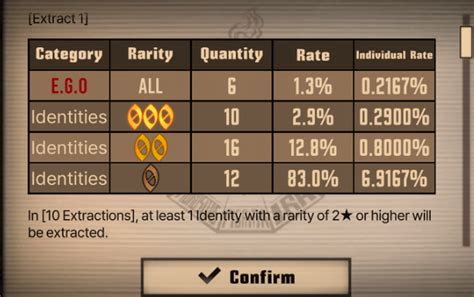
One of the most immediate red flags is a game featuring extremely low drop rates for its most coveted items or characters, often below 1% for top-tier rewards. While low rates are inherent to gacha, predatory systems exacerbate this with a lack of a meaningful “pity” or “spark” system. A true pity system guarantees a desired item after a reasonable number of pulls. Red flags include pity systems that:
- Require an astronomical number of pulls (e.g., 200-300+ for a single specific unit).
- Do not carry over between banners, meaning your progress towards pity resets.
- Offer “soft pity” that is barely noticeable or only applies to lower-tier items.
- Only guarantee a random high-tier item, not the specific one you’re chasing.
Combined, these factors can lead to players spending hundreds or thousands without ever acquiring their desired item, making spending feel like a bottomless pit rather than a calculated investment.
Aggressive FOMO and Constant Limited-Time Offers
Fear of Missing Out (FOMO) is a powerful psychological tool heavily exploited by predatory gacha games. This manifests through a relentless barrage of limited-time banners, exclusive character releases, and time-gated events. If a game constantly pushes new content that will only be available for a short period, it’s designed to make players spend now rather than save. Battle passes that offer tantalizing rewards but require significant daily commitment and often an upgrade purchase can also be a red flag if their value proposition is poor or they push players into unhealthy play habits.
Watch out for:
- Banners that last only a week or two for highly anticipated characters.
- “One-time” bundles that reappear frequently.
- Exclusive cosmetic items or power-boosting artifacts that are only available for a very limited duration and never return.

Restrictive Energy/Stamina Systems and Excessive Grind
Many F2P games employ an energy or stamina system to gate progress, which isn’t inherently bad. However, when these systems become overly restrictive, forcing players to either wait hours for a few minutes of gameplay or spend premium currency to continue, it signals a predatory design. If the core gameplay loop feels artificially extended by low stamina caps, slow regeneration, or extremely high stamina costs for essential activities, the game is likely designed to push players towards buying stamina refills.
Similarly, an excessive grind that requires hundreds of hours to make meaningful progress without spending is a major red flag. If progression is artificially slowed to encourage “convenience” purchases (like EXP boosters, auto-battle tickets, or resource packs), it devalues the player’s time and makes the game less enjoyable without spending.

Blatant Pay-to-Win and Rapid Power Creep
A game crosses into pay-to-win territory when core progression, competitive advantage, or access to essential content is locked behind spending. If the strongest characters, weapons, or power-ups are overwhelmingly found in gacha pulls and provide an insurmountable advantage over F2P players, it’s a clear sign. Rapid power creep—where newly released characters or items quickly make existing ones obsolete—is another predatory tactic. This forces players to constantly spend on new banners just to keep up, creating an endless cycle of expenditure.
Look out for:
- New characters released that are significantly stronger than previous ones.
- Content that is nearly impossible to clear without specific, gacha-exclusive units.
- Competitive modes where non-spenders stand no chance.
Confusing Pricing, Shady UI, and Lack of Transparency
Predatory games often obscure the true cost of items. This can include:
- Multiple Currencies: Introducing several layers of premium and non-premium currencies that make it difficult to calculate the real-world value of a purchase.
- Expensive Bundles: Offering “deals” that are still incredibly pricey, often presenting minor discounts on massive price tags.
- Misleading UI/UX: Pop-up ads for bundles appearing frequently, intentionally making it easy to accidentally spend, or highlighting expensive options.
- Lack of Gacha Rate Transparency: While many regions now mandate rate disclosure, some games still present rates in a confusing manner or bury them deep within menus.
Transparency is key. If a game is cagey about its mechanics, support, or pricing structure, it’s likely trying to hide something detrimental to the player.
Protecting Your Wallet and Enjoying the Game
Identifying these red flags doesn’t mean you can’t enjoy F2P gacha games. Many titles offer genuine fun without requiring heavy spending. However, understanding these mechanics empowers you to make informed decisions, avoid falling into spending traps, and recognize when a game prioritizes profit over player experience. Prioritize games that offer generous F2P progression, transparent mechanics, and respectful monetization. Your gaming experience, and your wallet, will thank you for it.