




What are practical tips for setting healthy screen time limits for young gamers?

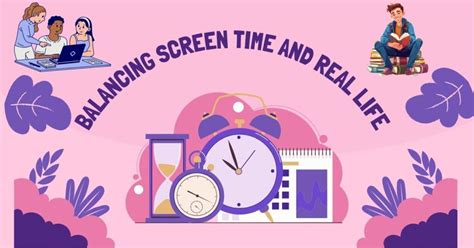
In today’s digital age, video games are a significant part of many children’s lives. While gaming can offer numerous benefits, from problem-solving skills to social interaction, finding the right balance can be a challenge for parents. Setting healthy screen time limits is crucial for ensuring a child’s overall well-being, including their physical health, academic performance, and social development.
Understanding the Challenge of Modern Gaming
Modern video games are often designed to be engaging and can make it difficult for children to disengage. Features like daily rewards, online multiplayer, and persistent worlds can make ‘just one more minute’ turn into an hour. Parents need strategies that acknowledge these aspects while still instilling discipline and healthy habits.

Practical Strategies for Setting Limits
1. Involve Your Child in the Process
Rather than dictating rules, sit down with your child to discuss screen time. Explain why limits are important (e.g., for sleep, school, outdoor play). When children have a say in creating the rules, they are more likely to understand and adhere to them. This fosters a sense of responsibility and mutual respect.
2. Establish Clear and Consistent Rules
Define specific screen time limits (e.g., ’30 minutes on weekdays, 1 hour on weekends’). Be clear about when screen time is allowed (e.g., after homework is done, before dinner) and what the consequences are for not following the rules. Consistency is key; a rule that is sometimes enforced loses its power.

3. Utilize Tools and Timers
Many gaming consoles, devices, and internet routers offer parental control features that can set daily time limits or specific usage schedules. Physical timers, like kitchen timers, can also be effective visual cues for children, making the end of screen time less of a surprise and more of an anticipated transition.
4. Prioritize Offline Activities
Actively encourage and schedule time for non-screen activities. This includes outdoor play, reading, creative arts, family games, sports, and social interactions. When children have engaging alternatives, they are less reliant on screens for entertainment. Make sure these alternatives are readily available and appealing.

5. Lead by Example
Children often mimic their parents’ behavior. Be mindful of your own screen usage. If you’re constantly on your phone or watching TV, it sends a mixed message when you ask your child to limit their screen time. Demonstrate a balanced approach to technology in your own life.
6. Create Tech-Free Zones and Times
Designate certain areas or times as tech-free. For example, ban screens at the dinner table, in bedrooms after a certain hour, or during family outings. This helps ensure quality family time and promotes better sleep hygiene by removing screens before bedtime.

7. Monitor Content and Interactions
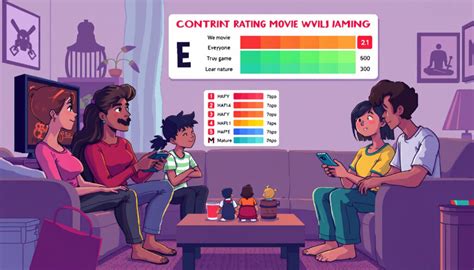
Stay informed about the games your child is playing and who they are interacting with online. Understand the content ratings and discuss appropriate online behavior and safety. This ongoing conversation builds trust and allows you to address any issues proactively.
8. Be Flexible, Yet Firm
While consistency is important, there might be special occasions (e.g., a long car trip, a sick day, a new game release) where a slight deviation from the rules is acceptable. Communicate these exceptions clearly and ensure they don’t become the norm. The key is to be adaptable without undermining the established limits.

Conclusion
Setting healthy screen time limits for young gamers is an ongoing process that requires patience, communication, and consistency. By involving your child, setting clear boundaries, offering alternatives, and leading by example, you can help them develop a balanced relationship with technology that supports their overall growth and well-being. The goal isn’t to eliminate gaming, but to integrate it into a healthy and fulfilling lifestyle.