




How to choose age-appropriate video games using ESRB ratings effectively?

Navigating the Digital Playground: Why ESRB Ratings Matter
In today’s digital age, video games are an integral part of many children’s lives. While offering numerous benefits like problem-solving skills and social interaction, they also present parents with the challenge of ensuring their children engage with content that is appropriate for their age and maturity level. This is where the Entertainment Software Rating Board (ESRB) ratings come into play, serving as a vital tool for informed decision-making. But simply glancing at a letter rating isn’t enough; understanding and effectively using the full ESRB system is key to guiding your child’s gaming journey responsibly.

Understanding the ESRB System: More Than Just a Letter
The ESRB provides age and content information for video games and apps, helping parents make informed choices. The system consists of three main components:
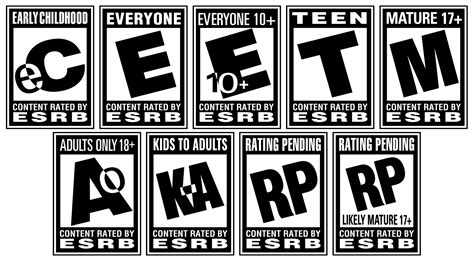
- Rating Categories: These are the familiar letters (E, E10+, T, M, AO) indicating the suggested age range for players.
- Content Descriptors: These explain *why* a game received its rating by detailing specific content that may be of concern (e.g., Fantasy Violence, Language, Blood, Sexual Themes).
- Interactive Elements: These highlight features that may be relevant to a parent’s concerns, such as in-game purchases, user interaction, or location sharing.
Deciphering Rating Categories
Each rating category suggests an appropriate audience:
- E (Everyone): Content is generally suitable for all ages. May contain minimal cartoon, fantasy or mild violence and/or infrequent mild language.
- E10+ (Everyone 10+): Content is generally suitable for ages 10 and up. May contain more cartoon, fantasy or mild violence, mild language, and/or minimal suggestive themes.
- T (Teen): Content is generally suitable for ages 13 and up. May contain violence, suggestive themes, crude humor, minimal blood, simulated gambling, and/or infrequent use of strong language.
- M (Mature): Content is generally suitable for ages 17 and up. May contain intense violence, blood and gore, sexual content, and/or strong language.
- AO (Adults Only 18+): Content should only be played by adults 18 and over. May include prolonged scenes of intense violence, graphic sexual content, and/or gambling with real currency.
The Power of Content Descriptors
While the rating category gives a broad idea, the content descriptors are where the real insight lies. Located on the back of game boxes or product pages, these brief phrases provide specific details about the game’s potentially objectionable content. For instance, an ‘E10+’ game might have ‘Fantasy Violence’ and ‘Mild Language,’ while a ‘T’ game could list ‘Blood,’ ‘Drug Reference,’ and ‘Suggestive Themes.’ Reading these descriptors helps you understand the *nature* of the content, which is crucial for making a truly informed decision for your child.
Consider two games both rated ‘T’ (Teen). One might be ‘T’ due to ‘Suggestive Themes’ and ‘Crude Humor,’ while another is ‘T’ due to ‘Violence’ and ‘Blood.’ Depending on your family’s values and your child’s specific sensitivities, one ‘T’ game might be acceptable while the other is not. This highlights why skipping the descriptors means missing vital information.

Effective Strategies for Parents
To leverage ESRB ratings effectively, consider these practical steps:
- Look Beyond the Letter: Always check both the rating category AND the content descriptors. They tell a more complete story.
- Visit ESRB.org: The ESRB website offers detailed rating summaries for nearly every game, often including specific examples of content that triggered certain descriptors. This is an invaluable resource.
- Watch Gameplay Videos: Search for gameplay videos on platforms like YouTube. Seeing the actual content in action can provide a much clearer picture than descriptions alone.
- Talk to Other Parents: Engage with other parents in your community or online who might have experience with certain games.
- Consider Your Child’s Maturity: Age ratings are guidelines. Your child’s emotional maturity, personal sensitivities, and past experiences should always factor into your decision. A mature 10-year-old might handle some ‘T’ content better than an immature 13-year-old.
- Play Together: If unsure, consider playing the game with your child or at least observing their gameplay. This provides direct insight and opens opportunities for discussion.

Beyond Ratings: Parental Controls and Communication
While ESRB ratings are foundational, they are part of a larger ecosystem of tools and practices. Most gaming consoles and platforms offer robust parental control settings that allow you to restrict games by rating category, limit screen time, manage in-game purchases, and control online interactions. Utilize these tools in conjunction with ESRB ratings.
Crucially, maintain open communication with your children. Discussing why certain games are off-limits or why you’re comfortable with others fosters trust and helps them develop media literacy skills. Explain your reasoning based on content descriptors and your family’s values, rather than simply issuing a ban.

Conclusion: Empowering Informed Gaming Choices
Choosing age-appropriate video games doesn’t have to be a guessing game. By understanding and effectively utilizing ESRB ratings – going beyond the letter to delve into content descriptors and interactive elements – parents can make confident, informed decisions. Combine this knowledge with parental controls and ongoing conversations, and you’ll empower your children to enjoy the rich world of video games safely and responsibly, aligning their digital experiences with their development and your family’s values.