




How do you craft engaging “Getting Started” guides for diverse game genres?
The Crucial First Impression: Why “Getting Started” Guides Matter
For any new player diving into a game, the initial experience can make or break their long-term engagement. An excellent “Getting Started” guide isn’t just a manual; it’s a welcoming hand, a patient teacher, and a beacon that transforms confusion into confidence. But how do you design such a guide when games range from fast-paced first-person shooters to intricate grand strategies, or deep narrative-driven RPGs? The key lies in understanding both universal principles of effective communication and the unique demands of each genre.
Understanding Your Audience and Their Genre-Specific Needs
Before writing a single word, consider who your guide is for and what game they’re playing. A complete novice needs a different approach than someone familiar with the genre but new to your specific title. Crucially, the core mechanics and learning curve vary wildly:
- First-Person Shooters (FPS): New players need to grasp controls, movement, aiming, weapon types, and map objectives quickly. Engagement is often immediate and action-oriented.
- Role-Playing Games (RPGs): Guides must introduce lore, character creation, core combat loops, inventory management, and quest systems without overwhelming. Story and progression are paramount.
- Strategy Games (RTS/Turn-Based): These often demand an understanding of complex UI, resource management, unit types, and strategic decision-making. The learning curve can be steep.
- Puzzle/Adventure Games: Focus on core interaction mechanics, inventory use, and introducing the logic required to solve the first few puzzles, gently hinting at deeper systems.
Recognizing these distinct needs is the first step toward tailoring an effective guide.
Core Principles for Engaging Guides Across All Genres
While genres differ, certain foundational principles apply to all successful “Getting Started” guides:
- Keep it Concise and Clear: Avoid jargon where possible. If technical terms are necessary, explain them simply. Break down complex information into digestible chunks. Use bullet points and short paragraphs.
- Progressive Revelation: Don’t dump all information at once. Introduce core mechanics, then build upon them. Let players master one concept before moving to the next. This mirrors how many games introduce mechanics in their early levels.
- Visual Aids are Vital: Show, don’t just tell. Screenshots with annotations, simple diagrams, or even short animated GIFs (conceptually, not literally in the guide) can clarify complex ideas far better than text alone. Highlight UI elements, character abilities, or critical locations.
- Encourage Hands-On Experience: The best guides nudge players to try things out immediately. “Now, try casting this spell!” or “Practice moving to cover!” turns passive reading into active learning.
- Anticipate Common Questions: Think like a new player. What would they struggle with? Address these potential pain points proactively.

Genre-Specific Crafting Strategies
For RPGs: Weaving Lore with Mechanics
Start with a brief, engaging lore snippet to set the mood. Guide character creation with clear explanations of stats and their impact. Introduce the core combat loop with simple examples and a few key abilities. Explain the quest log and basic inventory use early on. Keep early quests straightforward to reinforce learning.
For FPS Games: From Controls to Combat Flow
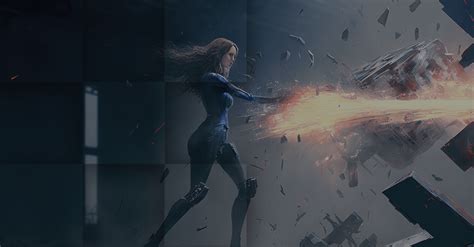
Prioritize control schemes. A quick visual reference for keyboard/controller mappings is essential. Then, move to basic movement (sprinting, crouching), aiming fundamentals, and weapon switching. Introduce one or two weapon types, explaining their role. Finally, guide them through a simple combat scenario against easy targets, focusing on objectives rather than just kills.
For Strategy Games: Unpacking the Grand Design
Begin by explaining the user interface (UI) – where to find resources, unit production, and vital information. Introduce a single, core resource or unit type first. Guide players through constructing their first building or commanding their first unit. Focus on one or two victory conditions or strategic goals initially, gradually adding complexity.
Iterate, Test, and Refine
A “Getting Started” guide is never truly finished on the first draft. Test it with actual new players. Observe where they get stuck, what questions they ask, and what information they skip. Is the language clear? Are the visuals helpful? Does it feel overwhelming? Use this feedback to refine your guide, making it ever more intuitive and effective. The goal is to smooth out the initial friction, allowing new players to quickly find their footing and begin enjoying the rich experience your game offers.
Conclusion: The Gateway to Lasting Engagement
An engaging “Getting Started” guide is more than just instructions; it’s an investment in your players’ enjoyment and retention. By thoughtfully considering the genre, understanding the new player’s mindset, and applying core principles of clear, progressive, and visually supported communication, you can craft guides that don’t just teach mechanics, but foster a lasting connection with the game itself.