




How can I set healthy screen time limits for gaming without constant battles?

In today’s digital age, gaming is an undeniable part of many children’s lives. While it offers entertainment, social connection, and even skill development, managing screen time, especially for gaming, can feel like an ongoing war for parents. The good news is that setting healthy limits doesn’t have to be a constant source of conflict. With the right approach, you can foster cooperation, teach responsibility, and ensure your child enjoys a balanced digital and real-world life.

Why Setting Limits Matters (And Why Kids Resist)
Before diving into strategies, it’s helpful to understand the ‘why’ behind screen time limits. Excessive gaming can impact sleep, academic performance, physical activity, and face-to-face social interactions. It can also contribute to eye strain, poor posture, and even behavioral issues. Children often resist limits because gaming is highly engaging, provides a sense of achievement, and is a primary mode of social connection with friends. Understanding their perspective can help you approach the conversation with empathy.
Strategies for Setting Limits Without the Drama
The key to reducing battles lies in proactive, collaborative, and consistent strategies. Here’s how you can approach it:
1. Involve Them in the Rule-Making Process
Children are far more likely to adhere to rules they’ve helped create. Sit down together and discuss screen time, gaming’s role in their lives, and the importance of balance. Ask for their input on how much time they think is reasonable and when. This collaborative approach fosters a sense of ownership and mutual respect.
- Family Tech Contract: Draft a simple agreement outlining screen time rules, consequences for breaking them, and rewards for following them. Everyone, including parents, should sign it.

2. Be Clear, Consistent, and Predictable
Ambiguity is the enemy of consistency. Define clear boundaries: “Gaming is allowed for one hour after homework is done, from 4 PM to 5 PM.” Consistency reinforces these rules. If limits are sometimes flexible and sometimes rigid, children will constantly push to see where the line is.
- Establish Routines: Integrate screen time into a daily routine. For example, “After dinner, before bedtime, no screens.”
- Communicate Transitions: Give a five-minute warning before screen time ends. “Five more minutes until gaming time is over.”
3. Use Visual Aids and Timers
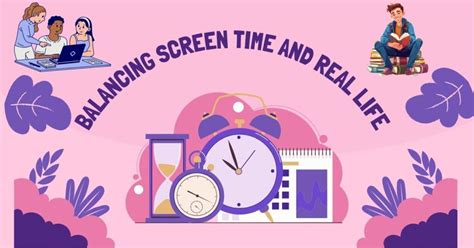
Younger children, especially, benefit from visual reminders. A physical timer or a chart can make limits tangible and less subjective. For older kids, the timer can act as a neutral third party, rather than you being the “bad cop.”
- Kitchen Timers: A simple egg timer can be incredibly effective.
- Digital Timers/Apps: Many smart devices and gaming consoles have built-in timers or parental control apps that can automatically shut down access.

4. Focus on Quality, Not Just Quantity
While time limits are important, also consider what your child is doing online. Is it purely entertainment, or are there educational or creative elements? Discuss the types of games they play and the content they consume. Encourage games that promote problem-solving or creativity.
5. Offer Engaging Alternatives
If children don’t have appealing alternatives, they’ll naturally gravitate back to what’s easy and fun: gaming. Proactively suggest and facilitate other activities.
- Outdoor Play: Bike riding, sports, park visits.
- Creative Pursuits: Drawing, building, reading, playing music.
- Family Time: Board games, cooking together, movie nights.

6. Leverage Parental Control Tools Wisely
Many gaming consoles, devices, and internet routers offer robust parental controls. These can enforce time limits, restrict content, and even schedule downtime. Use these tools as a backup and reinforcement, but always discuss their implementation with your child rather than just imposing them silently.
7. Model Healthy Screen Habits Yourself
Children are keen observers. If they see you constantly on your phone or glued to a screen, your words about limits will carry less weight. Demonstrate balance in your own digital life.
8. Reward Good Behavior and Follow-Through
Positive reinforcement is powerful. Acknowledge and praise your child when they respect the limits, transition smoothly, or choose alternative activities. This makes them feel seen and valued, encouraging continued cooperation.
Navigating Resistance and When Limits Are Broken
Even with the best strategies, resistance will happen. When it does:
- Stay Calm: Reacting with anger escalates the situation.
- Refer to the Agreement: “Remember our family tech contract? What happens when gaming time is over?”
- Enforce Consequences Consistently: If the agreed-upon consequence for breaking a rule is losing screen time the next day, follow through.
- Revisit and Adjust: As children grow, their needs and interests change. Periodically review your family’s screen time rules to ensure they are still appropriate and effective.

Conclusion
Setting healthy screen time limits for gaming is not about cutting off a source of fun, but about fostering balance, responsibility, and overall well-being. By involving your children in the process, being consistent, offering engaging alternatives, and leveraging tools wisely, you can transform potential battles into opportunities for positive communication and healthy digital habits that will serve them well into adulthood. Remember, the goal is not just to control screen time, but to connect with your child and guide them toward a balanced life.