




Practical tips for choosing age-appropriate games & setting healthy screen time limits?
In today’s digital age, navigating the world of video games and screens can feel like a complex challenge for parents. While digital entertainment offers educational benefits and opportunities for connection, ensuring it contributes positively to a child’s development requires a thoughtful approach. This article provides practical tips for selecting age-appropriate games and establishing healthy screen time limits, fostering a balanced and enriching digital experience for your children.
Understanding Age-Appropriate Games
Choosing the right games is about more than just avoiding violence; it’s about finding content that aligns with your child’s cognitive, emotional, and social development. Games that are too complex can lead to frustration, while those that are too simple might fail to engage. More importantly, games with inappropriate themes or content can expose children to concepts they are not ready to process.
Always start by checking official game ratings systems. Organizations like the Entertainment Software Rating Board (ESRB) in North America or the Pan European Game Information (PEGI) in Europe provide clear age recommendations and content descriptors. These ratings offer a quick guide to a game’s suitability, highlighting elements like violence, language, or suggestive themes.

Beyond the Ratings: What to Look For
While ratings are a good starting point, dive deeper into a game’s actual content and mechanics. Look for games that promote critical thinking, creativity, and problem-solving. Educational games can be excellent tools for learning, but even entertainment-focused games can foster valuable skills if chosen wisely.
Consider the level of interactivity. Does the game encourage active participation, or is it more of a passive experience? Games that require strategic thinking, collaboration, or creative expression tend to be more beneficial than those that involve repetitive, non-challenging actions.
Also, pay attention to social interaction within games. Some games offer positive multi-player experiences, teaching teamwork and communication. However, be mindful of games with unregulated online chat features, which can expose children to inappropriate interactions.

Before making a purchase, do your research. Read reviews from other parents or trusted gaming publications. Watch gameplay videos online to get a sense of the game’s atmosphere and challenges. Better yet, play the game yourself or alongside your child to understand its nuances and discuss its themes.
Setting Healthy Screen Time Limits
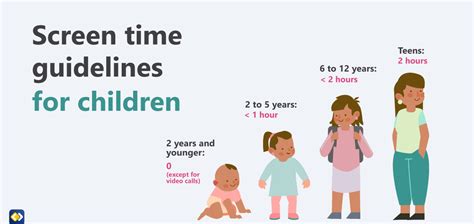
Establishing clear and consistent screen time limits is just as important as selecting appropriate content. Excessive screen time has been linked to issues such as sleep disturbances, decreased physical activity, and potential impacts on social development. The goal isn’t to eliminate screens, but to integrate them into a balanced lifestyle.
The first step is to create a family media plan. This isn’t just about setting limits but also about defining how, when, and where screens are used in your home. Involve your children in this discussion; when they feel part of the decision-making process, they are more likely to adhere to the rules.

Practical Strategies for Limits
- Define Specific Times: Establish clear windows for screen use, such as after homework is done, or for a set period in the afternoon. Avoid screens during meals and at least an hour before bedtime to promote better sleep.
- Use Timers: Digital timers or even simple kitchen timers can be invaluable tools. When the timer goes off, screen time is over. Consistency is key here.
- Designate Screen-Free Zones: Make certain areas of your home, like bedrooms or the dining table, screen-free zones. This encourages face-to-face interaction and other activities.
- Offer Alternatives: Ensure there are plenty of engaging screen-free activities available, such as books, art supplies, board games, or opportunities for outdoor play.

Remember that parents are powerful role models. Be mindful of your own screen habits. If you’re constantly on your phone, your children will naturally mimic that behavior. Lead by example by putting your devices away during family time.
Finally, have ongoing conversations with your children about why these limits are in place. Explain the benefits of physical activity, reading, and spending time with family and friends. Help them understand that digital entertainment is one part of a rich and varied life, not the entirety of it.
Balancing Digital and Real-World Experiences
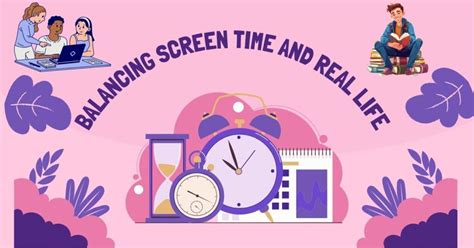
The ultimate goal is to strike a healthy balance. Encourage your children to explore a wide range of interests and activities beyond screens. Foster a love for reading, outdoor adventures, creative arts, and social interactions. A diverse ‘play diet’ is crucial for holistic development.
Conclusion
Choosing age-appropriate games and setting healthy screen time limits are ongoing processes that require active parental involvement and open communication. By staying informed, setting clear boundaries, and modeling good digital habits, you can empower your children to enjoy the benefits of digital entertainment responsibly, ensuring it complements, rather than detracts from, their overall well-being and development.