


How to craft engaging ‘first 30 min’ guides for complex indie games?
Complex indie games often offer unique, deep experiences but can present a significant hurdle for new players. The initial 30 minutes are critical: it’s where players decide if they’re going to stick with your game or drop it. Crafting an engaging ‘first 30 min’ guide isn’t just about dumping information; it’s about artfully onboarding players into a rich world without overwhelming them.
The Challenge: Navigating Initial Complexity
Many indie games push boundaries, introducing novel mechanics, intricate systems, or unconventional narratives. While this innovation is a core appeal, it can also lead to a steep learning curve. Players might feel lost, confused by the UI, or unsure of their immediate objectives. A poorly handled introduction can quickly lead to frustration and uninstallation.
Your ‘first 30 min’ guide needs to be a lifeline, not just a manual. It should gently introduce the core concepts, empowering players to take their first meaningful steps and glimpse the potential depth of your game.

Core Principles for Effective ‘First 30 Min’ Guides
1. Focus on the Absolute Essentials
Resist the urge to explain every single mechanic upfront. What does a player *absolutely need to know* to survive, interact, and understand their immediate goal within the first half-hour? Prioritize movement, basic interaction, the primary objective, and perhaps one unique core mechanic. Everything else can wait.
2. Make it Actionable & Hands-On
Players learn by doing, not just by reading. Your guide should be interwoven with practical tasks and immediate opportunities to apply newly learned concepts. Instead of telling them how to use an item, guide them through using it in a safe, controlled environment. This builds confidence and muscle memory.
3. Be Non-Spoiling & Intriguing
While guiding, avoid revealing major plot points or advanced strategies. The goal is to pique their interest, hinting at the depth and complexity to come without stripping away the joy of discovery. Foster a sense of curiosity that encourages further exploration.
Crafting Your Guide: A Step-by-Step Approach
1. Identify the ‘First Wall’
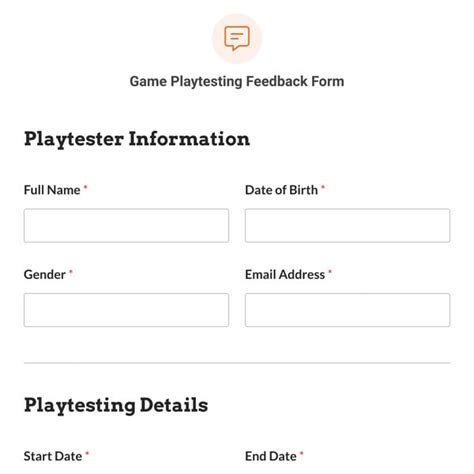
Playtest your game with absolute beginners. Observe where they struggle most in the first 30 minutes. Is it the combat system? Resource management? Navigation? Identifying this primary hurdle will inform where your guide needs the most focus.
2. Prioritize the Core Loop & Survival
Break down the first 30 minutes into critical learning objectives. What’s the main gameplay loop the player will experience? How do they avoid immediate failure? Outline steps like:
- Basic movement and camera control.
- Interacting with the environment (e.g., picking up items, opening doors).
- Understanding the primary objective or quest.
- Basic combat or defensive maneuvers, if applicable.
- Accessing and understanding a simple inventory or skill screen.
3. Structure for Progressive Learning
Present information in small, digestible chunks. Use a linear progression that gradually introduces complexity. Think of it as a guided tour rather than a lecture. Each piece of information should build on the last, leading to a sense of accomplishment.
4. Leverage Visuals and Examples
For complex systems, visuals are indispensable. Use annotated screenshots, short in-game video clips, or clear UI indicators. Show players what to look for and where to click. Visual cues reduce cognitive load significantly.

5. Set Expectations and Encourage Exploration
Conclude your ‘first 30 min’ guide by acknowledging that there’s much more to learn, but that they now have the foundational tools. Encourage them to experiment, explore, and discover the game’s deeper mechanics at their own pace. This empowers players rather than making them feel like they’ve been spoon-fed everything.
Testing and Iteration are Key
A guide is never truly finished until it has been tested by its target audience. Gather feedback from new players. Do they feel less overwhelmed? Are they able to progress independently after 30 minutes? Iterate based on their experiences, refining your explanations and streamlining the onboarding process.
Conclusion: The Gateway to Deeper Engagement
Crafting an engaging ‘first 30 min’ guide for your complex indie game is an investment in your players’ long-term enjoyment and your game’s success. By carefully curating the initial experience, focusing on essentials, and empowering players through hands-on learning, you transform potential frustration into curiosity and a lasting desire to delve deeper into the rich world you’ve created. It’s not just a guide; it’s the gateway to a loyal player base.