



What F2P Gacha red flags indicate predatory monetization tactics?
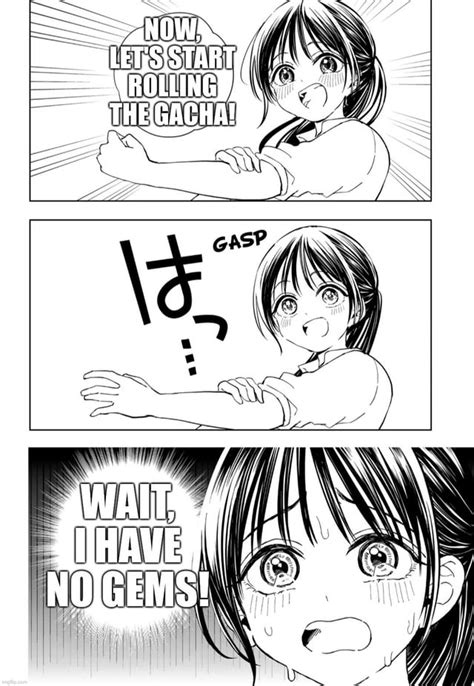
Understanding Predatory Monetization in F2P Gacha Games
The free-to-play (F2P) gacha model has become a dominant force in the mobile gaming landscape, offering immediate access to a vast array of games without an upfront cost. While many F2P titles employ ethical monetization strategies to sustain development, a growing number of games cross the line into predatory tactics, designed to exploit player psychology and coerce spending. Identifying these red flags is crucial for players to protect their wallets and mental well-being.

Manipulative Gacha Mechanics
At the heart of many F2P gacha games is the lottery-like system of pulling for characters or items. Predatory tactics often manifest directly within these mechanics:
- Abysmally Low Pull Rates: While low rates are inherent to gacha, predatory games often feature rates so low that acquiring desirable items is statistically improbable without significant investment, often without clear, accessible disclosure.
- Lack of ‘Pity’ Systems: A ‘pity’ timer guarantees a rare item after a certain number of failed pulls. Its absence or a prohibitively high pity threshold is a red flag, leaving players vulnerable to endless bad luck.
- Rapid Power Creep & ‘Whale Bait’: New, significantly stronger characters or items are introduced frequently, quickly rendering previous top-tier purchases obsolete. This pressures players to constantly spend to keep up.
- False or Misleading Advertising: Promising highly desirable items in banners but making them almost impossible to obtain, or showcasing content that is only accessible through extreme spending.
Confusing and Exploitative Currencies & Pricing
The way in-game economies are structured can be a subtle but powerful tool for manipulation:
- Multiple Premium Currencies: Introducing several layers of premium currencies (e.g., paid gems, free gems, special tokens) makes it difficult for players to compare real-money value and track their spending.
- Inflated Real-Money Prices: High prices for even basic in-game advantages, often disguised within bundles, push players towards larger purchases.
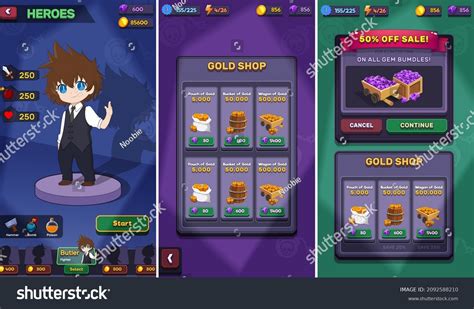
- “Sales” and Bundles Designed for Leftovers: Frequent “limited-time offers” or bundles that are always available, creating false urgency. Many bundles are priced to leave a small, unusable amount of premium currency, subtly encouraging another purchase to ’round up’.
Psychological Exploitation and Player Experience
These tactics prey on human psychology, turning enjoyment into obligation or addiction:
- Fear of Missing Out (FOMO): Limited-time events, exclusive characters, or seasonal items create intense pressure to spend now or lose the opportunity forever.
- Sunk Cost Fallacy: Once players have invested significant time or money, they feel compelled to continue spending to avoid feeling that their previous investment was wasted.
- Aggressive Pay-to-Win (P2W) Mechanics: Game progression, competitive advantage, or even basic enjoyment becomes heavily gated behind real-money purchases. Players who don’t spend are deliberately disadvantaged.
- Endless Grind & Artificial Scarcity: Core progression or resource acquisition is made excessively slow and tedious without spending, forcing players to choose between their time or their money.
- Emotional Manipulation: Exploiting desires for social status, feelings of loneliness (through ‘guild’ systems), or targeting individuals prone to addiction with personalized offers.
![15+ Games Using JavaScript [ Demo + Free Code]](/images/aHR0cHM6Ly90czMubW0uYmluZy5uZXQvdGg/aWQ9T0lQLlVtUUNDak9icXM1U1U2cUZzWEhCaEFIYUQ0JnBpZD0xNS4x.webp)
User Interface and Experience Red Flags
The game’s presentation itself can be a tool for predatory monetization:
- Constant Pop-ups and Aggressive Prompts: Overwhelming players with incessant offers, pop-ups, and notifications that disrupt gameplay and push them towards spending.
- Obscured Drop Rates: Making gacha pull rates difficult to find, buried deep in menus, or presented in a confusing manner.
- Defaults to Expensive Options: In-game stores often default to the most expensive currency packs or item bundles, subtly pushing players towards larger transactions.
Protecting Yourself from Predatory Practices
Identifying these red flags is the first step towards responsible gaming. Players should:
- Research Before You Play: Look up reviews, especially regarding monetization, before investing time or money.
- Set Spending Limits: Establish a strict budget and stick to it. Never spend more than you can comfortably afford to lose.
- Be Wary of Urgency: Don’t fall for “limited-time offers” that create false pressure. Most items return eventually or similar ones are introduced.
- Educate Yourself: Understand the psychological tactics employed by game designers.
- Support Ethical Games: Choose to play and spend on games that respect their player base with fair, transparent, and non-exploitative monetization.
By remaining vigilant and informed, players can enjoy the F2P gacha experience without falling prey to manipulative and predatory monetization tactics.