


Give specific methods for finding overlooked indie hidden gems, ensuring quality and value.

The Thrill of the Undiscovered: Why Hunt for Indie Gems?
In a gaming landscape saturated with AAA blockbusters, the true magic often lies within the indie sphere. These are the games crafted with passion, innovation, and a unique vision, often pushing boundaries that larger studios can’t or won’t. Finding an overlooked indie hidden gem isn’t just about saving money; it’s about experiencing fresh perspectives, supporting independent creators, and discovering genuinely groundbreaking mechanics or narratives that resonate deeply. But how do you sift through the vast digital storefronts and crowded indie marketplaces to unearth these diamonds in the rough?

Strategic Scouting: Where to Begin Your Search
Niche Communities and Forums
Start your quest where passionate players and developers converge. Subreddits like r/Games, r/IndieGaming, r/ShouldIbuythisgame, and even genre-specific communities (e.g., r/RPGMaker, r/Metroidvania) are goldmines. Discord servers dedicated to specific indie genres, developers, or even game jams often feature discussions about obscure titles. Look for recurring recommendations or enthusiastic posts about games with low player counts but high praise.
Curator Networks and Micro-Influencers
While mainstream reviewers focus on popular releases, a host of smaller YouTube channels, Twitch streamers, blogs, and Steam curators specialize in uncovering hidden indie games. Seek out channels with a track record of featuring lesser-known titles, paying attention to their review methodologies. These individuals often possess a keen eye for quality and are less swayed by marketing budgets.
Platforms like Itch.io and Game Jolt are veritable playgrounds for experimental and early-stage indie games. Diving into game jam entries or exploring newly uploaded titles can lead to surprising discoveries. Similarly, keeping an eye on early access games on Steam or GOG, especially those with active developer communities, can reveal burgeoning masterpieces before they hit the mainstream.

Vetting for Quality: Separating Gems from Junk
Developer Engagement and Track Record
A committed developer is often a sign of a quality game. Look for active communication on social media, forums, or Discord. Do they respond to feedback? Are they transparent about development? Investigating their past projects, even small ones, can offer insights into their capabilities and dedication.
Gameplay Footage and Demos
Never rely solely on screenshots or written descriptions. Always watch raw gameplay footage (not just trailers) and, if available, play the demo. This is the most direct way to assess core mechanics, art style, UI/UX, and overall feel. A well-crafted demo indicates confidence in the game’s foundation.
While often scarce for truly hidden gems, early player reviews on storefronts or within niche communities can provide valuable, unfiltered perspectives. Pay attention to common complaints and praises. A small number of overwhelmingly positive reviews from dedicated players can be more telling than hundreds of mixed opinions.

Assessing Value: Is It Worth Your Time and Money?
Price Point vs. Content and Replayability
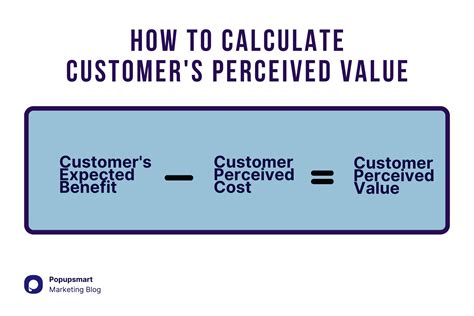
Value isn’t just about a low price; it’s about the experience relative to its cost. A short, impactful narrative game might be excellent value at $10, while a longer, repetitive one at the same price might not. Consider the expected playtime, potential for replayability (e.g., multiple endings, procedural generation, mod support), and the depth of its systems.
Uniqueness and Innovation
A true hidden gem often offers something you haven’t seen before. Is there a novel mechanic, a compelling art style, a fresh narrative approach, or a unique blend of genres? Games that dare to be different often deliver the most memorable experiences.
Personal Resonance and Niche Appeal
Ultimately, value is subjective. A game that perfectly caters to your specific tastes, even if it’s niche, will hold immense value for you. Understand your own preferences and be willing to take a chance on games that align with them, even if they don’t have widespread appeal.
The Rewarding Hunt: Final Tips for the Savvy Discoverer
The journey to find overlooked indie hidden gems requires patience, an open mind, and a willingness to explore beyond the usual recommendations. Be prepared to try demos, watch countless gameplay videos, and engage with smaller communities. The reward is a gaming experience that feels uniquely yours, a discovery you can genuinely champion, and the satisfaction of knowing you’ve supported the creative spirit of independent game development.