




How to find engaging mobile games that aren’t predatory pay-to-win?

Navigating the Mobile Gaming Minefield
The mobile gaming landscape is vast, offering countless hours of entertainment right in your pocket. However, it’s also notorious for its ‘pay-to-win’ (P2W) mechanics, where progress is often gated behind aggressive microtransactions, turning fun into a frustrating chore. For many players, the dream is to find engaging experiences that respect their time and wallet. The good news is, they exist! It just requires a more discerning approach.

Understanding Predatory Monetization
Before you can avoid P2W games, it helps to know what to look for. Common red flags include:
- Energy Systems: Limiting play sessions unless you pay for ‘refills’.
- Gacha Mechanics: Random draws for powerful items or characters, often requiring significant spending for desired outcomes.
- Aggressive Pop-ups: Constant offers and sales interrupting gameplay.
- Mandatory Ads: Too many unskippable ads that impede progress unless you pay for ad-free versions.
- “Whale” Hunting: Game design that targets a small percentage of big spenders to generate most of its revenue.
Conversely, games with fair monetization often offer cosmetic items, expansion packs, or a one-time purchase for the full game, without hindering core gameplay for free players.
Where to Begin Your Search: App Store Clues
Your journey often starts in the app stores. Here’s how to filter your search:
- Check the Price Tag: Paid games (even a few dollars) often offer a complete experience upfront, making them less likely to rely on P2W.
- Read Reviews & Ratings: Look beyond the star rating. Dive into recent reviews. Players are usually vocal about P2W elements. Filter by ‘most critical’ or ‘most recent’ to catch emerging issues.
- Developer Reputation: Research the developers. Do they have a history of fair monetization, or are they known for aggressive tactics?
- Game Description & Screenshots: Look for keywords like “free to play” combined with promises of “endless grind” or “rare items.” The absence of in-app purchase details can sometimes be a good sign, or a cleverly hidden one.

Beyond the Store: Community and Curation
The best recommendations often come from fellow players and trusted sources:
- Gaming Subreddits & Forums: Communities like r/mobilegaming, r/AndroidGaming, and r/iosgaming often have dedicated threads or wikis for non-P2W recommendations. Users actively discuss and review new releases.
- Specialized Websites & Blogs: Many sites focus on indie games or curating lists of premium mobile experiences. Look for articles titled “Best premium mobile games” or “Games with no IAPs.”
- YouTube Channels & Streamers: Some content creators specialize in mobile game reviews, often highlighting games that respect the player.
Genres That Tend to Be Less Predatory
While P2W can infest any genre, some are historically safer bets:
- Premium RPGs & Adventure Games: Many classic PC/console RPGs have excellent mobile ports (e.g., Final Fantasy series, KOTOR, Stardew Valley). These are usually a one-time purchase.
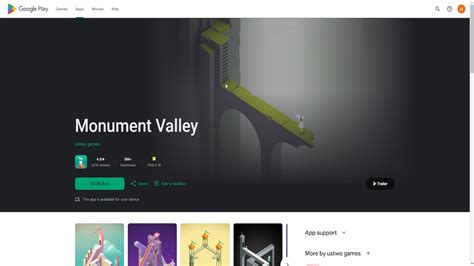
- Puzzle Games: Often designed for mental challenge, many puzzle games (e.g., Monument Valley, The Room series) offer a complete experience for a set price.
- Strategy Games (Paid): While many free-to-play strategy games are P2W, premium titles often provide deep gameplay without requiring constant spending.
- Card Games (Non-Collectible): Games like Slay the Spire or Reigns offer a full experience without the endless chase for new cards found in collectible card games.
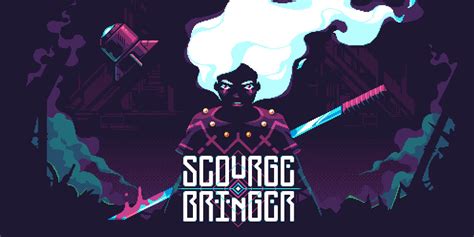
- Indie Games: Smaller developers often prioritize unique gameplay and artistic vision over aggressive monetization.
Your Personal Checklist for Evaluating a Game
When you’ve found a promising title, give it a quick check:
- Trial Period: If it’s free, play for an hour or two. Are you hitting paywalls? Does progress slow to a crawl without spending?
- In-App Purchase (IAP) List: Look at the IAP list on the app store page. Are items purely cosmetic, or do they offer significant gameplay advantages? How expensive are the IAPs?
- Offline Play: Does the game function offline? This can sometimes be an indicator of less reliance on constant server-side checks for monetization.
- Developer Communication: Are developers active in their community? Do they address concerns about monetization, or deflect them?
Conclusion: Play Smart, Not Hard
Finding truly engaging mobile games that aren’t predatory pay-to-win is entirely possible with a bit of research and a critical eye. By understanding common monetization pitfalls, leveraging community insights, and prioritizing developers with a good track record, you can reclaim your mobile gaming experience from the clutches of aggressive microtransactions. The mobile platform has incredible potential for fun and innovation; it’s up to us to seek out and support the games that honor that potential.