




How to pick age-appropriate games & manage kids’ screen time?

In today’s digitally saturated world, video games and digital entertainment are an undeniable part of most children’s lives. While they offer avenues for learning, creativity, and social interaction, parents often grapple with two significant challenges: ensuring their children play age-appropriate games and effectively managing screen time. Finding the right balance is crucial for fostering healthy development and preventing potential pitfalls.
Understanding the Importance of Age-Appropriate Games
Just as we select books and movies based on a child’s developmental stage, the same care should be applied to video games. Games designed for older audiences can expose younger children to complex themes, violence, or mature content they are not emotionally or cognitively ready to process. Conversely, age-appropriate games can enhance problem-solving skills, hand-eye coordination, strategic thinking, and even social skills through collaborative play.
- Cognitive Development: Games aligned with a child’s age can stimulate their brains in positive ways, teaching new concepts and skills.
- Emotional Well-being: Inappropriate content can cause anxiety, confusion, or fear, impacting a child’s emotional stability.
- Behavioral Impact: Exposure to certain themes might influence a child’s behavior or perception of the world.

Strategies for Picking the Right Games
Choosing suitable games doesn’t have to be a guessing game. There are several resources and approaches parents can utilize:
1. Utilize Rating Systems
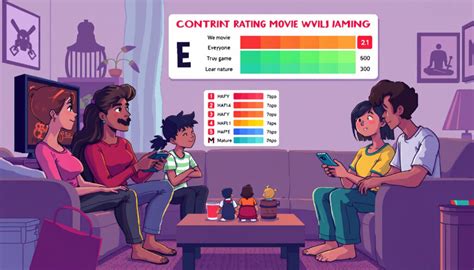
Familiarize yourself with industry rating systems like the Entertainment Software Rating Board (ESRB) in North America or Pan European Game Information (PEGI) in Europe. These systems provide age recommendations and content descriptors (e.g., violence, language, drug reference) that offer a quick overview of a game’s suitability.
2. Research and Read Reviews
Before purchasing or downloading, look up reviews from reputable parenting sites, gaming publications, and even other parents. Websites like Common Sense Media offer detailed reviews, including educational value, positive messages, and potential negative aspects.
3. Watch Gameplay or Play Together
The best way to understand a game is often to see it in action. Watch gameplay videos on platforms like YouTube or, better yet, play the game alongside your child. This gives you first-hand insight into the mechanics, themes, and overall experience.
4. Consider Educational Value and Skill Development
Many games are designed to be educational, teaching subjects like math, reading, coding, or history. Others might foster creativity, strategic thinking, or teamwork. Look for games that align with your child’s interests and developmental goals.

Effective Screen Time Management
Once you’ve ensured the games are appropriate, the next hurdle is managing how much time your child spends playing them. The goal isn’t necessarily to eliminate screen time but to create a healthy, balanced digital diet.
1. Establish Clear Rules and Limits
Set consistent daily or weekly screen time limits that are appropriate for your child’s age. Discuss these rules with your children so they understand the expectations. Consider ‘screen-free’ zones or times, such as during meals or before bedtime.
2. Create a Family Media Plan
Work together as a family to create a media plan that outlines screen time rules, content choices, and online etiquette. This fosters a sense of shared responsibility and accountability. The American Academy of Pediatrics offers useful templates for this.

3. Encourage a Balance of Activities
Ensure screen time doesn’t replace other essential activities like outdoor play, reading, creative arts, homework, family time, and sufficient sleep. Actively encourage and participate in these alternative activities.
4. Leverage Parental Controls and Device Settings
Most devices, gaming consoles, and operating systems offer robust parental control features. Use these to set time limits, restrict access to certain content, prevent in-app purchases, and monitor activity. These tools are allies in enforcing your family’s rules.
5. Be a Role Model
Children learn by observing. Demonstrate healthy screen habits yourself. Limit your own non-essential screen use, especially when spending time with your children, and show them how to engage thoughtfully with digital media.
6. Foster Open Communication
Regularly talk to your children about their online experiences. Ask them what games they’re playing, what they like about them, and who they are interacting with. This opens lines of communication and allows you to address any concerns proactively.

Conclusion: Finding the Right Balance
Picking age-appropriate games and managing screen time effectively are ongoing tasks for modern parents. By being informed, setting clear boundaries, utilizing available tools, and fostering open communication, you can help your children navigate the digital world safely and constructively. The goal is not to demonize technology but to integrate it mindfully into a balanced and enriching childhood experience, preparing them to be responsible digital citizens.