


How to avoid predatory F2P gacha monetization traps effectively?

Free-to-play (F2P) gacha games have become a dominant force in the mobile gaming landscape, offering captivating experiences often without an upfront cost. However, beneath the surface of engaging gameplay and attractive character art lies a complex monetization system designed to encourage spending. For many, this leads to an enjoyable, free, or reasonably priced hobby. For others, it can become a financial pitfall. Understanding and actively avoiding these predatory monetization traps is crucial for a healthy gaming experience.

Understanding the Allure and the Traps
Gacha games draw players in with their accessibility and the thrill of collecting rare characters or items. The core mechanic, similar to Japanese capsule toy machines (gashapon), involves spending in-game currency (often bought with real money) for a random chance at desired rewards. While this can be exciting, developers often employ sophisticated psychological tactics to nudge players towards spending more than they intend.
Common Predatory Tactics:
- Fear of Missing Out (FOMO): Limited-time banners, seasonal events, and exclusive characters create urgency, pressuring players to spend now or miss out forever.
- Sunk Cost Fallacy: The more time and money invested, the harder it is for players to quit, leading them to spend more in hopes of recouping their “investment” or finally getting what they want.
- Skinner Box Mechanics: Variable reward schedules (random drops) are highly addictive, encouraging repeated attempts for that elusive win, much like slot machines.
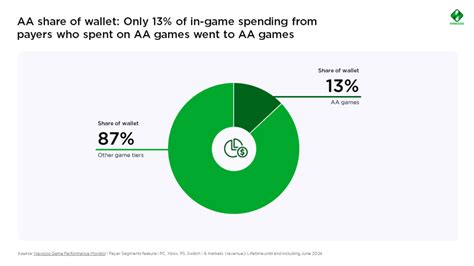
- Whale Hunting: A small percentage of “whale” players generate a significant portion of revenue. Game design often caters to these high-spenders, making it difficult for free or low-spending players to keep up without substantial investment.
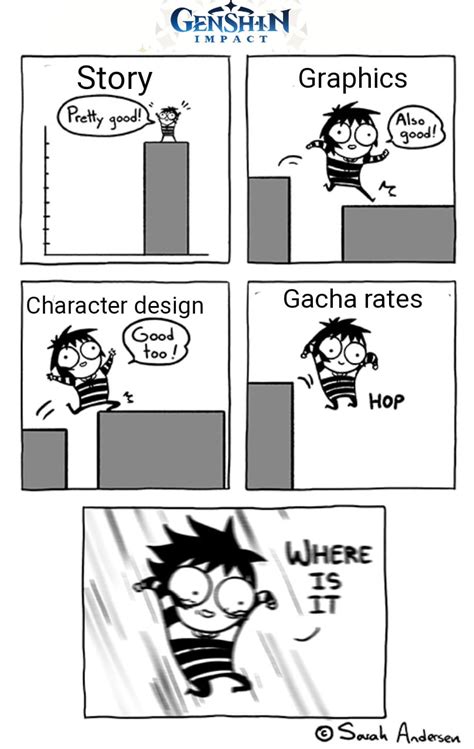
- Obscured Odds & Currencies: Drop rates can be extremely low, and games often feature multiple layers of virtual currencies, making it hard to track real-money value and spending.
Effective Strategies for Effective Avoidance
Navigating the gacha landscape safely requires a proactive approach and a strong understanding of your own spending habits. Here are key strategies to protect yourself from predatory monetization.
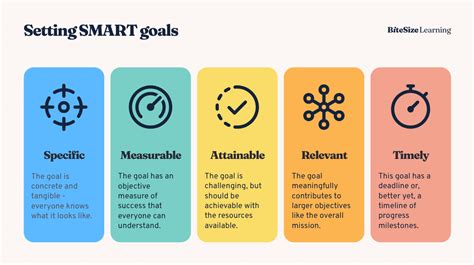
1. Set Strict Budgets and Stick to Them
Before you even download a new gacha game, decide how much, if anything, you are willing to spend each month. Treat this budget as a hard limit, not a suggestion. Many games offer in-app purchase limits; utilize these features if available. If you find yourself consistently going over budget, it’s a clear sign to re-evaluate your relationship with the game.
2. Prioritize Gameplay Over Collection
Shift your focus from “collecting everything” to “enjoying the game.” Most gacha games can be enjoyed and even completed with free or easily obtainable characters. Focus on optimizing your existing roster rather than constantly chasing the latest meta unit. Remember, rarity does not always equate to necessity for enjoyment.
3. Research Drop Rates and Value
Before spending any money, always check the published drop rates for desired items or characters. Understand the actual probability of getting what you want. Furthermore, assess the actual value of a purchase. Is that $10 pack truly worth it, or are you just buying into a temporary boost that will quickly become obsolete?
4. Avoid Impulse Purchases
Predatory design often triggers emotional spending. Resist the urge to buy immediately when a new banner drops, or when you’re feeling frustrated after a string of bad pulls. Give yourself a 24-hour cooling-off period before making any purchase. Often, the desire will pass, or you’ll realize it wasn’t worth it.

5. Utilize Free Resources Wisely
F2P games provide ample free currency and resources through daily logins, events, and in-game achievements. Be strategic about how you spend these. Save up for banners that feature characters you truly desire or that significantly enhance your gameplay, rather than spending on every new release.
6. Know When to Walk Away
Perhaps the most important strategy is recognizing when a game is no longer fun or healthy for you. If a game causes stress, financial strain, or consumes too much of your time, it’s time to take a break or uninstall it entirely. Your well-being is more important than any virtual collection.

Cultivating a Resilient Mindset
Beyond specific actions, developing a resilient mindset is key. Regularly ask yourself:
- Am I playing this game for genuine enjoyment, or because I feel compelled to?
- Does spending money in this game genuinely enhance my happiness, or just provide a fleeting thrill?
- Am I comfortable with the amount of time and money I’m investing?
Connecting with other F2P or low-spending players in online communities can also provide support and alternative strategies, reinforcing the idea that you don’t need to spend heavily to enjoy these games.

Conclusion
F2P gacha games can be a source of immense entertainment, but their sophisticated monetization models require players to be vigilant and disciplined. By understanding the psychological traps, setting clear financial boundaries, prioritizing enjoyment over collection, and cultivating a mindful approach, you can effectively avoid predatory monetization and ensure your gaming remains a healthy, enjoyable hobby rather than a financial burden. Stay informed, stay disciplined, and most importantly, stay in control of your spending.