


How can parents use gaming controls for age-appropriate play and screen time?

In today’s digital age, video games are an integral part of many children’s lives. While gaming offers numerous benefits, from problem-solving skills to social interaction, it’s crucial for parents to ensure a safe and balanced experience. Fortunately, most gaming platforms and devices offer robust parental controls designed to help manage what, when, and how long children play. Understanding and utilizing these tools is key to fostering age-appropriate play and healthy screen time habits.
Understanding the Power of Parental Controls
Parental controls are not about restricting fun; they are about setting boundaries that protect children and promote healthy digital habits. These built-in features allow parents to customize their child’s gaming environment, ensuring they are exposed only to content suitable for their age and that their screen time is managed effectively. From filtering violent games to preventing unauthorized purchases, these controls are your first line of defense.

Setting Up Age-Appropriate Gaming Experiences
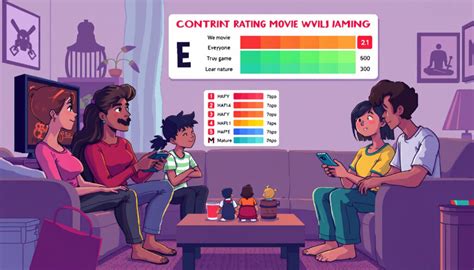
One of the primary functions of parental controls is to help parents enforce age-appropriate content. Every game carries a rating (e.g., ESRB in North America, PEGI in Europe) that indicates its suitability for different age groups. Parental controls allow you to set a maximum age rating for games that your child can access, automatically blocking titles that exceed this limit.
- Content Filtering: Restrict access to games based on their age rating, preventing exposure to mature themes, violence, or explicit language.
- Communication Restrictions: Manage or block in-game chat and online interactions with strangers to protect children from cyberbullying or inappropriate contact.
- Purchase Limits: Prevent unauthorized in-game purchases or restrict spending to a specific budget, avoiding unexpected bills.

Effective Screen Time Management
Beyond content, managing screen time is a common concern for parents. Excessive gaming can impact sleep, school performance, and physical activity. Parental controls offer various tools to help establish and enforce healthy screen time limits:
- Time Limits: Set daily or weekly limits on how long your child can play, ensuring they don’t spend too much time in front of the screen.
- Play Schedules: Designate specific times of the day when gaming is allowed, for example, only after homework is done or before bedtime.
- Break Reminders: Some systems can be configured to remind children to take breaks after a certain period of play, promoting eye health and physical movement.

Platform-Specific Controls: Where to Find Them
The method for setting up parental controls varies depending on the platform:
- Gaming Consoles (PlayStation, Xbox, Nintendo Switch): Most console settings can be accessed directly on the device or through a companion mobile app. These often link to family accounts where you can manage individual child profiles.
- PC Gaming (Steam, Epic Games Store): Digital storefronts and operating systems (Windows, macOS) offer their own family settings, content restrictions, and time management tools.
- Mobile Devices (iOS, Android): Built-in ‘Screen Time’ (iOS) or ‘Digital Wellbeing’ (Android) features allow comprehensive control over app usage, content, and device access.
It’s advisable to check the official support pages for your specific devices and platforms for detailed, step-by-step instructions. Many offer intuitive dashboards that make setup straightforward.

Communication and Consistency: The Ultimate Controls
While technical controls are powerful, they work best when combined with open communication and consistent enforcement. Talk to your children about why these rules are in place, explaining the importance of balance and safety. Involve them in setting some of the rules (where appropriate for their age) to foster a sense of ownership and understanding. Be consistent in applying the rules, as this reinforces boundaries and helps children internalize healthy habits.
Using gaming controls effectively allows parents to create a safe, enjoyable, and educational gaming environment for their children. By understanding the tools available and combining them with thoughtful parenting, you can guide your children towards a balanced and positive relationship with digital play.