




What are effective family gaming rules for balancing screen time & chores?

Navigating the Digital Playground: Why Rules Matter
In today’s digitally immersive world, video games offer incredible opportunities for fun, learning, and connection. However, the allure of the screen can often overshadow essential responsibilities, leading to a constant tug-of-war between family members. For parents, striking the right balance between screen time and household chores isn’t just about discipline; it’s about fostering responsible digital citizenship and a contributing spirit within the family unit.
Establishing clear, consistent rules is not about restricting fun, but about teaching moderation, prioritizing responsibilities, and ensuring that children develop a well-rounded life experience that includes physical activity, creative play, social interaction, and contributing to the household.

Foundations of Effective Family Gaming Rules
Before diving into specific rules, it’s vital to lay a strong foundation. Effective family rules are:
- Collaborative: Involve your children in the rule-making process. When kids have a say, they’re more likely to understand and adhere to the rules.
- Clear and Concise: Avoid ambiguity. Everyone should know exactly what is expected.
- Consistent: Rules lose their power if they are not consistently enforced.
- Positive: Frame rules around what children can do, rather than solely what they cannot.
- Flexible: As children grow and circumstances change, rules may need to be adjusted.
Practical Rules for Balancing Screen Time
1. Earned Screen Time: Chores First
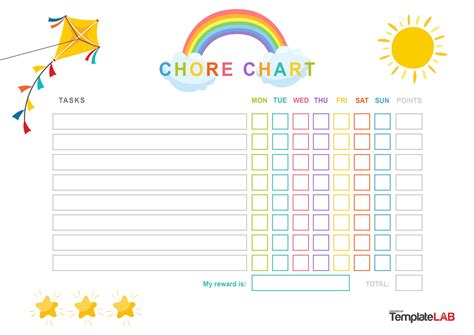
One of the most effective strategies is making screen time a privilege that must be earned. Before controllers are picked up or tablets are powered on, age-appropriate chores should be completed. This direct link helps children understand the concept of responsibility and reward. Create a chore chart and clearly define what needs to be done each day or week.
2. Set Clear Time Limits
Define specific durations for gaming sessions. This could be daily limits (e.g., 60 minutes on weekdays, 90 minutes on weekends), or per-session limits (e.g., 30 minutes at a time with a break). Use timers and external cues to help children manage their time. Remember to factor in other screen activities like educational apps or schoolwork.
3. Designate Tech-Free Zones and Times
Establish areas or periods where screens are off-limits. Common examples include:
- Meal times: Encourage family conversation without digital distractions.
- Bedrooms (especially overnight): Promote better sleep hygiene.
- Homework time: Minimize distractions during study.

4. Age-Appropriate Content and Parental Controls
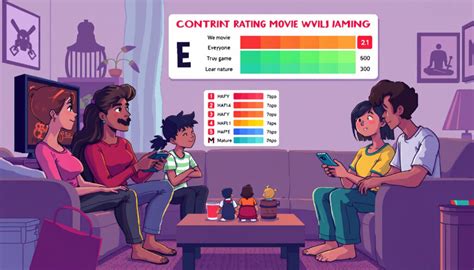
Beyond time limits, it’s crucial to monitor the content children are accessing. Utilize parental control features on consoles, devices, and internet services to block inappropriate games or websites. Have open conversations about what games are suitable and why.
Integrating Chores: Beyond the Chart
While a chore chart is a great starting point, integrating chores goes deeper:
- Connect to Family Contribution: Explain that chores are not just tasks, but ways everyone contributes to the smooth running of the household.
- Teach Life Skills: Chores are invaluable for teaching practical life skills, from organization to cooking.
- Natural Consequences: If chores aren’t done, screen time (or other privileges) is reduced or delayed. Avoid making screen time the only consequence, but it can be a powerful motivator.

Flexibility, Review, and Open Communication
What works for a 7-year-old might not work for a 14-year-old. Regularly review your family’s gaming and chore rules, perhaps quarterly or at major life transitions (e.g., starting a new school year). Engage in open and honest conversations with your children about their experiences, challenges, and ideas for improvement. This shows respect and encourages them to take ownership of their responsibilities.

Conclusion: Fostering a Balanced Home
Balancing screen time and chores is an ongoing journey, not a one-time fix. By establishing clear, consistent, and collaborative rules, parents can guide their children towards healthy digital habits, a strong work ethic, and a deeper understanding of their role within the family. The ultimate goal is to foster a balanced home environment where technology serves to enhance life, rather than dominate it, and where every family member contributes to shared well-being.