
How can beginner game guides avoid overwhelming new players with too much detail?
When new players dive into a complex game, the last thing they need is a guide that dumps an entire encyclopedia on their lap. The goal of a beginner guide isn’t to teach everything, but rather to provide a clear, gentle ramp into the core experience. Overloading newcomers with too much detail can lead to frustration and even cause them to abandon the game altogether. So, how can we craft guides that inform without overwhelming?
Prioritize Core Mechanics and Essentials
The golden rule for beginner guides is to focus exclusively on what players absolutely need to know to get started and enjoy the initial hours. Distinguish between ‘need-to-know’ and ‘nice-to-know’ information. Core mechanics, basic controls, the primary objective, and how to progress through the very first stages are paramount. Advanced strategies, optimal builds, and deep lore can wait for later guides or be presented as optional reads.
Introduce concepts gradually. Think of the guide as a series of lessons, each building upon the last. Don’t explain every possible interaction in the first chapter. Instead, explain just enough for the player to successfully complete their current task or understand the immediate challenge.
Use Visuals and Practical Examples Extensively
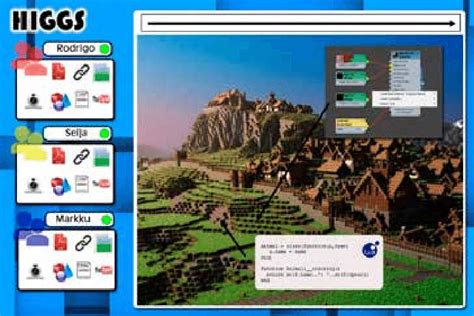
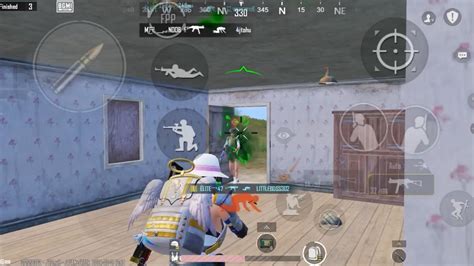
Text-heavy guides can be daunting. Visual aids are incredibly powerful for conveying information quickly and clearly. Screenshots with highlighted areas, simple diagrams, or even conceptual images can illustrate a point far more effectively than paragraphs of text. When explaining a mechanic, don’t just describe it; show it in action.
Practical examples grounded in the game’s early experience help players connect the guide’s advice to their actual gameplay. Instead of saying, ‘Use your healing spell,’ show a screenshot of a character with low health, an arrow pointing to the healing spell icon, and a brief caption explaining when and how to use it in that specific context.
Structure for Scannability and Easy Navigation
A well-structured guide is a digestible guide. Employ clear headings and subheadings to break up content into logical sections. Use bullet points and numbered lists for steps or key takeaways, as these are much easier to scan than dense paragraphs. Bold important terms or actions to draw the reader’s eye to critical information.
Keep paragraphs short and to the point. Each paragraph should ideally convey one main idea. Furthermore, consider a table of contents or quick navigation links at the top of the guide, especially for longer introductory pieces, allowing players to jump directly to topics they’re struggling with.

Encourage Hands-On Learning and Practice
The best way to learn a game is by playing it. A beginner guide should complement this, not replace it. Rather than listing every possible outcome or scenario, guide players through initial situations and then encourage them to experiment. For instance, after explaining basic combat, suggest they try a few practice encounters to get a feel for the controls themselves.
Integrate the guide with the game’s natural progression. If the game has a tutorial area, the guide can reinforce or expand upon those initial lessons, rather than re-explaining them from scratch. Focus on foundational skills that players can then build upon independently.

Embrace Progressive Disclosure
Not all information needs to be front and center. Progressive disclosure is a design principle where you reveal information only as the user needs it or requests it. In a guide, this means keeping the main body lean and focused on the basics. If there are advanced strategies, lore details, or intricate mechanics that some players might want to explore, link to separate, more detailed articles or sections.
Phrases like ‘For advanced tips on XYZ, see our other guide here’ or ‘You’ll unlock more complex abilities later, but for now, focus on ABC’ are excellent ways to acknowledge deeper content without forcing it upon the beginner. This empowers players to seek out more information only when they feel ready, preventing immediate overwhelm.
Conclusion
Crafting an effective beginner game guide is an art of restraint. It’s about empowering new players to take their first confident steps without drowning them in a sea of data. By prioritizing essentials, leveraging powerful visuals, structuring content for scannability, and thoughtfully employing progressive disclosure, we can create guides that are not just informative, but genuinely helpful and inviting, fostering a positive first impression and encouraging players to delve deeper into the game world.