




How to pick the best age-appropriate video games for my child?

In today’s digital age, video games are a ubiquitous part of childhood. While they can offer immense educational, social, and developmental benefits, selecting the right ones can feel like a daunting task for parents. Ensuring games are age-appropriate is crucial for fostering positive experiences and avoiding content that might be overwhelming or unsuitable. Here’s a comprehensive guide to help you make informed decisions.
Understand Game Rating Systems
The first and most critical step is to familiarize yourself with the official game rating systems. These systems are designed to provide parents with objective information about game content and age suitability.
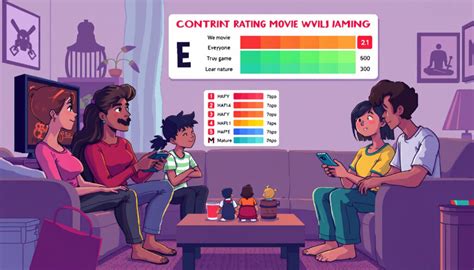
- ESRB (Entertainment Software Rating Board): Predominant in North America, ESRB ratings like ‘E’ (Everyone), ‘E10+’ (Everyone 10+), ‘T’ (Teen), ‘M’ (Mature), and ‘AO’ (Adults Only) indicate general age recommendations. Crucially, pay attention to the Content Descriptors, which detail specific elements such as ‘Violence,’ ‘Language,’ ‘Suggestive Themes,’ or ‘In-Game Purchases.’
- PEGI (Pan European Game Information): Used across Europe, PEGI ratings (3, 7, 12, 16, 18) are similar in principle, with accompanying descriptors for violence, bad language, fear, sex, drugs, discrimination, gambling, and in-game purchases.
- Other Regional Systems: Be aware of other systems like CERO in Japan or ACB in Australia, depending on where you reside or where games are purchased.
These ratings are not just about violence; they cover a spectrum of content that might be emotionally or cognitively challenging for younger children. Always check both the age recommendation and the content descriptors.

Consider Your Child’s Developmental Stage and Interests
While rating systems provide a general guideline, every child is unique. Their individual maturity level, sensitivities, and interests should play a significant role in your decision-making process.
- Cognitive Development: Can your child understand complex narratives, solve intricate puzzles, or grasp abstract concepts presented in the game? Younger children often benefit from simpler mechanics and clear objectives.
- Emotional Maturity: Some children are more sensitive to intense themes, jump scares, or competitive pressure. Assess whether your child is emotionally ready for the game’s tone and potential frustrations.
- Personal Interests: Does your child enjoy building and creativity (e.g., Minecraft), problem-solving (e.g., puzzle games), social interaction (e.g., cooperative multiplayer), or action and adventure? Aligning games with their existing interests can enhance engagement and learning.
- Social Impact: Consider games that promote positive social skills, cooperation, and teamwork if those are areas you wish to encourage.

Do Your Research: Beyond the Box
The game box or digital storefront description only tells part of the story. Active research is key to truly understanding a game’s content and play experience.
- Watch Gameplay Videos: YouTube and Twitch are invaluable resources. Watching gameplay footage allows you to see the graphics, mechanics, themes, and overall atmosphere firsthand. Look for ‘no commentary’ gameplay to get an unbiased view.
- Read Reviews: Consult reputable gaming review sites (e.g., IGN, GameSpot, Common Sense Media, Parents’ Choice Foundation) that often include dedicated sections for parental concerns. User reviews can also offer insights, but be mindful of biases.
- Talk to Other Parents: Friends, family, or online parent forums can provide real-world perspectives on how children of similar ages reacted to specific games.
- Play It Yourself: If possible, play the game for a short period. This is the most direct way to assess its suitability and understand its challenges and appeal.

Balance and Involvement: Play Together and Set Limits
Even with the perfect game, parental involvement and setting healthy boundaries are essential for a positive gaming experience.
- Play Together: Join your child in their gaming world. This not only allows you to monitor content directly but also creates bonding opportunities, helps you understand their interests, and opens doors for discussion about themes or challenges within the game.
- Set Screen Time Limits: Establish clear, consistent rules for how long and when your child can play. This prevents excessive gaming and ensures balance with other activities like homework, outdoor play, and family time.
- Communicate Openly: Talk to your child about the games they play. Ask them what they enjoy, what challenges they face, and if anything makes them uncomfortable. Encourage them to come to you with any concerns.
- Monitor Online Interactions: Many games have online multiplayer components. Ensure your child understands internet safety, privacy settings, and how to report or block inappropriate behavior or communication. Consider games that allow for private lobbies with trusted friends.

Look Out for Hidden Costs and Addiction Potential
Beyond content, be aware of other aspects of modern gaming.
- In-Game Purchases (Microtransactions): Many free-to-play and even full-priced games include options for purchasing virtual items, currency, or cosmetic upgrades. Discuss these with your child and consider setting parental controls or disabling these features to prevent unexpected costs.
- Addiction and Excessive Play: While not every child will develop an addiction, some games are designed to be highly engaging and encourage continuous play. Watch for signs of excessive gaming, such as neglecting schoolwork, sleep, or social interactions. Maintaining open communication and consistent limits is key.
Choosing the best age-appropriate video games for your child requires a combination of research, understanding, and active parental involvement. By using rating systems, considering your child’s unique needs, doing your homework, and fostering open communication, you can help ensure their gaming experiences are not only safe but also enriching and enjoyable.