Which mobile F2P games offer fair monetization without aggressive tactics?
The Free-to-Play (F2P) model dominates the mobile gaming landscape, offering instant access to entertainment without an upfront cost. However, this model often comes with a significant caveat: aggressive monetization tactics. Players frequently encounter intrusive ads, paywalls, loot boxes with abysmal odds, and mechanics designed to pressure them into spending. Yet, amidst this common practice, a growing number of developers are proving that F2P games can thrive with ethical, player-friendly monetization strategies. These games prioritize long-term engagement and player satisfaction over short-term revenue spikes.
Defining Fair Monetization in F2P Mobile Games
Fair monetization in a Free-to-Play game means that the core game experience is enjoyable and accessible without spending money. Purchases should be entirely optional, offering cosmetic enhancements, convenience, or accelerating progress rather than gating essential content or power. Key indicators include a focus on cosmetic items, clear value propositions for purchases, generous in-game currency generation, and the absence of pay-to-win mechanics that give paying players an insurmountable advantage.
Games Exemplifying Cosmetic-Focused Monetization
Many of the best examples of fair monetization come from games where all purchases are purely cosmetic, having no impact on gameplay balance or progression. These titles allow players to express themselves while ensuring everyone competes on an even playing field.
Teamfight Tactics Mobile
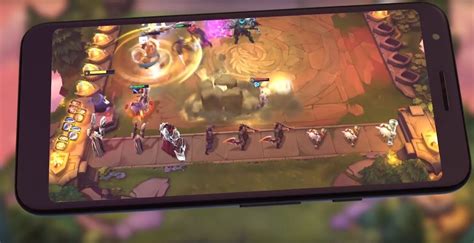
Riot Games’ auto-battler, Teamfight Tactics (TFT) Mobile, is a shining example. All gameplay units, synergies, and strategies are entirely free. Monetization revolves around ‘Little Legends’ (your in-game avatar), arena skins, and Battle Passes that offer more cosmetic items and Little Legends. There is absolutely no way to spend money to gain a gameplay advantage, making it a truly skill-based experience for all players.
Brawl Stars
Supercell has a reputation for creating engaging mobile titles, and Brawl Stars is one of their most player-friendly. Characters (Brawlers) are unlocked through regular gameplay progression, and while players can purchase gems to speed up this process or acquire cosmetic skins, the core experience is fully accessible. Battle Passes offer excellent value for those who choose to buy them, but the progression system is generous enough for free players to unlock a substantial roster over time.
Games with Accessible Progression and Value
Other titles manage to incorporate more traditional F2P elements, like character collection or card acquisition, while still maintaining a fair and enjoyable experience for those who choose not to spend.
Marvel Snap
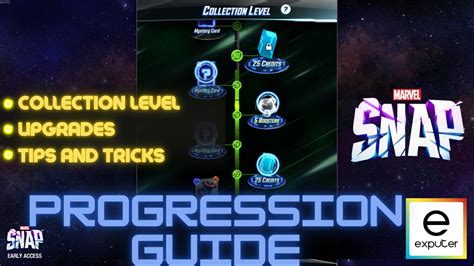
Second Dinner’s collectible card game, Marvel Snap, has been widely lauded for its innovative and fair monetization system. While new cards are released regularly, the game’s Collection Level road ensures a steady drip of new cards for all players. Season Passes offer a clear path to obtaining a specific new card and cosmetics, but the core card acquisition and progression system is designed to allow free players to build competitive decks through consistent play and strategic token usage, rather than relying on random pack openings.
Genshin Impact / Honkai: Star Rail
HoYoverse’s gacha behemoths, Genshin Impact and Honkai: Star Rail, operate on a gacha model, which can often be predatory. However, both games are remarkably generous with their premium currency, known as Primogems/Stellar Jades. These can be earned abundantly through exploration, quests, events, and daily commissions. This allows F2P players to ‘pull’ for new characters and weapons regularly. While spending can secure specific rare characters faster, the vast open-world exploration, compelling story content, and engaging combat mechanics are entirely free, offering hundreds of hours of high-quality gameplay without ever opening your wallet.

The Future of Fair Mobile Gaming
The existence of these games demonstrates that ethical monetization is not only possible but can lead to highly successful and critically acclaimed titles. Developers who prioritize player experience over aggressive tactics build more loyal communities and foster a healthier gaming environment. As players become more discerning, supporting games with fair monetization practices encourages the industry to move towards more respectful and sustainable F2P models, proving that fun and fairness can coexist on mobile.