Which microSD card offers best value for Switch game storage?
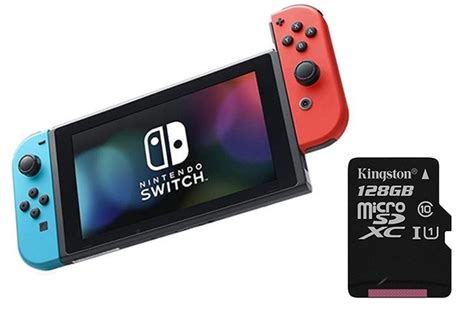
Why Your Nintendo Switch Needs Extra Storage
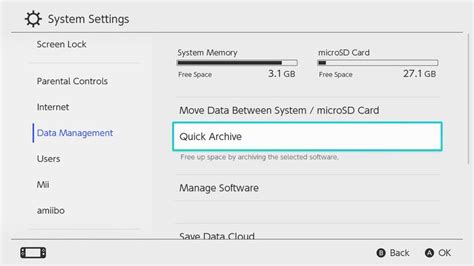
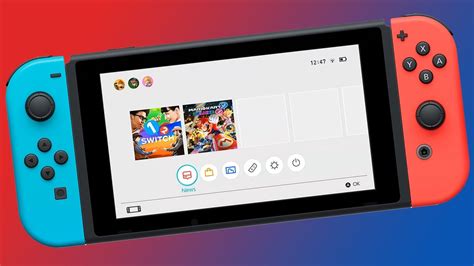
The Nintendo Switch, a marvel of portable gaming, comes with a rather modest 32GB (or 64GB for the OLED model) of internal storage. Given that many modern game titles can easily consume several gigabytes—and some even exceed 20GB—this internal space fills up quickly, especially if you prefer digital downloads. Investing in a microSD card is not just an upgrade; it’s practically a necessity for any serious Switch gamer looking to expand their game library without constant deletions.
But with countless options on the market, how do you pick a microSD card that offers the best value? It’s a balance of capacity, speed, brand reliability, and ultimately, price.
Understanding microSD Card Essentials for Switch
Capacity: How Much Do You Really Need?
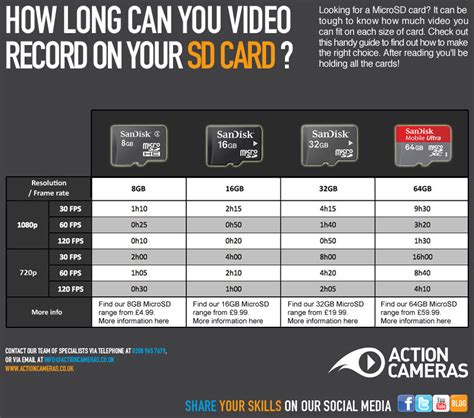
This is often the first consideration. Game sizes vary wildly. Indie titles might be under 1GB, while AAA blockbusters like The Legend of Zelda: Tears of the Kingdom can be over 18GB. Think about your gaming habits:
- Casual Gamer (Mostly Physical, Few Digital): 64GB-128GB might suffice for patches, DLC, and a handful of digital indies.
- Average Gamer (Mix of Physical and Digital): 256GB is an excellent sweet spot, offering plenty of room for a growing library without being overly expensive.
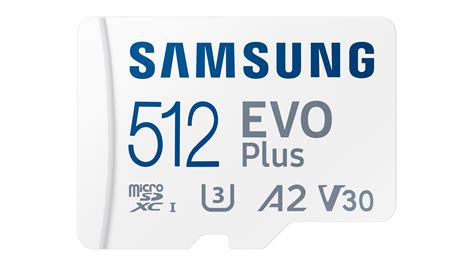
- Hardcore Digital Collector: 512GB or even 1TB will be necessary to house a large collection of digital titles. While 1TB offers the most space, its price-per-gigabyte often isn’t the best value compared to 256GB or 512GB.
Speed: What Matters for the Switch?
The Nintendo Switch supports UHS-I microSD cards, with a theoretical maximum read speed of 100MB/s. While there are faster UHS-II cards available, the Switch cannot take advantage of their increased speeds, meaning you’d be paying extra for performance you can’t utilize. Look for:
- UHS Speed Class 1 (U1) or Class 3 (U3): U3 offers higher minimum write speeds but U1 is generally fine for Switch games.
- Video Speed Class V10 or V30: Similar to U classes, V30 implies higher sustained write speeds.
- Application Performance Class A1 or A2: These ratings are important for applications (like games) as they indicate good random read/write performance. The Switch benefits from A1/A2, but the difference between A1 and A2 isn’t as pronounced on the Switch as it might be on a smartphone.
Ultimately, any reputable brand’s UHS-I U1/A1 or better card will perform well enough for the Switch. Don’t chase extreme speeds that the console can’t leverage.
The Sweet Spot: Recommended Capacities for Value
Based on a balance of price, capacity, and current game sizes, the 256GB and 512GB microSD cards currently offer the best value for most Switch owners.
- 256GB: Often the most cost-effective per gigabyte, providing ample space for dozens of digital games and DLC without needing frequent management. It’s perfect for the average to moderately serious gamer.
- 512GB: For those who buy many digital titles or want to future-proof their storage, 512GB has seen significant price drops, making it a strong contender for value, especially during sales. It’s ideal for collectors.
Top Contenders for Best Value Brands
When it comes to microSD cards, brand reliability is crucial. Stick to well-known manufacturers to avoid performance issues or data loss. Look out for these reputable brands, often found at competitive prices:
- SanDisk: The official Nintendo-licensed SanDisk cards are popular, but their standard SanDisk Ultra or Extreme lines (UHS-I A1) are just as compatible and often cheaper. They are known for reliability and good performance.
- Samsung EVO Select/Plus: Samsung’s EVO line offers excellent performance and reliability, often at very competitive prices. The EVO Select (Amazon exclusive) and EVO Plus are great choices.
- Lexar Play: Designed specifically for gaming and media, the Lexar Play line offers strong A1 or A2 performance at good value, particularly in higher capacities.
- PNY: Another reliable brand, PNY’s Elite-X or Pro Elite microSD cards are solid performers and often found at attractive price points.
Factors Beyond Price: Performance and Longevity
While price per gigabyte is a key indicator of value, don’t overlook performance and longevity. A card that fails prematurely or causes slow loading times isn’t a good value, no matter how cheap it was.
- Reliability: Stick to the brands mentioned above. Off-brand or suspiciously cheap cards often have fake capacities or poor performance.
- Warranty: Reputable brands typically offer a limited lifetime warranty for their microSD cards, providing peace of mind.
- Read/Write Speeds: For the Switch, aiming for a card with at least 90-100MB/s read speed and reasonable write speeds (e.g., 30MB/s+) is ideal. Most modern UHS-I U1/A1 cards from good brands meet this.
Making Your Decision
To determine the best value for your Switch, consider these questions:
- How many digital games do you own or plan to buy? This dictates your primary capacity need.
- Do you mostly buy physical cartridges? You’ll still need space for updates and DLC, but less than a digital-first player.
- What’s your budget? Set a realistic budget and look for the largest reputable brand card you can get within that range, focusing on the 256GB-512GB sweet spot.
Conclusion: The Best Value Pick
For the vast majority of Nintendo Switch owners, a 256GB microSD card from a reputable brand like SanDisk or Samsung offers the absolute best value. It provides a significant storage boost at an accessible price point, balancing capacity with performance without overspending on features the Switch can’t fully utilize. If you’re a serious digital collector and can catch a good sale, a 512GB card moves into the top value spot, ensuring you won’t have to worry about storage for years to come.