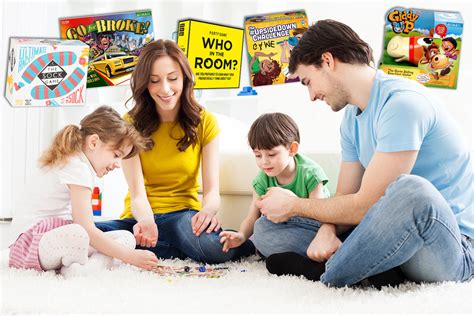
Which low-stress, truly cooperative family games handle wide age gaps (5-12) best?

Navigating Family Game Night: The Quest for Cooperative Fun Across Ages
Finding the perfect family game can be a delightful challenge, especially when you have a significant age gap to bridge. The ideal game needs to captivate a curious 5-year-old while still offering enough depth to engage a 12-year-old, all without inducing stress or cutthroat competition. The answer often lies in truly cooperative games, where everyone works together towards a common goal, making victories shared and losses lessons learned.
Cooperative games inherently promote teamwork, communication, and problem-solving without the pressure of individual competition. This makes them perfect for families looking to bond and have fun together, rather than create sibling rivalries. But which ones truly shine when dealing with a range from early elementary to pre-teen?

Key Ingredients for Successful Multi-Age Cooperative Play
Before diving into specific recommendations, let’s consider what makes a cooperative game truly excel with wide age gaps:
- Simple Core Rules, Deeper Strategy: The basic mechanics should be easy for the youngest player to grasp, but the game should offer strategic layers that older players can explore and lead.
- Shared Goal, Varied Contributions: Everyone should be working towards the same objective, but different players can contribute in ways appropriate to their age and skill level. Older kids might manage complex decisions, while younger ones might handle specific tasks or dice rolling.
- No Player Elimination: Crucial for keeping everyone engaged until the very end.
- Engaging Theme: A theme that appeals across the age range can draw everyone in.
Our Top Picks for Low-Stress, Cooperative Family Games (Ages 5-12)
1. Forbidden Island (and Forbidden Desert)
Why it works: In Forbidden Island, players work together as adventurers to collect four sacred treasures from a rapidly sinking island before it disappears forever. The rules are incredibly simple – move, shore up, collect treasure – making it accessible for a 5-year-old. However, the strategic decisions of where to move, which tiles to shore up, and when to use special abilities provide plenty of challenge and engagement for a 12-year-old. Each player has a unique role with a special power, encouraging teamwork and different contributions. Forbidden Desert offers a similar experience with added complexity for when you’re ready for a new challenge.

2. Flash Point: Fire Rescue
Why it works: This game puts players in the shoes of a firefighting team, rushing into a burning building to save victims and extinguish fires. The theme is immediately engaging for most kids. While there’s a fair amount of setup, the turn actions are straightforward: move, open doors, put out fire, save people. A 5-year-old can easily understand these actions and contribute by rolling dice or moving pieces, while older players can strategize on optimal victim rescue paths and fire containment. The variable family game rules can simplify it for younger players, making it truly adaptable.
3. Outfoxed!
Why it works: A delightful deduction game where players work together to figure out which fox stole Mrs. Plumpert’s pie before the culprit escapes. This game is fantastic for introducing basic logic and deduction skills. The youngest players can enjoy rolling the special dice and moving the fox, while older children can lead the deductive reasoning, asking strategic questions and narrowing down suspects. Everyone shares clues and contributes to solving the mystery, making it a genuinely cooperative effort.

4. Castle Panic
Why it works: In Castle Panic, players work together to defend their castle from an onslaught of invading monsters. It’s a cooperative tower defense game where everyone’s goal is to protect the castle’s walls and towers. The mechanics are simple: draw cards, play cards to hit monsters, and try to eliminate them before they destroy your castle. A 5-year-old can understand the basic concept of hitting a monster in a specific zone, while a 12-year-old can strategize about which monsters to prioritize and when to use special cards to maximum effect. The clear objective and shared threat make it a low-stress, high-fun cooperative experience.

5. Magic Maze Kids
Why it works: This is a brilliant adaptation of the award-winning Magic Maze, specifically designed for younger players. Players cooperatively guide heroes to find specific items in a maze. The unique twist is that each player can only perform a specific type of movement (e.g., only move North, or only move onto an ‘up’ arrow). Most notably, players cannot talk during the game, relying on visual cues and shared understanding – a surprisingly effective way to foster cooperation and non-verbal communication. It’s challenging but rewarding, and the simplified rules of the ‘Kids’ version make it perfect for the 5-12 age range, encouraging silent, focused teamwork.

Tips for a Harmonious Cooperative Game Night
- Embrace Guided Play: For younger children, don’t be afraid to gently guide their choices or explain options. The goal is fun and participation, not perfect strategy.
- Assign Age-Appropriate Roles: Let older kids take on more complex roles or manage inventory, while younger kids can be in charge of moving pieces or rolling dice.
- Focus on the Journey, Not Just the Win: Emphasize the collaborative problem-solving and shared experience, whether you win or lose.
- Adjust Rules if Needed: Don’t hesitate to house-rule something if it makes the game more enjoyable for your specific family dynamics.
Conclusion
Finding a game that genuinely engages a 5-year-old and a 12-year-old simultaneously is a triumph, and cooperative games are often the secret weapon. By choosing titles with simple core mechanics, engaging themes, and a focus on teamwork, you can ensure a low-stress and incredibly rewarding family game night. These games not only entertain but also subtly teach valuable lessons in communication, strategy, and mutual support, making every game night a truly cooperative success.