Which gacha mechanics signal a predatory F2P game to avoid?

Free-to-play (F2P) games, especially in the mobile market, heavily rely on monetization strategies to sustain development and operations. A cornerstone of this model is the gacha system, where players spend virtual or real currency for a random chance to acquire desirable in-game items, characters, or upgrades. While gacha can be a legitimate business model, certain implementations cross a line, becoming predatory and exploitative. Recognizing these red flags is crucial for players who want to enjoy games without falling into expensive traps.

Psychological Manipulation and Fear of Missing Out (FOMO)
One of the most common tactics predatory gacha games employ is leveraging psychological triggers. Limited-time banners and exclusive character releases are designed to create a sense of urgency. Players are often pressured to spend immediately, fearing they will miss out on a powerful or unique item that may never return, or at least not for a very long time. This artificial scarcity, combined with countdown timers and “only X hours left” notifications, preys on impulse control and can lead to irrational spending decisions. The constant rotation of new, highly desirable content ensures players feel perpetually behind if they don’t engage with the gacha.
Unfair Limited-Time Offers and “Whale Traps”
Beyond simple limited banners, some games present seemingly “great value” bundles that are still prohibitively expensive, targeting a small percentage of players willing to spend vast sums – known as “whales.” These offers might be presented as essential for progression, further blurring the line between optional purchase and necessary spend. The pricing often scales dramatically, with the best “value” appearing at the highest price tiers, encouraging players to spend more than they initially intended.

Obfuscation and Misleading Information
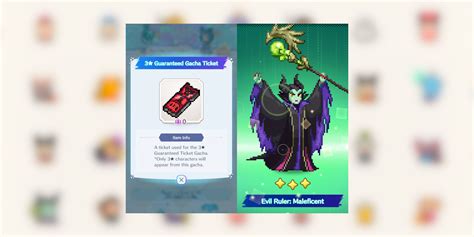
Transparency is key to a fair gacha system. Predatory games often obscure crucial information or present it in a confusing manner. Low drop rates are a hallmark of many gacha games, but predatory ones might hide these rates or make them extraordinarily low for the most coveted items, making success feel impossible without significant investment. “Pity” systems, which guarantee an item after a certain number of pulls, can also be misleading. Some games reset pity across different banners, require an exorbitant number of pulls, or only guarantee a random high-rarity item, not the specific one desired.
Layered RNG and Unnecessary Grind
Another common tactic is to introduce multiple layers of random chance. You might pull a character, but then need to gacha for their specific weapon, or even gacha for materials to upgrade that weapon. This multi-layered RNG means players have to “win” the gacha multiple times over for a single effective unit, exponentially increasing the potential cost. Combined with an intentionally slow and frustrating free progression path, this pushes players towards spending to alleviate the grind.
Pay-to-Win Walls and Progress Gates
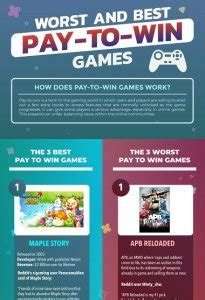
Many F2P games include elements that can be purchased to speed up progress, but predatory games erect hard “pay walls” that severely restrict or outright prevent progression without spending. This can manifest as an energy system that limits playtime unless topped up, or difficulty spikes in content that are nearly impossible to overcome with free-to-play characters or equipment, forcing players to pull from the gacha for stronger units.
Duplicate Systems (Constellations, Ascensions)
A particularly egregious mechanic involves requiring multiple copies of the same character or item to unlock their full potential. While one copy might be usable, subsequent copies (often called “constellations,” “ascensions,” or “limit breaks”) significantly boost their power, making them essential for high-end content. This means a player isn’t just trying to get one rare item, but potentially six or more copies, multiplying the cost and difficulty of fully utilizing a desired character.
Ethical Red Flags and Addictive Design
Beyond specific mechanics, the overall design philosophy can signal a predatory game. A lack of transparent communication from developers, constant nerfs to free-to-play options, or a community rife with complaints about unfair practices are all warning signs. Games that strongly resemble gambling, with flashy animations and immediate rewards for spending, are designed to trigger dopamine rushes and foster addictive behavior, especially in vulnerable individuals.
Ultimately, a healthy F2P gacha game offers value for money, respects player time, and provides clear odds. Predatory games, however, prioritize extracting maximum revenue through manipulative tactics, often at the expense of player enjoyment and financial well-being. By recognizing these red flags, players can make informed choices and avoid games that seek to exploit rather than entertain.